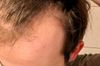
A woman who is experiencing Female Pattern Baldness and struggling to cope with it; she has tried a few treatments but is not satisfied with the results and feels like her femininity has been taken away from her. The conversation includes advice on possible treatments such as Minoxidil, Finasteride, RU58841, and lifestyle changes.
A 50-year-old male has been using 0.5mg oral finasteride, 5% topical minoxidil, and weekly microneedling to combat hairloss, seeing progress with new hair growth. He plans to continue this regimen and evaluate results after 12 months.
People discussed using finasteride, minoxidil, and dutasteride for hairloss, with mixed results and side effects. Some had positive outcomes, while others experienced issues like libido changes and chose alternatives like hair systems.
Exploring the idea of using facial hair properties for scalp regeneration in male pattern baldness, considering the potential of transferring androgen-resistant characteristics from facial hair to the scalp. Challenges include complexity, scalability, aesthetics, and safety, but the concept encourages innovative thinking beyond current treatments like Minoxidil, Finasteride, and hair transplants.
User has been using topical finasteride and minoxidil since May, previously used a spray version since January. They are seeing vellus hairs and have added weekly microneedling to their routine.
A 22-year-old male is experiencing hairloss and has been using topical minoxidil and anti-dandruff shampoo for six months without improvement. Suggestions include adding finasteride to the routine and considering treatments for potential scalp issues like seborrheic dermatitis.
A 19-year-old paused weightlifting due to hairloss concerns, using finasteride to improve hair condition. Others advised continuing gym workouts while using finasteride, as it doesn't harm hair, and emphasized focusing on fitness and confidence.
A 23-year-old is experiencing hairloss, primarily at the top middle of the head, and is considering finasteride but is hesitant due to potential side effects. Other users share their positive experiences with finasteride, suggesting it is worth trying, while also discussing the importance of researching and monitoring for any side effects.
A user had a hair transplant 16 years ago and lost hair after stopping finasteride. They're now using a combination of treatments including oral dutasteride, topical and oral minoxidil, Pyrilutamide, and microneedling, and have seen improved density but are unsure if it's enough to grow their hair out. They also had a bad experience with scalp micropigmentation (SMP) and are considering redoing it.
A 22-year-old is experiencing worsening hairloss despite using a doctor-prescribed serum and shampoo. They are seeking advice on additional treatments like Minoxidil, finasteride, or RU58841.
A 25-year-old male with androgenetic alopecia experienced improved hair condition after using finasteride, oral minoxidil, and dutasteride, but later faced diffuse thinning and texture deterioration after a shedding phase. Others suggest patience, continued treatment, and using ketoconazole shampoo, with some sharing similar experiences of post-shed thinning.
The conversation humorously discusses hairloss treatments, including minoxidil and finasteride, with a satirical suggestion of using fence castration as a natural finasteride for male deer. Participants joke about the side effects and effectiveness of these treatments.
The user is experiencing hairloss despite using finasteride three times a week due to side effects and is considering alternatives like topical finasteride, estrogen blockers, or dutasteride. They are also interested in potential treatments like GT20029 and pyrilutamide.
Minoxidil alone is not effective for significant hair regrowth; combining it with finasteride or dutasteride is necessary. Additional treatments like hair transplants, microneedling, or oral medications are recommended for better results.
A 25-year-old female is experiencing hairloss and has tried PRP, Minoxidil 5% with Biotin, and weekly needling sessions. Her doctor suggested switching to GFC treatment and stopping the needling sessions due to increased shedding, which may be caused by Minoxidil.
The conversation discusses hairloss treatments, specifically the use of anti-androgens like RU58841 and Pyrilutamide, which are expensive in India. Alternatives like spironolactone and concerns about the effectiveness of finasteride and dutasteride are also mentioned.
A 25-year-old male using Dutasteride, oral Minoxidil, and Ketoconazole shampoo is experiencing increased hair shedding and vellus hair growth along the hairline. Concerns are raised about whether this is a seasonal shed or a potential setback.
The user is experiencing diffuse hair thinning despite using finasteride and oral minoxidil, with no hairline recession or bald spots. Suggestions include checking for telogen effluvium, considering a JAK inhibitor for potential autoimmune issues, and conducting further tests to rule out other causes.
Minoxidil and finasteride effectively improve hairlines and reduce balding, though some users report side effects like reduced libido. Consistent use over 1-2 years leads to significant hair regrowth, with some users also using skincare and biotin for added benefits.
A 26-year-old male is using oral minoxidil and finasteride to treat hairloss, experiencing prolonged shedding despite 6 months of treatment. Others share similar experiences, suggesting persistence with the treatment may eventually lead to improvement.
A 24-year-old noticed hair thinning over 4-6 years and is seeking advice on whether it can be salvaged. Treatments mentioned include Minoxidil, finasteride, and RU58841.
The user plans to start hairloss treatment with minoxidil, finasteride, and microneedling, considering oral minoxidil to avoid affecting their cat. They are concerned about potential shedding and the impact of vaping on hairloss.
A user in their mid-30s experienced unexpected hairline regrowth after starting a new supplement stack, despite being on a regimen of finasteride, minoxidil, and Nizoral for over four years. The new supplements include Tongkat Ali, Fadogia Agrestis, Panax Red Ginseng, Vitamin B1, Vitamin D3, Zinc Picolinate, Magnesium Glycinate, Maca, and L-Citrulline.
The user reports losing a significant amount of hair when applying RU58841 and Minoxidil but loses much less hair when massaging or brushing without these treatments. They are concerned about the increased hairloss associated with these products.
A 22-year-old is experiencing aggressive hairloss despite using minoxidil and finasteride and is considering a hair transplant but lacks funds. The discussion includes advice on treatments like dutasteride, microneedling, and lifestyle changes, with mixed opinions on the timing and effectiveness of a transplant at a young age.
A 24-year-old with early hairloss is managing it with finasteride, minoxidil, and dutasteride, and is considering using a hair system for more styling options while maintaining transparency. They emphasize confidence and self-expression over hair, viewing it as an amplifier rather than a foundation.
The conversation discusses the challenges of maintaining a balding head, with some preferring to shave regularly and others choosing to embrace their hairloss. Specific treatments or concerns about hair transplants and societal perceptions of balding are also mentioned.
A 31-year-old man is experiencing hairloss, using minoxidil with mixed results, and has started finasteride. He is considering a hair transplant if these treatments are ineffective.