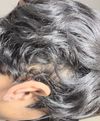
The conversation discusses interest in peptides for hair loss, specifically mentioning ahkCU and ghkCU. A user is considering adding ghkCU to their treatment regimen.
The conversation is about someone noticing increased nasal hair growth after using a combination of tretinoin and minoxidil for hair loss. They relate this effect to their grandfather's experience.
Baldness is not an evolutionary disadvantage because it occurs after reproductive age. Treatments like Minoxidil and Finasteride are used for androgenetic alopecia but don't address the root cause.
The user shared a positive update on their hair transplant journey one year after the procedure in Turkey, where they received 4,350 grafts. They started taking finasteride at the 6-month mark and also use biotin, B6, B12, and scalp oils to support hair growth.
The user experiences histamine intolerance with alcohol-based hair loss treatments like Rogaine foam and seeks alternatives. Suggestions include alcohol-free and PPG-free topical minoxidil or finasteride, and trying Spectral products with different solvents.
The user has been using oral Dutasteride, RU58841, and Minoxidil for three years without success and is considering adding topical Finasteride or Dutasteride to target DHT both locally and systemically. Other users suggest sticking to a consistent treatment plan, exploring different combinations, and considering other factors like potential misdiagnosis or inconsistent medication use.
Hair loss can begin in early adolescence and cause mental anguish. Treatments mentioned include eating cruciferous vegetables, engaging in physical activity, and maintaining scalp hygiene.
The post and conversation are about a user who made their own Platelet-Rich Plasma (PRP) for hair loss treatment at home, using their own blood and a centrifuge. The responses vary, with some users supporting the DIY approach to save money, others expressing concern about the safety and effectiveness of the method, and a few joking about the lengths people will go to combat hair loss.
A user started using homemade topical finasteride with PG-free liquid minoxidil for hair loss. They noticed the solution became milky with floaters and asked if it needed filtering.
The user is using oral minoxidil for hair loss and is considering trying Latisse on their hairline. They are also curious about the effects of latanoprost, caffeine, and melatonin topicals.
The user is exploring hair loss treatments and is interested in procyanidin B2 and annurca apples but has concerns about the effectiveness and availability of supplements. They cannot use Dutasteride or Finasteride and are considering Minoxidil with microneedling.
A 23-year-old Asian male shared progress pictures after 3 months of using minoxidil, microneedling for 1.5 years, and taking vitamin supplements. Replies suggest adding finasteride or dutasteride for long-term hair maintenance.
The conversation discusses alternatives to RU58841 for hair loss treatment, with suggestions including topical spironolactone, peppermint and rosemary oils, and saw palmetto. The user also considers ordering RU58841 from China but finds it too expensive.
The hair transplant at Eugenix in New Delhi resulted in poor density and texture, with only about 2,500 grafts surviving out of 4,500. The user is considering holding the clinic accountable and exploring options like shaving, using hair fibers, or seeking another transplant.
People are discussing JXL-069 (PP405) for hair loss, with some experimenting with a 0.05% topical gel. Concerns about safety and efficacy persist due to limited testing and lack of official approval.
A user shared their positive experience with a crown MicroFUE hair transplant at Boston Hair Restoration, highlighting the smooth procedure, minimal pain, and significant growth over 12 months. They used oral minoxidil, finasteride (transitioning to dutasteride), PRP sessions, and a LaserCap, achieving excellent results and full confidence.
The conversation warns against buying RU58841 from Amazon due to concerns about product authenticity and recommends purchasing from trusted sources like Minoxidilmax and Anageninc.
A 24-year-old woman with AGA and TE since age 14 is questioning if her hair is regrowing or breaking. She has been using minoxidil consistently since September 2025, along with caffeine and ketoconazole shampoos, rosemary oil, and saw palmetto, and has improved her overall hair care routine.
The conversation discusses hair loss treatments, specifically mentioning pyrilutamide, minoxidil, and finasteride. The consensus suggests starting treatment early, with finasteride being a preferred option.
A user shared their positive experience with a hair transplant in Patna, using 1800 grafts to enhance their hairline and temple points. The procedure cost around Rs 85K, and the user is pleased with the natural-looking results.
High cost of studying 3α-Hydroxysteroid dehydrogenase in hair loss led to suggestions of crowdfunding for research. Users discussed using Procyanidin B2/melatonin topical treatment and tracking funds with blockchain.
A user shared their positive experience with a 4750 graft hair transplant at Dr. Orçun Clinic in Istanbul, including a high-quality exosome treatment. Despite skepticism and accusations of advertising, the user expressed satisfaction with the natural-looking results and the doctor's personal involvement.
Hair multiplication or cloning is not available anywhere in the world. The conversation also mentions treatments like Minoxidil, finasteride, and RU58841 for hair loss.
The conversation is about a user's hair loss treatment routine, which includes RU58841 for 9 months and Dutasteride for 6 months, with other unspecified treatments considered extra. One user inquired about the source of RU58841.
Hair loss theory suggests imbalance between Vitamin D Receptor (VDR) and Androgen Receptor (AR) activation. Proposed treatment includes upregulating VDR, downregulating AR, and improving mitochondrial health.
The conversation is about comparing the effectiveness of fluridil and clascoterone in preventing hair loss and inquiring about their use as standalone treatments. There is a question about the concentration of the fluridil brand for efficacy.
A case study that suggests verteporfin may be able to help regrow donor hairs after FUE extraction, and the potential implications of this result. Treatments discussed include Minoxidil, Finasteride, and RU58841.
The conversation discusses the potential interest in non-natural colored wigs and the challenges of finding affordable, realistic wigs, especially for those experiencing hair loss. It also touches on the idea of restoring old human hair to make wigs more accessible and affordable.
The user has tried various hair loss treatments including minoxidil, finasteride, and others, experiencing side effects and is seeking recommendations for a knowledgeable doctor in the California Bay Area. They had a negative experience with one doctor and are considering a hair transplant but want to avoid further side effects.