User asks about Eucapil (fluridil) for hair loss, its effectiveness, safety, and where to buy in Australia. Others share experiences and purchase options.
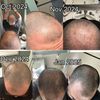
The user experienced significant hair regrowth using a combination of minoxidil, finasteride (later switching to dutasteride), and tretinoin over two years. They noticed regrowth almost immediately, with no major initial shedding phase, and reported recession and diffuse hair loss patterns.
A new hair loss treatment involving Keratin Microsphere Gel is discussed, with skepticism and jokes about its effectiveness and comparisons to other treatments. Users are doubtful and make light of the situation, referencing past disappointments and the study's focus on mice.
Cetirizine 10mg daily reduced hair shedding by 50% and lessened scalp itchiness. The user is considering long-term use for scalp inflammation and hair loss.
Taking dutasteride with a meal containing fat may improve absorption, but consistency in routine is more important than timing. Minor variations in absorption won't significantly affect efficacy due to dutasteride's long half-life.
A user found that taking Zyrtec (Cetirizine) and Advil helped reduce their scalp inflammation and pain, potentially creating a better environment for hair growth. They have not used any other medication for hair loss or scalp issues.
The potential health risks associated with long-term use of finasteride and dutasteride, with some responses pointing out the low quality of the journal that published the review article as well as highlighting other alternatives such as keto or minoxidil, and RU58841.
The conversation is about a 19-year-old female experiencing hair loss, potentially due to deficiencies in iron, ferritin, and vitamin D. She is considering iron and vitamin D supplementation and exploring dietary changes, while also planning to consult a dermatologist when possible.
The user believes Retrograde Alopecia may be linked to vitamin imbalances, specifically from taking too much Vitamin E, A, Zinc, and Selenium, and suggests it could be a middle ground between Androgenic Alopecia and Telogen Effluvium. Treatments for hair loss mentioned include Androgen inhibitors and improving lifestyle factors like nutrition and sleep, with topical melatonin also recommended for Retrograde Alopecia.
The user experienced hair thinning due to a testosterone spike and used a minoxidil solution and topical finasteride gel. After four months, the gel caused side effects without improving hair thinning, leading to questions about continuing or adjusting the treatment.
The user started taking 1 mg finasteride daily in September 2024 and began derma stamping twice a week, noticing progress initially but now experiencing increased scalp visibility. They are considering adding oral or topical minoxidil to their routine for further improvement.
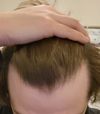
The user switched from finasteride to dutasteride due to hairline recession but noticed further hair loss and is seeking new dermatological advice. They are concerned about the effectiveness of dutasteride and are looking for help.
A 21-year-old is experiencing aggressive hair loss and dandruff, possibly due to seborrheic dermatitis, and is using pumpkin seed oil, scalp massages, and anti-dandruff shampoo as treatments. They are hesitant to use prescribed Finasteride and Minoxidil and have noticed some improvement after stopping Serenoa capsules.
A 12-year-old diagnosed with alopecia shares their experience and current treatments, including Dermovate, an unnamed cream, and liquid iron. The community offers support and encouragement.
The conversation is about identifying the cause of a burning red scalp from a topical hair loss formula. Retinoic acid and ethyl alcohol are suspected irritants, with retinoic acid being considered for removal.
The conversation discusses the potential of Sanguisorba Officinalis Root Extract as a treatment for hair loss by inhibiting FGF-5. The user also mentions the product évolis, which is based on this extract but is only available in the US and Australia.
A child accidentally took Avodart, leading to concerns about DHT suppression and its effects. Users humorously discuss potential consequences and treatments like DHT injections and topical solutions.
The user had been using Minoxidil and Dutasteride with micro-needling but experienced hair loss after switching Minoxidil brands. Their doctor prescribed oral Minoxidil and Tretinoin, but the pharmacist suggested isotretinoin might be a more cost-effective alternative.
The conversation discusses the use of RU58841 for hair loss, with concerns about its legality in Germany and potential legal consequences. Alternatives like finasteride and dutasteride are mentioned, with some users questioning the effectiveness and safety of RU58841.
An 18-year-old experienced chest pain, headaches, and vomiting after taking oral minoxidil for hair loss. They reduced the dosage, felt better, but experienced sharp chest pain again after increasing it, and are advised to stop the medication and see a doctor.
The conversation is about the difficulty in obtaining GT20029, a hair loss treatment, due to patent issues and the need to resort to group buys or Chinese labs for acquisition. Specific treatments mentioned include Minoxidil, finasteride, and RU58841.
At this point.
In this conversation, users discussed the risks of drinking topical minoxidil and suggested alternative treatments such as obtaining a prescription for oral minoxidil or finasteride.
The user stopped using finasteride and tried turmeric, ginger, and perilla extract to reduce hair shedding, noticing a significant decrease in hair loss. They experienced side effects like rashes and easy bleeding from perilla extract and softer feet, possibly from turmeric.
The user is experiencing diffuse thinning and inflammation despite using 2.5mg dutasteride daily, ciclopirox, and ketoconazole shampoos. They are considering treatments like hydroxychloroquine and JAK inhibitors due to suspected scarring alopecia and have faced challenges in obtaining a scalp biopsy.
A user received brand name Avodart instead of generic dutasteride for a lower price. Another user mentioned experiencing depression as a side effect but prefers having hair.
ET-02 showed significant hair growth in five weeks, outperforming minoxidil, with a non-hormonal mechanism that avoids side effects of treatments like finasteride. A phase 2 trial is planned to further assess ET-02's efficacy and safety.
The user is using a topical solution with finasteride, minoxidil, and retinoic acid, which causes scalp residue and dryness. They seek advice on removing residue and keeping the scalp moisturized.