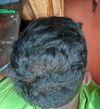
High dose niacin (1000mg daily) seems to have halted hair loss but did not regrow lost hair. The user plans to continue due to additional benefits like lower stress and higher good cholesterol.
A 21-year-old has been using 0.4mg finasteride and 1mg oral minoxidil (increased to 2mg) for 9 months with no noticeable hair growth and worsening hair condition. They are considering stopping finasteride due to side effects and are seeking advice on other treatments.
Excessive sugar consumption may contribute to male pattern hair loss by increasing androgen sensitivity and insulin resistance, but genetics play a significant role. Treatments like minoxidil and finasteride are suggested for managing hair loss, while reducing sugar intake and maintaining a healthy lifestyle may help mitigate its progression.
HairClone is developing cell replacement treatments to rejuvenate and generate hair follicles, and has launched a crowdfunding campaign. A user expressed skepticism about the need for crowdfunding.
The conversation discusses maintaining hair regrowth using minoxidil and finasteride and whether using gt20029, which degrades androgen receptors, would affect this. Fluridil, a similar treatment, can disable over 90% of active androgen receptors.
A user shared progress pictures showing improvement in PCOS-related hair loss after six months of using topical minoxidil, dermarolling 0.5mm weekly, and taking biotin gummies. They expressed happiness about the appearance of new baby hairs.
Hair regrowth treatments are effective in mice but not yet available for humans. The discussion humorously highlights frustration over this disparity and mentions a project to genetically modify elephants to resemble mammoths.
The user experienced regrowth and stabilization in hair density using finasteride, minoxidil, a derma roller, and an LLLT helmet, but noticed a recent decline in hair quality. They only take finasteride orally and are unsure about the effectiveness of the LLLT device.
The conversation discusses updates on hair loss treatments, specifically GT20029, PP405, and a rumored injectable peptide from UT. GT20029 is seen as a promising treatment expected within 5-7 years.
OP is unsure if their hair is improving or worsening despite using Topical Fin, Pyri, Keto Shampoo, TGel, Microneedling, and Tretinoin. A user suggests switching to oral Fin and Minoxidil.
The conversation discusses the potential of Replicel/Shiseido treatment for hair loss, questioning its effectiveness, whether it grows new follicles, and its market release timeline. It also compares Replicel to other competitors like Kyocera/RIKEN/Tsuji.
The user has been treating hair loss for a year using Hims topical finasteride/minoxidil, derma stamping, and RU58841, with plans to continue and hopes for more significant results. They have noticed some small hair growth at the temples and will provide updates on their progress.
RU58841 is discussed as a hair loss treatment, with concerns about its effectiveness diminishing after two years due to androgen receptor upregulation. The user is hesitant to start using it, fearing it may worsen their condition over time.
The user is concerned about the quick prescription process for hair loss treatments like Minoxidil and Finasteride through HIMs, questioning the lack of a thorough evaluation. Another user reassures that such practices are common, emphasizing the effectiveness and low risk of these treatments, and suggests monitoring personal response to the medication.
Hair cloning claims by Dr. Gho are widely considered a scam, with skepticism about the effectiveness of his hair stem cell transplantation. Users suggest that if it were effective, wealthy individuals would opt for it over traditional methods like FUE transplants.
Diffuse hair loss is often linked to genetics but can also be due to health issues like thyroid problems and low vitamin or iron levels. Treatments include finasteride, minoxidil, and dutasteride, with some seeing improvements after addressing health issues.
A Phase II clinical trial for TDM-105795 has started recruiting in the US, and it might be a promising treatment for hair loss. Many hair loss drugs, including this one, originate from China.
User stopped using minoxidil due to no growth and greasiness, but experienced hair regrowth after starting HRT with spironolactone and finasteride. Shared before and after photos, showing improvement in hair thickness.
The user has tried various treatments for hair loss, including finasteride, dutasteride, and oral minoxidil, but is considering a hair transplant due to insufficient progress. Some users suggest that the treatments have at least stabilized hair loss, and recommend consulting clinics for a potential hair transplant while continuing medication.
The user experienced a receding hairline and tried minoxidil, which may have slowed the process but caused puffy eyes. They are hesitant to use finasteride and suspect oily dandruff might be an aggravator.
A woman is frustrated with her hair loss and the slow, ineffective healthcare system in Canada. She has tried treatments like minoxidil, doxycycline, and kenalog injections, but continues to experience painful inflammation and hair loss.
An 18-year-old experiencing diffuse hair thinning since 8th grade seeks advice. They are concerned about having less hair than their 52-year-old father and are looking for treatment options.
Hair follicle regenerative therapy is being developed, with clinical trials planned in Japan, potentially allowing for hair cloning and eliminating the need for treatments like finasteride. If successful, the treatment could be available in Japan by 2025, but widespread access and affordability may take longer.
A user shared impressive hair regrowth results after six months of using 1 mg oral finasteride daily, 2 ml topical minoxidil 5%, ketoconazole shampoo, and vitamin D and iron supplements. The user reported no side effects and attributed the success to a combination of treatments for androgenetic alopecia and iron deficiency.
A 19-year-old male experienced significant hair loss, initially thought to be male pattern baldness (MPB), and used minoxidil and briefly finasteride. After realizing the issue was telogen effluvium (TE), he improved his diet and supplemented with vitamins, which led to substantial hair regrowth.
The conversation is about someone's three-year experience with irregular derma rolling, Minoxidil, and Redensyl for hair loss, hoping to thicken areas with fine hair.
A man in his twenties with hereditary hair loss has been using 5% Minoxidil, a derma roller, Vitamin D3, and recently started Finasteride, noticing baby hairs and some improvement. Users encourage him, noting good progress and potential for further improvement.
The user is seeking help with using Ell-Cranell for hair loss treatment. They are unsure about the correct application method and dosage. They also inquire about combining microneedling with topical alfatradiol and question a study that referred to alfatradiol as a hair growth inhibitor in male mice.
A user shared their 5-month progress in treating hair loss using HIMs topical finasteride and minoxidil, micro-needling with a 1.5mm needle, and RU-58841. The post includes progress pictures showing improvement from a NW7 hair loss stage.