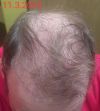
The conversation is about using finasteride and KX826 for hair loss treatment. The original poster is using 0.25 mg of finasteride every other day due to side effects at a higher dose.
A 43-year-old experienced gynecomastia after 20 years of taking dutasteride and 7.5mg oral minoxidil. Suggestions include consulting an endocrinologist, checking hormones, and considering Nolvadex or DIM supplements.
The user plans to improve hair density using Koshine, Avodart (1.5-2.5mg daily), and 5mg OM daily. They previously used finasteride, minoxidil, dutasteride, and fluridil with some improvement.
The user experienced hair regrowth using finasteride, minoxidil, biotin, and vitamins, along with exercise and a healthier diet. They reported no side effects from the treatments.
The user experienced positive hair regrowth using 1mg oral finasteride daily, Nizoral 2% shampoo every three days, and dermastamping, without adding minoxidil due to satisfaction with current results. Initial side effects like erectile dysfunction and dry eyes resolved over time.
The user has been using finasteride 0.1% and minoxidil 5% for hair loss with some regrowth but seeks improvement. Suggestions include increasing finasteride dosage, using dutasteride, adding dermarolling, or switching to oral medication.
The user started finasteride and minoxidil in December, increased the dosage after a few months, and noticed improvements around months 6 to 8 despite initial shedding. They experienced no side effects from finasteride but had to adjust minoxidil due to palpitations.
Minoxidil helped with temple regrowth, and finasteride improved overall hair appearance and stopped further hair loss. Minoxidil was also applied to eyebrows and eyelids, with noticeable gains, but was stopped on the beard due to bloating.
The user discusses using finasteride (1mg every other day) and topical minoxidil once a day for hair regrowth over 90 days. They are inquiring about the effectiveness of this treatment for hair regrowth.
The conversation discusses the use of topical finasteride and minoxidil for hair loss and inquires about the effectiveness of adding RU58841. Participants share experiences and opinions on the potential benefits of including RU58841 in their treatment regimen.
A user is considering a hair loss treatment lotion containing minoxidil, adenosine, caffeine, melatonin, and azelaic acid, questioning the interaction between caffeine and adenosine receptors. Another user suggests adding a topical anti-DHT ingredient like spironolactone, noting it should not be taken orally by men.
The conversation discusses a hair loss regimen involving finasteride, dutasteride, minoxidil, RU58841, and various supplements like biotin, omega-3, vitamin D3, zinc, and magnesium. The user also uses dermastamping and topicals like ketoconazole and diclofenac, with mixed opinions on zinc's effect on hair loss.
The user is experiencing progress in hair growth using 0.5mg Finasteride, 5mg Minoxidil, and 1mg Biotin daily but is also developing gynecomastia. They plan to continue the treatment for six months unless the side effects worsen.
Corticosterone inhibits GAS6, affecting hair follicle stem-cell activity, with potential implications for stress-related hair loss. Ashwagandha and Vitamin K are suggested for reducing cortisol, but their effectiveness is debated.
The user is experiencing sleep issues after starting finasteride for hair loss and is considering using magnesium or melatonin to improve sleep. Other users suggest that sleep disturbances are a common side effect initially, but may improve over time.
A 31-year-old man successfully used oral minoxidil and finasteride for hair regrowth over eight years, experiencing minimal side effects like initial shedding and increased body hair. He credits these medications for preserving his hair despite a family history of baldness.
A user increased their finasteride dosage from 0.5 mg to 1 mg due to ongoing hair miniaturization, despite some improvement. They are considering dutasteride and have not used minoxidil, but are cautious about potential side effects.
The conversation discusses hair loss treatments, specifically mentioning Minoxidil, finasteride, and RU58841. It also touches on a study involving zinc and L-arginine.
The user is using Minoxidil, RU58841, CB-03-01, WAY-316606, Ketoconazole, MK-677, and derma stamping to treat hair loss and has noticed new hair growth, especially around the temples and hairline. They apply different treatments at various times of the day and have seen improvements in skin condition and body hair texture.
Dr. Muñoz's discovery suggests that targeting potassium channels in fibroblasts could reactivate hair growth, offering new treatment possibilities for alopecia. Potential strategies include using minoxidil, diazoxide, and other potassium channel openers, as well as bioelectric devices and direct growth factor applications.
A user experienced hair thinning and increased shedding after starting a high-dose B-complex supplement while using Minoxidil and RU58841. They are seeking advice on whether others have had similar issues with high doses of Vitamin B3 and B5.
The user experienced tiny vellus hairs from 0.5mg finasteride and 2.5mg minoxidil over 9 months. Topical minoxidil, alfatradiol, and RU58841 applied twice daily for 1.5 months significantly improved temple hair regrowth.
The post discusses the experiences of individuals with diffuse hair thinning using finasteride, with many reporting no improvement or worsening conditions after 6 months. Various suggestions include persisting with the treatment, checking for underlying conditions, adding minoxidil for volume, adjusting dosage, and considering other potential causes like autoimmune responses and inflammation.
The conversation is about a 23-year-old man's positive experience with hair regrowth using oral finasteride (1mg daily) and topical minoxidil (twice daily), with initial side effects including zero libido and watery semen that resolved except for the semen consistency. He also used dermarolling initially but stopped due to brittleness.
The conversation discusses hair regrowth using dutasteride and oral minoxidil, with the user reporting significant improvement in hair volume after combining these treatments. Some side effects mentioned include changes in libido and increased facial hair, but overall, the user is satisfied with the results.
A 26-year-old male started treatment with 1 mg finasteride and 2.5 mg oral minoxidil on September 25. By November, he noticed significant hair regrowth with no major side effects, except increased hair growth in other areas.
A user experienced heart problems after taking 1mg finasteride and 2.5mg oral minoxidil and is considering quitting minoxidil. Others discussed their experiences with heart issues and minoxidil, with some suggesting topical minoxidil as a safer alternative.
A 27-year-old male with ADHD is experiencing hair thinning and is starting a treatment with topical finasteride (0.025%) and minoxidil (5%). He is addressing high prolactin levels and low vitamin D, while managing side effects from ADHD medication.
The conversation is about the availability of the research chemical GT20029 for hair loss treatment and when companies like Anageninc will have it. Specific treatments mentioned include Minoxidil, Finasteride, and RU58841.