Search
for
Sort by
Community Join
480-510 / 1000+ resultscommunity Gartanin Degrades dht receptor found in mangosteen fruit. Gonna buy the raw powder mix it with castor oil and filter out the rest. And apply topically.
The conversation discusses using gartanin from mangosteen mixed with castor oil to degrade the androgen receptor for hair loss treatment. Alternatives like setipiprant, minoxidil, and dermastamping are also mentioned, with concerns about cost and potential side effects.
community Ru + glycerin making scalp greasy . help !!
The user is experiencing a greasy and dandruff-prone scalp from using RU58841 with glycerin and is seeking alternative carriers for seborrheic dermatitis. They are also using dutasteride 0.5mg.
community Currently participating in the Extended Phase III clinical trial of Pyrilutamid in China
A user from China is participating in a clinical trial for Pyrilutamid, a potential hair loss treatment originally developed for prostate cancer. They've experienced no side effects except initial scalp itchiness, and will share results after the year-long trial.
community Koshine 826 (Pyrilutamide). Any results after 5 months since it's been released?
Koshine 826 (Pyrilutamide) has mixed reviews, with some users experiencing side effects like insomnia and others seeing minimal results. Concerns about the company's transparency and lack of progress photos are noted.
community Ghk-cu + c60 + saw palmetto oil
The conversation discusses using GHK-Cu, C60, and saw palmetto oil as treatments for hair loss. Specific treatments mentioned include Minoxidil (Min), Finasteride (Fin), and RU58841 (RU).
community Latanoprost shed - anyone have experience?
The user started using topical latanoprost and dutasteride, experiencing significant hair shedding and scalp itchiness, possibly due to an allergic reaction. They are considering stopping the treatment if the shedding is linked to an allergy.
community New Study: PP405, developed by Pelage Pharmaceuticals, can reactivate dormant hair follicle stem cells and stimulate natural hair growth by 20%
PP405, developed by Pelage Pharmaceuticals, can reactivate dormant hair follicle stem cells and increase hair growth by 20% in eight weeks, unlike minoxidil or finasteride. However, skepticism remains about its effectiveness and availability, with concerns about funding and the timeline for broader access.
community Clascoterone 5% Delivers Strong Phase 3 Hair-Growth Results
Clascoterone 5% solution shows strong potential for hair growth, offering a new treatment for alopecia with minimal side effects. It blocks androgen receptors locally and may be available by late 2026 or early 2027.
community Are we still getting the PP405 phase 2a results by the end of March?
People are discussing the anticipated release of PP405 phase 2a results, expected by the end of March, with some skepticism about its effectiveness. There is cautious optimism due to past experiences with similar treatments like Breezula, despite concerns about the lack of presentation at the AAD 2026 conference.
community Looking for Latanoprost sources EU
The user has been using MinoxidilMax Latanoprost 0.01% and noticed an increase in hair density after years of stability on finasteride and minoxidil. They are seeking help to find a higher dosage of Latanoprost or a reliable source to purchase the powder to make their own, without a prescription or high cost.
community PP405 (JXL069) Is Confirmed: Here’s Everything I’ve Learned After a Year of Testing
community Forgotten Hair Loss Peptide by L'Oreal: KPV
KPV, a peptide patented by L'Oreal, may promote hair growth and reduce hair loss by extending the anagen phase and has anti-inflammatory properties. It could be combined with treatments like minoxidil for enhanced effects.
community 4 months of AGA therapy Finasterdie 1,25 EOD and Regaine
A 30-year-old with Norwood 3V hair loss uses finasteride 1.25 mg every other day and Minoxidil (Regaine 5%) twice daily, experiencing no side effects with the current regimen. The front hairline remains unchanged, but the crown appears better in certain lighting.
community About Pyrilutamide Phase II US Trial
The conversation discusses the comparison of Pyrilutamide Phase II US trial results with 1 mg finasteride for hair loss treatment. It mentions that the total hair count increase in the US trial was not as good as the China trial.
community Six month update: .5mg Dut, Min 5% foam, Olly hair gummies (all once daily)
The user experienced significant hair regrowth and increased density after six months of using 0.5mg Dutasteride, 5% Minoxidil foam, and Olly hair gummies daily. The user plans to discontinue the gummies, believing the medications are primarily responsible for the improvement.
community PP405 is a game changer. One for the history books. Era defining moment and Pelage know it
PP405 is considered a potential new treatment for hair loss, compared to finasteride and minoxidil. There is skepticism about its effectiveness in humans, with anticipation for more information from an upcoming conference.
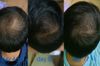
community 2 months progress on fin 1mg
User shared progress pictures after 2 months of using 1mg finasteride for hair loss. They are seeking feedback on any improvement.
community 3 Month Mark Update, Fin 1mg/Min 2ml ED
community It's amazing how fast Pelage are going through the trials for PP405. From phase 1 to phase 3 in just 3 years is incredible. It has to be the fastest in history
PP405 is progressing rapidly through trials, with mixed opinions on its potential effectiveness. Current treatments like minoxidil and finasteride are still widely discussed, with some users reporting positive results from new formulations.
community Molecule PP405: A Research Team Backed By Google Ventures Has Discovered One Of The Most Promising Solutions For Hair Loss To Date
PP405 is a promising new treatment for hair loss that activates dormant stem cells in hair follicles, potentially bypassing the effects of DHT. It is currently in phase 2 trials and could be available between 2027 and 2030, but it is not considered a definitive cure.
community Anyone try GHK-Cu ?
GHK-Cu is discussed for its potential anti-aging and healing properties, with some users considering its effects on hair growth. One user mentions using Folligen Spray and topical finasteride, noting improved healing but uncertain hair growth results.
community My progress on 1.5 mg fin daily
community 2-Deoxy-D-Ribose official Product
2-Deoxy-D-Ribose is discussed as a potential hair loss treatment, but skepticism exists due to lack of human testing. The original poster uses a combination of topical Minoxidil, oral Finasteride, topical RU58841, and other treatments, reporting some hair regrowth but not significant results.
community IGFBP‐rP1 is a potential therapeutic target in androgenic alopecia
IGFBP‐rP1 shows potential for treating androgenic alopecia by influencing hair cycle transitions. Increasing IGF-1 levels may have similar effects to Minoxidil and 5-AR inhibitors in reducing hair loss.
community fluridil (topilutamide) vs. cb-03-01 (clascoterone)
The conversation is about comparing the effectiveness of fluridil and clascoterone in preventing hair loss and inquiring about their use as standalone treatments. There is a question about the concentration of the fluridil brand for efficacy.
community Does anyone know the chemical formula for pelage pp405?
The conversation discusses the lack of public information on the chemical structure of PP405, a hair loss treatment, and the challenges of synthesizing it without a patent. It also explores a patent related to hydrogen-based topical formulations for reducing oxidative stress and inflammation.
community redensyl - follicle stem cell activator any experiences?
A Swiss product called Redensyl, which is supposed to target hair follicle stem cells and has recently been marketed in Europe. The post inquires if anyone has had any experience with the product.
community Where to get ru58841 in middle Europe?
community Ggs in the chat. ✌🏼 A year and a half on it.
The user has been using finasteride 1mg daily, oral minoxidil 5mg daily, and microneedling weekly, experiencing initial side effects like ball pain and weaker erections, which resolved over time. They reported improved hair density after 7 months and recommend adding derma stamping to the routine for better results.