Search
for
Sort by
Community Join
570-600 / 1000+ resultscommunity 1064 Grafts, Pre to Mo 8.5, Kaan Pekiner
A user shared an 8.5-month update on their hair transplant of 1064 grafts done by Dr. Kaan Pekiner in Ankara, Turkey, costing $3500. They are also using finasteride 2.25 mg weekly and have reduced shampoo use.
community Counter-update: Cbum's transplant DOESNT look super good now
Cbum's hair transplant is criticized for looking unnatural and not blending well, with some suggesting better results were expected given his resources. Discussions also cover the effects of steroids and finasteride on hair loss and muscle growth.
community Fuzzy weird hair in the front, seasonal shedding
A 22-year-old is experiencing hair loss, particularly fuzzy hair in the front, and is concerned about male pattern baldness. Treatments mentioned include Propecia (finasteride), minoxidil, PRP treatments, dermarolling, peppermint oil, and apple cider vinegar.
community Starting losing my hair at 20 then did Scalp micropigmentation at 30 Best thing I ever did
Hair loss treatments, specifically Scalp Micropigmentation and potentially Minoxidil, Finasteride, or RU58841.
community I have this tingling sensation on my scalp (mainly crown)
The conversation is about a user experiencing a tingling sensation and redness on their scalp, possibly related to hair loss treatments. Suggestions include using Nizoral shampoo and consulting a dermatologist, while the user mentions using oral finasteride.
community Silicon Valley backed company aims to cure hair loss
A Silicon Valley-backed company aims to cure hair loss. Exciting advancements include mRNA therapies, gene editing, hair cloning, AR degraders, anti-androgens, cell-based rejuvenation, and AI-based drug discovery, with hopes for FDA approval of GT20029 within 10 years.
community Hair restoration : Minox + Fin
community any experiences with ghk-cu for hair loss?
GHK-Cu is discussed for hair loss treatment, with some users reporting positive results using a 4% topical serum, but concerns exist about the long-term safety of oral or injectable forms. The original poster also uses finasteride and plans to start dutasteride.
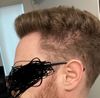
community What kind of balding is this?
A 34-year-old male is experiencing hair loss on the sides of his head, with inflammation and itchiness, while the top remains thick. He is using topical dutasteride and keto shampoo to address the issue.
community Hairloss has made me unrecognisable
community How finasteride lowers brain's happiness steroid allopregnanolone and causes depression: systemic dihydroprogesterone crosses blood brain barrier, you don't even need finasteride and brain 5ar for that
Finasteride may lower allopregnanolone levels, potentially affecting mood, but many users report improved mental health due to reduced hair loss. Experiences with finasteride and dutasteride vary, with some experiencing side effects and others finding them beneficial for hair retention and overall happiness.
community Pelage, PP405, is creating a database for potential new trial volunteers
PP405 is a new hair loss treatment targeting dormant hair follicles, with ongoing trials. Some users consider stopping finasteride and minoxidil to join trials, while others doubt its effectiveness.
community As step up from scalp micro pigmentation
The conversation is about someone using finasteride and minoxidil along with microneedling as a treatment for hair loss, and there's a mention of scalp tattooing as an alternative or additional approach. Some responses mock the approach, while others inquire about the specifics of the treatment and its effectiveness.
community Hair transplanting pubes and ass hairs: Pros and cons
Transplanting pubic and butt hair to the head is discussed humorously, highlighting pros like DHT resistance and cons like poor blending and appearance. Users joke about using treatments like Minoxidil, Finasteride, and RU58841 on unconventional donor areas.
community GFC vs PRP with mesotherapy vs exosomes
A 23-year-old male has been experiencing hair loss since 2022 and has used minoxidil and dutasteride with reduced shedding but no hair regrowth. He is considering PRP with mesotherapy and red light therapy, GFC, or exosomes, with a preference for exosomes due to efficiency and a reputable clinic.
community My slick bald temples ( for about 7-8 years ) FIN MIN KETO MICRONEEDLING 2 months +
A user sharing their progress after using Fin, Minoxidil, keto diet, and microneedling for two months to attempt to regrow hair on bald temples. Other users replied with advice and support.
community 5 Month Hair Transplant Update (3153 grafts at HLC Turkey)
community Just a friendly reminder for all! PSA
Avoid burning or scarring the scalp for hair growth; instead, use treatments like finasteride, minoxidil, or consider a hair transplant. Microneedling should be done carefully, and extreme methods can cause harm.
community Is the “crunching” sound during microneedling my scalp actually the needles cutting through hair?
The "crunching" sound during microneedling is likely the needles penetrating the scalp's outer layers, not cutting hair. Users suggest using a derma stamp instead of a roller to avoid potential hair damage.
community Finally did my hairline transplant at 21
community 2450 grafts FUE hair transplant. Dr.ko from Newhair Institute, Korea. 1 year result
community Early 2 month progress microneedling + nizoral 2% only
community My 4100 grafts hair transplant surgery update
community Anyone has experienced Collagen Synthesis with min ? (wrinkles, dark circles...)
Minoxidil may cause wrinkles and dark circles, which some users report can be mitigated by adjusting dosage. Reactions vary, and while some dismiss these side effects, others experience significant changes.
community 25M - 3500~ Graft Hair Transplant Results - 8 Months Later - 2nd HT?
A 25-year-old man had a 3500 graft hair transplant on the frontal region and is happy with the results after 8 months. He has been on minoxidil and finasteride, switched to dutasteride, added ketoconazole shampoo for seborrheic dermatitis, and is considering a second transplant for the mid scalp/crown.
community Lion Mane Part 2: Microneedling with Topicals, beneficial compounds, maybe?
The conversation discusses microneedling techniques and the use of Minoxidil, copper peptides, EGF, FGF, ceramides, and hydration serums to enhance hair growth. It explores optimizing scalp conditions and the potential benefits of various compounds in conjunction with microneedling.
community 24M: Should I Get a Transplant Now or Wait? Clinic Tips Needed in Puglia
A 24-year-old is seeking advice on whether to get a hair transplant now or wait until age 25, and is asking for clinic recommendations in Puglia, Brindisi, Albania, Türkiye, or Naples.
community looking for a pure high molecular weight hyaluronic acid for scalp after microneedling
The conversation is about finding a pure high molecular weight hyaluronic acid for the scalp after microneedling. A user suggests using a product from The Ordinary.
community STUDY: NAD⁺ Precursors + EGCG Increased Hair Density
NAD⁺ precursors and EGCG may increase hair density, but users report mixed results with no significant hair gains. Some users suggest combining these with finasteride or dutasteride for better results.