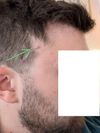
The user is discussing hair regrowth after 3.5 months of using finasteride, questioning if the new growth is baby hairs. They compare photos from December to the present to assess progress.
The conversation is about hair shedding experienced while using finasteride (fin) for hair loss treatment. Users discuss their experiences with finasteride, minoxidil (min), and other treatments, noting that shedding is often a sign that the treatment is working.
A user shared their 3.5-4 month progress using Topical Minoxidil, Oral Finasteride, Keto 1%, and Dermastamp, reporting positive results despite some shedding and flaking. Replies praised the progress and inquired about the treatment routine and temple condition.
A 19-year-old is experiencing early hair loss, possibly due to oily skin, stress, poor diet, and lack of sleep. They have tried ketoconazole shampoo without success and plan to visit a dermatologist for further advice.
MCL-1 is important for hair follicle stem cell survival, but its impact on human hair regrowth is unclear. Minoxidil and finasteride are the main treatments, with doubts about new discoveries leading to effective human solutions soon.
A new alcohol-free, propylene glycol-free topical finasteride foam is available for prescription in Canada and the USA, offering a cleaner alternative for hair loss treatment. The product also offers a combination of 0.1% finasteride with 5% minoxidil and aims to be affordable and less irritating for sensitive scalps.
The user has been using topical minoxidil and dutasteride but is experiencing significant hair shedding, including smaller hairs. They are concerned if this shedding indicates the treatment is working.
The conversation discusses skepticism about the effectiveness of scalp tension theory and scalp massagers for hair regrowth, contrasting it with treatments like finasteride and minoxidil, which have more user-reported results. Participants question the belief in scalp tension theory, suggesting it may be a marketing tactic, while others argue for a multifactorial approach to hair loss.
The user reintroduced RU58841 and noticed increased shedding and visible thinning. They have also been using dutasteride and oral minoxidil for 2 years.
Stem cell-related treatments and drugs like RCGD423 and WAY are being tested for hair growth. Clinics are conducting tests on patients who haven't had previous treatments.
The conversation discusses hair color change and shedding, questioning if it's due to Telogen Effluvium or Androgenetic Alopecia (AGA). Treatments mentioned include Minoxidil, finasteride, and RU58841.
The conversation discusses the availability of Breezula, a drug for hair loss, now being sold as an acne treatment, and whether it can be applied to the scalp. Users express skepticism about new hair loss treatments and suggest waiting for FDA approval.
Silk pillowcases reduce hair breakage and shedding by causing less friction, making hair appear healthier. They don't prevent hair loss but improve hair condition and comfort.
Increased scalp itching during shedding phases while on finasteride treatment may coincide with hair regrowth and recovery. This suggests that itching might not always indicate continued hair loss and could encourage persistence with the treatment.
Serum DHT is mostly inactive; sebum DHT is a better measure for hair loss. Users discuss using finasteride, dutasteride, and topical treatments like KX826 and RU58841 for better scalp DHT suppression.
A new hair loss treatment involving Keratin Microsphere Gel is discussed, with skepticism and jokes about its effectiveness and comparisons to other treatments. Users are doubtful and make light of the situation, referencing past disappointments and the study's focus on mice.
The conversation discusses a small patch of missing hair and whether treatments like Minoxidil, finasteride, or RU58841 could help. The user is seeking advice on addressing this specific hair issue.
A user is developing a tool to track hair density, aiming to help those using treatments like minoxidil. They seek feedback on the tool's usefulness and are considering a low-cost model to cover expenses.
A sugar gel was claimed to trigger hair regrowth, but users reported no results and potential cancer risks. The discussion included comparisons to minoxidil and skepticism about the effectiveness of the sugar treatment.
The conversation is about finding a clearnet vendor for clascoterone, also known as Winlevi, for hair loss treatment. The user is seeking recommendations via direct message.
Hair loss discussion with a focus on a single resilient hair, jokingly called "chad hair," that remains despite hairline receding. Some users suggest microneedling and hair follicle cloning as potential treatments.
The conversation is about experiencing hyper-trichosis from taking oral Castor Oil. The user reports increased hair growth on the stomach and legs but is not concerned as it is harmless and will stop when the treatment stops.
The user is using oral minoxidil for hair growth and is considering adding topical latanoprost, but is concerned about potential eye color change. They are seeking advice on the effectiveness of latanoprost for hair thickening and the risk of eye color change.
The conversation discusses obtaining tretinoin without a prescription in Europe and its use to enhance minoxidil absorption for hair loss treatment. Users share sources, experiences, and application methods for tretinoin, with some noting side effects like increased shedding.
IGFBP‐rP1 shows potential for treating androgenic alopecia by influencing hair cycle transitions. Increasing IGF-1 levels may have similar effects to Minoxidil and 5-AR inhibitors in reducing hair loss.