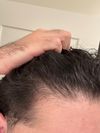
A female experienced hair loss due to low iron and an undiagnosed thyroid issue, specifically Hashimoto's, and saw improvement after starting thyroid medication, iron supplements, and making lifestyle changes. She emphasizes the importance of addressing the root cause and shares her journey to regrowth and emotional recovery.
The user increased their steroid dosage and noticed hair shedding, so they adjusted their regimen by reducing steroid doses and adding oral dutasteride. They are also experimenting with combining RU-58841 and KX-826/pyrilutamide in minoxidil to address hair loss.
The user experienced significant hair regrowth using finasteride, minoxidil, and microneedling, but saw a decline after reducing treatments and stopping gym workouts. They plan to restart microneedling and consider a hair transplant in the future.
The user experienced positive scalp results with Dutasteride but noticed beard thinning, prompting a switch back to Finasteride. They plan to monitor the situation and may consider combining treatments in the future.
A user reports improved hair thickness and regrowth after three months of using oral minoxidil, topical minoxidil, dutasteride, microneedling, biotin gummies, and ketoconazole shampoo, with no side effects so far. Another user shares a similar regimen, switching from finasteride to dutasteride due to continued hairline recession.
Breezula shows promise in stabilizing hair loss and potentially promoting regrowth at the one-year mark, offering hope for those who can't tolerate 5AR inhibitors. Its local targeting of androgen receptors could be a significant advancement if it avoids systemic side effects.
A user shared their 3.5-4 month progress using Topical Minoxidil, Oral Finasteride, Keto 1%, and Dermastamp, reporting positive results despite some shedding and flaking. Replies praised the progress and inquired about the treatment routine and temple condition.
A user experienced significant hair improvement using oral finasteride for six months, adding microneedling and switching to non-sulfate shampoo. They managed side effects by working out and noticed no negative impact on libido.
The user noticed increased hair loss over the past three years and is seeking advice. A suggestion was made to consult a dermatologist or trichologist and consider blood tests, particularly for vitamin D levels, to address potential androgenetic alopecia (AGA).
Fatty acid metabolic signaling can activate epithelial stem cells for hair regeneration. Oleic and palmitoleic acids showed the best results, but practical application on humans remains uncertain.
Transgender hormone therapy, including Estradiol Valerate, Spironolactone, and Progesterone Micronized, can reverse male pattern baldness and improve hair health. The user shares their positive experience with hair regrowth after transitioning from male to female.
The post and conversation are about the role of the enzyme 3alpha-hydroxysteroid reductase in hair loss and the potential of compounds like procyanidin B2 and sulforaphane to boost its activity for hair regrowth. Further research is needed to develop effective treatments based on this theory.
The user experienced significant hair regrowth using a treatment regimen including finasteride, oral and topical minoxidil, RU58841, red light therapy, microneedling, and various supplements. They switched from dutasteride to finasteride due to side effects and reported improved results and well-being.
The user switched from finasteride to dutasteride for hair loss treatment, but experienced increased libido, itchy scalp, and accelerated hair loss. Another user suggested that genetic variations might cause dutasteride to be less effective and recommended checking for specific genetic markers.
The conversation discusses using topical liposomal finasteride for hair loss, with concerns about high DHT levels. The user's DHT level is above the normal range, which may affect hair health.
2% fucoidan alleviated AGA symptoms, promoted hair growth, and increased hair density in mice. Fucoidan is considered safe for humans as a supplement and topical skincare product, with potential therapeutic effects against AGA.
Switching from finasteride to dutasteride led to significant hair regrowth and thickening for the user, who also uses ketoconazole shampoo. The user experienced increased libido and encourages others not to be discouraged by negative opinions about dutasteride.
The conversation is about hair regrowth or miniaturization after two months of using minoxidil and spironolactone. Specific treatments mentioned are minoxidil and spironolactone.
The user experienced hair shedding after increasing minoxidil from 5% to 7% with latanoprost, possibly causing telogen effluvium. They are on HRT with Lupron, Estradiol, and Raloxifene, and are concerned about the shedding's duration.
Fluridil degrades androgen receptors, which are prevalent in the scalp and other tissues. People with androgenetic alopecia (AGA) may have higher expression of these receptors and 5AR activity in affected scalp areas.
The user experienced hair improvement over a year using finasteride, topical minoxidil, tretinoin, ketoconazole, and microneedling. The hair density and hairline have strengthened with this routine.
A woman with hair loss discovered she has thyroid cancer, which was found during an MRI and confirmed with an ultrasound. She advises others with symptoms to see a doctor and shares that her cancer was detected after her dog sniffed her neck and she experienced neck pain.
The user experienced significant hair regrowth using finasteride (1.25mg daily) and minoxidil (topical and oral) with occasional microneedling. They noted increased libido as a side effect during the first six months.
Hair regrowth progress after two months using oral finasteride, oral minoxidil, biotin, and vitamins. Significant improvement with new hair growth and reduced shedding.
Switching from finasteride to dutasteride for hair loss can cause increased shedding, which may indicate the treatment is working by replacing old hairs with new ones. The original poster is experiencing aggressive hair thinning despite long-term treatment.
Finasteride increased testosterone and estrogen, stopped hair loss, and promoted regrowth. Users discussed side effects like libido changes and considered adding minoxidil and aromatase inhibitors.
A 31-year-old has been using finasteride, dutasteride, and oral minoxidil for hair loss. They noticed a sudden triangular thinning patch on their scalp and are seeking advice, questioning if it could be medication-related.
Clascoterone in Winlevi, a topical AR antagonist, is being re-examined due to concerns about HPA axis suppression in adolescents, but it's unlikely to be banned for adult use in androgenetic alopecia (AGA). The European Medicines Agency recommended refusing Winlevi for acne vulgaris, but this may not affect Breezula's approval for AGA.
A 28-year-old shared surprising hair regrowth progress after 20 days using topical minoxidil, micro needling, GHK-cu, and BPC-157 injections. The user noted a significant reduction in their bald spot and overall hair improvement.