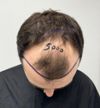
Botox may help with hair loss by reducing muscle tension and inflammation, potentially lowering DHT levels. Regular sessions might be needed, and it could also help with migraines.
ABS-201, a prolactin receptor blocker, shows promise in reversing hair loss and graying, with early success in macaques. Current treatments like finasteride, minoxidil, and RU58841 are still widely used, but new options like PP405 are eagerly anticipated.
The conversation is about the delay in Breezula's phase 3 trials and skepticism regarding its effectiveness compared to other treatments like RU58841 and Pyrilutamide. Some users prefer safety over effectiveness, while others express frustration with the slow progress and doubt Breezula will be a significant treatment for hair loss.
A 23-year-old male is worried about potential hair loss and is considering finasteride but is concerned about side effects. He received reassurance from a doctor that he might not be balding and plans to confirm with a specialist.
The conversation discusses the potential of Sanguisorba Officinalis Root Extract as a treatment for hair loss by inhibiting FGF-5. The user also mentions the product évolis, which is based on this extract but is only available in the US and Australia.
The user Consistent-Gene1334 shared their positive results in regrowing hair by using topical minoxidil and oral finasteride. Other users in the conversation praised the results and discussed the effectiveness of these treatments for diffuse thinning.
A 22-year-old is planning a hair transplant for the end of 2027 and is currently using finasteride, switching to dutasteride soon, and taking oral minoxidil to stabilize hair loss. They are seeking advice on candidacy and the number of grafts needed.
Biotin is being misleadingly marketed as a primary treatment for androgenic alopecia, overshadowing more effective treatments like finasteride and minoxidil. There is a call for increased awareness and accountability to prevent misinformation.
The post and conversation are about skepticism towards a new hair loss treatment containing 2-deoxy-D-ribose, copper peptides, and exosomes, with concerns about the legitimacy of the product and its website. The treatment's effectiveness and authenticity are questioned due to lack of testing and transparency.
A 24-year-old male experienced significant hair regrowth after 14 months of treatment with 0.5mg dutasteride and 5mg minoxidil, with no side effects reported. He plans to consider a hair transplant for his hairline, as the treatment did not improve that area.
The user is likely at Norwood 4 and is advised to use oral finasteride and topical minoxidil, with the option of a hair transplant after two years for a better hairline. Finasteride and minoxidil are considered sufficient to maintain and slightly improve current hair.
The conversation discusses androgenetic alopecia (AGA) and questions why treatments focus on lowering DHT levels instead of building resistance to it. It also touches on hair transplantation techniques using body hair.
Clascoterone is a topical treatment for androgenetic alopecia, showing modest to moderate hair regrowth, and may be available by 2027-2028. It is considered safer than finasteride, with discussions on its effectiveness compared to RU58841 and pyrilutamide.
A 34-year-old underwent a hair transplant with 5,250 grafts, stem cell therapy, and PRP at Dr. Hakan Clinic in Istanbul, without using Minoxidil or Finasteride. Despite initial concerns about the hairline design, the user is optimistic about the results and plans to update progress over time.
The user experienced significant hair regrowth using a combination of minoxidil, finasteride, various serums, and micro-needling, leading to increased confidence and consideration of a hair transplant. Despite initial baldness due to past health issues, the user is pleased with the progress and continues to use treatments like Pilgrim, Md Hair, Bodywise Roller, and Bouf serums.
A 12-year-old diagnosed with alopecia shares their experience and current treatments, including Dermovate, an unnamed cream, and liquid iron. The community offers support and encouragement.
A 26-year-old man embraced baldness, gaining confidence and personal growth, and encourages self-acceptance. Others discussed hair loss treatments like Minoxidil and finasteride, but he did not use them.
An 18-year-old is experiencing worsening hair loss, feeling isolated, and considering treatments like Minoxidil and finasteride. Others suggest seeing a dermatologist to determine the cause and potential treatments.
New hair loss treatments like GT20029, Clascoterone, and PP405 are being discussed, with concerns about how to apply multiple topicals alongside existing treatments like minoxidil and finasteride. Suggestions include creating a routine, mixing treatments, or minimizing redundancy in treatment stacks.
The user has been using finasteride and minoxidil for hair regrowth, with positive results, and recently added daily broccoli consumption, noticing improved hair thickness. Another user suggests that leg exercise, not broccoli, might be contributing to the hair improvement.
2-deoxy-D-ribose, a sugar molecule, is found to be 80%-90% as effective as Minoxidil in promoting hair growth, showing potential for alopecia treatment. Concerns include high cost, lack of human studies, and possible side effects like diarrhea and nausea.
The user underwent a second hair transplant for the crown and mid-scalp, achieving good density. They are using minoxidil, finasteride, and biotin, and considering PRP treatments to enhance growth.
The conversation humorously critiques hair loss treatments and the subreddit r/tressless. It mentions Minoxidil and finasteride as common treatments, with users reacting to a satirical roast by ChatGPT.
A user shared impressive progress at 4 months post-hair transplant with 5120 grafts by Dr. Ahmet Yildirim in Istanbul. The user expressed satisfaction with the results, which exceeded expectations.
The conversation is about a 21-year-old seeking advice on managing hair loss, considering options like shaving, hair implants, or using treatments like finasteride and minoxidil. The user is concerned about self-image and the social implications of being bald at a young age.
Scientists discovered a new T cell treatment that could regrow hair. Users are skeptical but hopeful, with some relying on finasteride and minoxidil in the meantime.
A user shared their hair restoration journey after a botched transplant, highlighting successful results with 8000 grafts and 5mg oral minoxidil, while choosing not to use finasteride due to potential side effects. The user reported no side effects from minoxidil, except for extra body hair, and expressed satisfaction with the current results.
A human trial of verteporfin, a drug that can inhibit wound healing by scarring and promote regeneration of original tissue and hair follicles to provide an unlimited source for hair transplants; people discussed the potential of this drug and how it could be rolled out in mainstream with more doctors getting on board.
Clascoterone lotion, being tested in Germany, is as effective as Minoxidil and Finasteride for hair loss but without serious side effects. About 400 men participated in the trials.
A user who underwent a hair transplant in Istanbul to reduce balding, and the discussion of various treatments such as finasteride and growth hormone for preventing further hair loss.