The conversation discusses using RU58841, topical finasteride/minoxidil, MK677, and microneedling as treatments for hair loss. MK677 is mentioned as a growth hormone that improves hair health and recovery from microneedling.
This post and conversation are about the molecular mechanisms triggered by microneedling, specifically its effects on inflammation, tissue remodeling, epithelial proliferation, differentiation, and collagen synthesis. The discussion highlights the potential benefits of microneedling for hair loss treatment.
A 40+ year old is regrowing their hairline using microneedling, minoxidil, tretinoin, low-level laser therapy, massages, and Nizoral, without using finasteride or dutasteride. They noted progress in hair growth below a birthmark, an area that hadn't seen growth since their teenage years.
The conversation discusses using 1.5mm microneedling to improve responses to Minoxidil for hair loss. One user humorously suggests more aggressive microneedling.
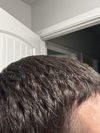
The user is discussing hair regrowth after 7 months of using topical minoxidil and RU58841, with some microneedling. They are hesitant to switch to finasteride or dutasteride and are seeking input on whether there is new growth or just more miniaturization.
A user shared their positive experience with a hair transplant in Patna, using 1800 grafts to enhance their hairline and temple points. The procedure cost around Rs 85K, and the user is pleased with the natural-looking results.
A user shared progress pictures showing hairline improvement after 2 years of using topical Minoxidil, 1mg oral Finasteride, and sporadic microneedling. Another user praised the progress and shared mutual encouragement.
Microneedling is effective for hair growth, especially when combined with finasteride and minoxidil, but concerns exist about potential long-term skin damage. Users report increased collagen and elastin deposition, but the long-term effects on the scalp remain uncertain.
The conversation discusses using microneedling with copper peptides, specifically GHK-Cu, for hair loss treatment. Some users combine it with minoxidil and topical finasteride, applying peptides either topically or through injection.
GT20029 shows promise as a topical treatment for hair loss, potentially replacing finasteride for some due to its low systemic exposure and ability to degrade androgen receptors. However, skepticism remains about its long-term efficacy and availability, with some users expressing doubt about new treatments consistently failing to reach the market.
The user started using Minoxidil and finasteride for hair loss, noticing some progress after six months, despite a recent shedding phase. They also use derma stamping and various topical products, though their effectiveness is uncertain.
User shares 6.5 months of progress using topical finasteride 0.1% and minoxidil 10%, along with lasercomb, dermaroller, Nizoral, scalp massager, and biotin. They seek feedback on their results.
The user has been using a hair solution with 0.3% finasteride and 5% minoxidil, along with microneedling, but is experiencing more thinning on one side. Suggestions include checking application techniques and ensuring microneedling is not overdone.
The conversation is about a user's 17-month progress in treating hair loss using finasteride, minoxidil, occasional 0.5mm microneedling, and Nizoral. The user reports significant hairline recovery and aims to achieve a pre-hair loss hairline within the next 6 months.
The conversation discusses the potential of a new hair loss treatment, GT20029, which targets androgen receptors in the scalp and is in phase 1 trials in China. Users express hope that this treatment will be more effective than current options like Minoxidil and Finasteride.
The user experienced noticeable hairline regrowth after starting finasteride for crown hair loss, despite scalp irritation from topical minoxidil. They are impatient for crown results.
The user shared progress pictures after using topical minoxidil for 8 months and topical finasteride for 5 months, along with other treatments like tretinoin cream, microneedling, and specialized shampoos. They are seeking feedback on their hair regrowth progress and are concerned about reaching a plateau.
A user shared their 3-month progress using RU58841, 10% minoxidil, and microneedling every two weeks for hair loss. They found the new minoxidil sprayer effective for applying the treatment across the scalp.
A 28-year-old male is happy with his hair regrowth on the crown after using topical Minoxidil 5% and Finasteride 0.25% once daily, micro needling weekly, and Nizoral shampoo once a week. He has experienced no significant side effects, and his hair has become darker and thicker, with improvements in his hairline.
Stopping microneedling may result in losing hair gains, as it enhances the effectiveness of treatments like minoxidil. Combining microneedling with minoxidil and finasteride is more effective than using microneedling alone.
Microneedling can cause sneezing and eye tearing due to nerve stimulation, particularly near the temples and forehead. Some users find it lessens over time, while others prefer using finasteride and minoxidil for hair growth.
The user experienced hair regrowth and stabilization at Norwood 2 using natural remedies like pumpkin seed oil, rosemary oil, vitamins, and scalp massages, avoiding minoxidil and finasteride due to side effects. Another user suggested starting topical finasteride earlier to prevent further hair loss.
A user made a 70/30 ethanol/propylene glycol topical finasteride solution but noticed chunks at the bottom. The discussion focuses on this issue with the DIY hair loss treatment.
After 8 months of using topical finasteride and minoxidil, along with derma rolling twice a week with 1mm needles, significant hair regrowth was achieved. The user applies two drops of finasteride daily and distributes it with fingers.
Microneedling may have benefits for hair loss even if only using oral finasteride without minoxidil. The effectiveness of microneedling without minoxidil is debated.