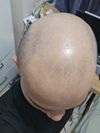
A 33-year-old man experienced diffuse thinning and hair shedding due to sleep deprivation and low testosterone. After starting hCG treatment, he noticed hair regrowth on his temples.
A user increased their dutasteride dosage from 0.5mg to 1mg daily, resulting in a rise in DHT levels from 148 pg/mL to 281 pg/mL, and is considering switching back to finasteride due to continued hair loss. Replies suggest retesting and emphasize the importance of bloodwork before starting treatments.
Microneedling combined with latanoprost may convert vellus hairs to transitional or terminal hairs. The user suggests using oral minoxidil to increase vellus hair, then applying a high concentration of latanoprost with microneedling for conversion.
The user is increasing their oral minoxidil dosage from 2.5mg to 5mg after using 1mg finasteride and topical minoxidil foam for over three years without desired results. They have also been microneedling and using tretinoin cream, recently increasing the tretinoin dosage to 0.1%.
High dose niacin (1000mg daily) seems to have halted hair loss but did not regrow lost hair. The user plans to continue due to additional benefits like lower stress and higher good cholesterol.
A 30-year-old male has been on finasteride/dutasteride for 3 years, with stable but still receding hairline, and blood tests showing high total testosterone but normal DHT and free testosterone levels. Despite challenges in gaining muscle, he maintains a good physique with a consistent lifting routine and recently improved results with creatine.
The conversation discusses the idea of creating finasteride gummies for hair loss treatment, with some users expressing skepticism about their effectiveness compared to pills. Concerns include the potential for reduced drug delivery in gummy form and the risk of children mistaking them for candy.
The conversation humorously discusses using off-label drugs like Minoxidil, finasteride, and RU58841 for hair growth. It jokes about the brain absorbing these treatments for maximum keratin production.
A 25-year-old male is concerned about his blood test results, particularly the low percentage of free testosterone, and is questioning whether starting finasteride for hair loss might worsen this issue. He also notes a slight vitamin D deficiency and lack of sleep before the test.
The user added topical minoxidil to their finasteride regimen, resulting in healthier hair and some regrowth, especially after quitting nicotine. They experienced minimal shedding and noted improvements in hairline density, finding the treatment mostly preventative.
The user experienced rapid hair thinning on top of the head after two GFC treatments, despite using topical minoxidil for four years. Hair on the sides and back became thicker, leading to confusion and questioning of the treatment decision.
A new therapy aimed at destroying DHT receptors in the scalp is still in early trials and may take at least 5 years to become available. A sugar-like solution similar to Minoxidil is also in early testing stages and not yet commercialized.
Oral supplementation of Nicotinamide Mononucleotide (NMN) improves hair quality and appearance in middle-aged women. However, it may reduce total hair density, possibly due to seasonal shedding.
The user is asking if they are seeing hair regrowth after using 0.05% tretinoin, minoxidil, 1.25mg finasteride, weekly dermarolling, and ketoconazole three times a week. They are seeking feedback on their routine.
The conversation is about a user seeking advice on adding GHK-Cu to RU58841 for hair loss treatment, while already using oral minoxidil, dutasteride, ketoconazole shampoo, and considering LLLT. They are unsure about the concentration and carrier solution for GHK-Cu.
A 29-year-old considering hair loss treatment received advice to explore a theory on androgenic/anabolic balance and was encouraged to read a beginner's guide for better recovery chances. The user expressed gratitude and willingness to try the suggested approach.
The user is experiencing scalp itching from a PG ethanol base in their hair loss treatment, which includes 0.025% finasteride and 2.5% minoxidil, and is seeking alternatives without PG or ethanol. Suggestions include Zeuss non-PG foam and Ulo, which do not use PG or hydrocortisone.
The conversation discusses potential new treatments for androgenetic alopecia (AGA), including verteporfin, pyrilutamide, and hair cloning. There is optimism about scientific advancements providing alternatives to minoxidil and finasteride.
A user reports high DHT levels despite taking finasteride and is concerned about inconsistent blood test results. They also take modafinil, vitamin D, and magnesium supplements.
Oral PTD-DBM was discussed as a potential hair loss treatment, but it was deemed ineffective in humans despite promising results in mice. The conversation concluded that trying it without VPA might be unwise.
A user experienced hair loss after taking chromium and alpha lipoic acid supplements but stopped shedding after discontinuing them. They noticed thinning around the temples and started dermarolling.
An 18-year-old is using a high-dose treatment for hair loss, including 2.5 mg dutasteride, topical minoxidil, and injectable GHK-Cu, despite minimal hair loss. Many users suggest reducing the dutasteride dose due to potential side effects and recommend starting with finasteride instead.
Fatty acid metabolic signaling can activate epithelial stem cells for hair regeneration. Oleic and palmitoleic acids showed the best results, but practical application on humans remains uncertain.
Oral minoxidil at 0.625mg/day caused dizziness, heart thumping, and fatigue. The user is concerned if these side effects will subside or indicate unsuitability for the medication.
New product Tomorrowlabs HSF targets hair loss through HIF pathway indirectly by removing scalp iron. Minoxidil and Stemoxydine also relate to HIF pathway.
Clascoterone is promising for hair loss, showing 24.5% improvement in satisfaction compared to placebo. Users consider it an alternative to finasteride, with concerns about absorption and side effects.
The user experienced significant hair regrowth using 1mg oral finasteride, DIM, and beetroot powder, while also focusing on gut health and reducing alcohol intake. Other users discussed the importance of iodine, fermented foods, and maintaining a balanced diet for overall health and hair improvement.
A user discusses using tazarotene to enhance minoxidil's effectiveness for hair regrowth, believing it will make a significant difference. Others caution about potential risks of retinoids accelerating hair loss in some individuals.
The conversation discusses increasing the dose of oral minoxidil from 2.5mg to 5mg for better hair density, with concerns about potential side effects like heart rate changes and fluid retention. Users suggest consulting a doctor, considering individual tolerance, and exploring other treatments like dutasteride.
A user experienced high estrogen levels after 10 months of taking 1mg oral finasteride but is happy with hair regrowth. They are considering switching to topical finasteride and are also taking DIM and Zinc supplements.