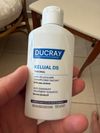
The user is considering using dutasteride or finasteride for hair loss and has recurrent folliculitis. Another user suggests treating the folliculitis and notes diffuse thinning.
User discusses group buy for finerenone, a third-gen mineralocorticoid antagonist for hair loss treatment. Finerenone inhibits TGFb, NOX, and ROS, and improves renal and cardiac function; topical dose should be no more than 10mg per day.
The conversation discusses the potential of a new hair loss treatment, GT20029, which may prevent hair loss by destroying androgen receptors on the scalp. Users express hope for the treatment's success and speculate on its usage routine, effectiveness, and possible side effects.
A 36-year-old man with androgenetic alopecia suspects copper and zinc deficiencies may be accelerating hair loss and is supplementing copper to address this. He is also monitoring blood sugar levels due to previous prediabetes concerns and plans to test for insulin resistance.
Isoflavones from soybeans may help limit estrogen's effects on the body, potentially preventing gyno. However, surgery is the only way to remove gland enlargement.
A 27-year-old male with diffuse hair loss, including the donor area, did not respond to finasteride, dutasteride, or minoxidil. He suspects his hair loss may be linked to a mild connective tissue disorder, possibly affecting the structural support of hair follicles, rather than being purely hormonal.
User wants to try procyanidin b2 and broccoli sprouts sulforaphane for hair loss and asks for supplement suggestions. Replies suggest taking fin by asteride and growing sprouts in mason jars to eat raw.
Kevin Mann avoids dutasteride because it comes in gelatin capsules, which he avoids as a vegan, and he is satisfied with finasteride's results. He prefers finasteride due to more long-term research and follows the principle of "if it ain't broke, don't fix it."
The conversation discusses the approval of Kintor Pharmaceutical's AR-PROTAC (GT20029) for clinical trials in China for acne and androgenic alopecia. One user expresses optimism about new treatments being developed and seeks clarification on how the new drug works, specifically if it temporarily degrades the AR protein to reduce DHT sensitivity in hair follicles.
The conversation discusses updates on hair loss treatments, specifically GT20029, PP405, and a rumored injectable peptide from UT. GT20029 is seen as a promising treatment expected within 5-7 years.
The user has been experiencing diffuse hair thinning despite using finasteride, minoxidil, dermarolling, clobetasol cream, and PRP sessions. They seek advice on additional treatments and are advised to check vitamin D, iron, and thyroid levels.
The conversation is about the anticipated release date of phase II results for a hair loss treatment called GT20029 and the cautious optimism surrounding it due to past disappointments with similar treatments. Users expect an update in the next few months.
Astaxanthin (ASX) is highlighted as a promising supplement for treating hair loss due to its antioxidant properties. It may help with inflammation and oxidative stress, which are linked to hair loss and aging.
The conversation discusses the differences between KB solution and PG + Ethanol solution for RU58841 in treating hair loss. It compares the effectiveness and properties of these two solutions.
The conversation discusses purchasing experimental hair loss treatments KX-826, AHK-Cu, and PTD-DBM, with the user already using Minoxidil and having side effects from Finasteride. Concerns about the legitimacy of certain suppliers and the authenticity of products like pp405 are also mentioned.
The user experienced significant hair regrowth using 1mg oral finasteride, DIM, and beetroot powder, while also focusing on gut health and reducing alcohol intake. Other users discussed the importance of iodine, fermented foods, and maintaining a balanced diet for overall health and hair improvement.
RU58841, an anti-androgenic compound, showed early promise for treating alopecia but faced challenges after its patent in 1997. Despite advancing to Phase II trials, safety concerns and financial struggles led Aventis to abandon its development. Proskelia, which later merged into ProStrakan, couldn't prioritize the drug, leading to its eventual stagnation and failure to reach the market.
A user is experiencing severe hair loss, diagnosed with seborrheic dermatitis, and is using Ketoconazole and beclomethasone. They are concerned about potential female pattern baldness and are seeking reassurance and advice.
A user is seeking a Minoxidil solution without coconut derivatives due to a coconut allergy and is considering DIY options from pure Minoxidil tablets. They mention that Rogaine contains glycerin and cetyl alcohol, which are derived from coconut.
The conversation is about the best vehicle for RU58841, comparing trichosol and Garnier/Vichy Stemoxydine, avoiding propylene glycol (PG) or ethanol due to previous scalp damage. The user is also seeking sources for these products in the EU.
A user with frizzy transplanted hair is considering a keratin treatment after 10 months and is concerned about its safety and potential to accelerate hair loss or cause telogen effluvium. They are seeking advice on whether it is safe to proceed with the treatment.
The conversation discusses sourcing pure latanoprost from the gray market for research and making a homemade solution. Concerns about potential dangers and experiences with this method are raised.
Whey protein and BCAAs may increase testosterone levels, potentially accelerating hair loss, but opinions vary on their impact. Some users suggest monitoring diet and hair health, while others believe the effect is minimal compared to DHT's role in balding.
GT20029 and KX826 are promising hair loss treatments, with GT20029 increasing hair count and KX826 showing significant results. KX826 may be a good alternative for those who can't use finasteride or dutasteride, though results vary.
The user is allergic to minoxidil and experienced severe itching and redness. They are considering alternatives like finasteride, dutasteride, and dermarolling for hair loss treatment.
User experienced severe allergic reactions and liver issues after a hair transplant, likely due to antibiotics and medications. Despite trying Minoxidil, the user faced further complications and is now seeking medical advice for potential future transplants.
A user ordered RU58841 from a Chinese supplier, found it to be less than 99% pure, and plans to try a different seller next time. Concerns were raised about impurities, but the user believes they are likely inactive fillers rather than harmful substances.
A user started using RU58841 for hair loss and experienced anxiety and physical discomfort. Other users suggested avoiding the treatment due to similar side effects and recommended alternative treatments like pyri.
Creatine may affect hair loss by reducing PGE2 levels, which could influence hair growth. The discussion highlights the need for more research on this potential mechanism.
A group buy for hair loss treatments including Harmine 19a, TM5614, Abiraterone Acetate, and others. A compound, BMS-202, that can potentially reverse gray hair is also mentioned.