Search
for
Sort by
Community Join
780-810 / 1000+ resultscommunity Dr. Gabel Doesn't Use Verteporfin
Dr. Gabel doesn't use Verteporfin because it's not FDA approved. The user is getting FUT and wants to minimize scarring and maximize hair regrowth.
community 3 year fin/min progress (age 27-age 30)
A user shared their 3-year progress using 1mg finasteride and 5% topical minoxidil twice daily, reporting significant hair regrowth and some side effects like bloating, seborrheic dermatitis, and water retention. The user is happy with the results, noting improvements in both the crown and hairline.
community October 2023 - February 2024 progress
The user shared a four-month hair growth progress using 1mg finasteride daily, 2.5mg oral minoxidil daily, and Hims thick fix shampoo every other day. Replies include comments on photo quality and lighting, a joke about the frequency of Hims product mentions, and the original poster humorously wishing for a Hims sponsorship.
community I created a video that breaksdown everything there is too know about GT20029
The conversation discusses a video about GT20029, a treatment for hair loss, and its comparison to KX826. Users express interest in the video's effectiveness and potential, and praise its informative content.
community DIY Minoxidil mix with Fin, Caffeine, Cetirizine, and Melatonin?
A user plans to create a custom topical solution by adding finasteride, caffeine, cetirizine, and melatonin to a minoxidil bottle, questioning the stability and effectiveness of this mix. Concerns include potential crystallization and solution muddiness with added ingredients.
community Persistence is KEY - stick to the basics and be patient.
A 34-year-old male shares his hair regrowth journey using Minoxidil Max Dual Gen with topical finasteride, hair oil, derma rolling, and nizoral shampoo, emphasizing persistence and consistency. Despite some skepticism about lighting and treatment effectiveness, he reports significant progress over 12 months.
community Il PP405 è molto promettente ma non è l'unico in grado di liberarci dalla iattura
PP405 shows promise in hair loss treatment, but stem cell therapy using adipose-derived stem cells and ATP also successfully reversed androgenetic alopecia in mice. Stem cell therapy is costly, and some doubt the effectiveness of PP405 based on press releases.
community 2021 vs 2024. Consistency is key.
The user shared progress pictures showing significant hair regrowth from using finasteride, RU58841, and liquid minoxidil, emphasizing the importance of consistency. They noted that RU58841, a research chemical not FDA-approved, was effective when applied topically but warned of potential heart-related side effects.
community TDM-105795 phase 2 results are in!
TDM-105795 showed promising hair growth results, with higher efficacy than placebo and minimal side effects. It activates dormant hair follicle stem cells and may maintain gains without immediate loss, unlike minoxidil.
community 3 months in on 1mg oral fin and 5% topical min twice daily
The user has made significant hair growth progress in 3 months using 1mg oral finasteride and 5% topical minoxidil twice daily, with plans to start 1.25mg oral minoxidil. The user is considering a hair transplant in 1-2 years and is cautious about using a dermastamp to avoid scar tissue.
community Finally got hold of 0.1% latanoprost
The conversation is about a user obtaining a compounded treatment for hair loss, including 0.1% latanoprost, 0.2% melatonin, and 1% cetirizine. The user also uses 2.5 mg dutasteride, 5 mg minoxidil, and RU58841 daily, and is at Norwood 2.
community Will pp405 have to be inserted rectally for full benefits?
Pp405 is discussed as a potential hair loss treatment, with humorous suggestions about rectal administration for increased effectiveness. Users joke about unconventional methods and express willingness to try anything for hair regrowth.
community For using ethanol for RU, do I use denatured or non-denatured?
The conversation discusses using non-denatured ethanol for RU58841. Treatments mentioned include Minoxidil, finasteride, and RU58841.
community New company Amplifica gets $11.8 million in financing for development of its hair loss products. Dr. Maksim Plikus and William Rassman are co-founders.
New company Amplifica receives $11.8 million for hair loss product development, co-founded by Dr. Maksim Plikus and William Rassman. Users discuss undisclosed product candidates and application methods.
community Trying to growth hair with medicine
The conversation is about a person using oral minoxidil, biotin multivitamins, dutasteride lotion, a hair growth serum with redensyl, capixyl, and procapil, ketoconazole with zinc shampoo, and monthly PRP treatments with a derma roller for hair growth. Someone encouraged them to continue with their regimen.
community From 10 day's update here is the progress guys.barely have 2 months can't wait for 4 months come.
The user is using a combination of oral finasteride, oral and topical minoxidil, multivitamins, and a derma stamp for hair regrowth. They also use Garnier Fructis Grow Strong Thickening Shampoo and exercise regularly to support hair health.
community Hair loss stopped after ~4 years!
A user reported that after experiencing hair thinning, they started using finasteride in 2024 and later began GHK-Cu peptide injections in March 2026, which they believe stopped their hair loss and made their hair feel thicker. The user shared their experience despite receiving criticism for not solely endorsing finasteride.
community COQ10 + PQQ for scalp inflammation??
A 32-year-old male with diffuse thinning and seborrheic dermatitis has been using finasteride for 8 months without improvement. He is considering COQ10 + PQQ supplements for scalp inflammation and hair loss.
community Progress since March 2023-MINOX 10%/FINA 0.1%/BIOTIN 0.2%/ LATANO 0.005% SOLN COMPO
User shared progress pictures showing significant hair regrowth using a compounded solution of Minoxidil 10%, Finasteride 0.1%, Biotin 0.2%, and Latanoprost 0.005%. They reported no side effects and are satisfied with the results.
community DIY NutraKos-style 6–amino-acid mix (recipe + references)
A user shared a DIY recipe for a NutraKos-style amino acid mix as a cost-effective alternative to the expensive product, suggesting it as a complementary supplement for hair loss. Another user argued that proven treatments like finasteride and minoxidil are more reliable, questioning the efficacy of the amino acid mix.
community Quote from Pelage (PP-405) Spokesperson...
Pelage is developing a topical hair follicle stem cell therapy, PP405, for non-scarring alopecias like androgenetic alopecia, with Phase III trials planned and a potential market launch by 2027. The treatment may not require continuous use after initial regrowth.
community 2 and 1/2 months, prescribed 1.25mg oral min daily
The user is treating alopecia areata with 1.25mg oral minoxidil daily and topical mometasone furoate, considering increasing the dose or adding finasteride, though finasteride is not typically used for this condition. A gluten-free diet is suggested, and alternatives like Olumiant are mentioned.
community Where to get ru58841 in middle Europe?
community HMI-115 Australian Phase 1 Trial completed?
The post discusses the completion of the HMI-115 Australian Phase 1 Trial for hair loss treatment. The user speculates about the potential early release of the trial results.
community Fin(pill) RU(top) ED dermarolling 2x Week
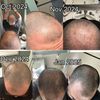
community Am I shedding? Cooked? Progress seems to be regressing
The user started taking 1 mg finasteride daily in September 2024 and began derma stamping twice a week, noticing progress initially but now experiencing increased scalp visibility. They are considering adding oral or topical minoxidil to their routine for further improvement.
community 28M - LAST 46 days of growth - FIN, TOPICAL & ORAL MINOXIDIL, DERMA STAMP 1MM , KETO SHAMPOO, VITAMINS, PROTEIN
A 28-year-old male shared his 46-day hair growth progress using finasteride, topical and oral minoxidil, derma stamping, keto shampoo, vitamins, and protein. He experienced initial shedding but saw improvement after adding oral minoxidil, with plans to continue for better results.
community 1mg Fin & topical min everyday since Jan 1 of this year
User shared progress pictures showing significant hair regrowth using 1mg finasteride and topical minoxidil daily since January. Other users congratulated and shared their own experiences and advice.
community 6 months 5% min, 3 months 0.01% fin, vitamins, capixyl serum, niacin, mn 1mm weekly, massages
The user is experiencing gradual hair growth using 5% minoxidil, 0.01% finasteride, vitamins, capixyl serum, niacin, and weekly microneedling, with plans to increase finasteride dosage. Despite some side effects, they remain optimistic about hair transplant results, focusing on the crown and temples.