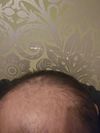
Maneup GHK-Cu peptide was used for hair loss, resulting in some hair growth in the receded hairline, but the new hairs were dry and split easily. Users discussed their experiences with this treatment.
Hair loss treatments discussed include Minoxidil, Finasteride, RU58841, and Nizoral shampoo. Nizoral's effectiveness is debated, with some suggesting it works as a weak antagonist for androgen receptors, while others attribute its benefits to anti-fungal and anti-inflammatory properties.
A user is experiencing worsening hair loss despite using 2.5mg Dutasteride, RU58841, and Minoxidil daily for over 8 months. They are concerned that daily nicotine from vaping might be counteracting the treatments.
Winlevi (clascoterone), a DHT blocker, is being considered for hair loss treatment, though it's primarily an acne medication. Users discuss its potential effectiveness and note it may only work for a short time.
After a hair transplant, it's advised to stop using RU58841 and minoxidil to avoid irritation, resuming them 25-30 days post-surgery if the scalp is healed. The user is currently using finasteride, minoxidil, and RU58841, but there are concerns about the safety and efficacy of RU58841 in humans.
Epristeride is a selective 5 alpha reductase type 2 inhibitor that may reduce scalp DHT similarly to finasteride, with potentially fewer side effects. It is suggested that combining epristeride with finasteride or dutasteride could enhance hair loss treatment effectiveness.
The user experienced heart palpitations from using Fin (0.1%) and Min (10%) and is seeking alternatives. Options suggested include PRP or Mesotherapy, with a recommendation to try topical Fin without Min.
Pumpkin Seed Oil and Perilla Oil (with alpha-lipoic acid, linoleic acid, and oleic acid) are discussed as potential 5alpha-reductase inhibitors. The conversation focuses on their effectiveness for hair loss treatment.
The conversation discusses using Pyrilutamide, Alfatradiol 0.1%, and Minoxidil for hair loss treatment. Pyrilutamide is described as a strong antiandrogen, and Alfatradiol is noted for its effectiveness in inhibiting DHT on the scalp.
The post discusses using RU58841 and 5% minoxidil for hair loss treatment, with RU applied to the temples and crown, and minoxidil used twice daily. Users debate the effectiveness of RU58841 compared to minoxidil alone.
The user has been experiencing diffuse hair thinning despite using finasteride, minoxidil, dermarolling, clobetasol cream, and PRP sessions. They seek advice on additional treatments and are advised to check vitamin D, iron, and thyroid levels.
The conversation discusses starting low-dose oral finasteride for hair loss, considering hormone levels and potential side effects like gynecomastia. Suggestions include using DIM for estradiol, vitamin B6 for prolactin, and lifestyle changes to optimize hormone profiles before starting treatment.
The conversation discusses adding either RU58841 or pyrilutamide to a hair loss treatment regimen that already includes oral dutasteride and oral minoxidil. RU58841 is considered the stronger anti-androgen but may have more side effects.
A 19-year-old diagnosed with AGA was refused finasteride by a dermatologist who cited fertility concerns and prescribed minoxidil, vitamins, and shampoos instead. The user is unsure about using minoxidil and considers finding another dermatologist.
A 19-year-old male with no family history of androgenetic alopecia (AGA) is experiencing hair loss and considering using a topical minoxidil and finasteride mixture. Despite low vitamin D levels and normal DHT serum levels, he seeks confirmation of AGA before starting treatment.
The conversation is about hair loss treatments, specifically Pyrludimide (KX-826) and Breezula (clascoterone), with the user unable to tolerate finasteride and dutasteride. The user plans to use these treatments alongside minoxidil, considering the efficacy and availability of each option.
The user is using a topical solution with finasteride, minoxidil, and tretinoin and is considering adding GHK-Cu to enhance hair growth and quality. Another user suggests diluting GHK-Cu and storing it in a smaller, refrigerated bottle.
A 25-year-old is using a combination of oral minoxidil, finasteride, RU58841, and topical dutasteride mixed with minoxidil to combat hair loss and hopes to see regrowth. They plan to update on the effectiveness of this regimen in a few months.
21-year-old female experiencing hair loss and visible scalp seeks advice on PRP effectiveness. Currently taking spironolactone and krimson for high androgens, unsure if PRP can be done with these medications.
A trial of verteporfin for hair regeneration, with pictures comparing the original and current status, as well as links to other resources discussing the efficacy of this treatment in combination with Minoxidil, Finasteride, and RU58841.
A 21-year-old is experiencing aggressive hair loss despite using minoxidil, dutasteride, and GFC, and is seeking advice on whether to switch treatments or consider a hair transplant. Suggestions include continuing current treatments, checking for underlying health issues, and considering alternatives like RU58841 or microneedling.
The user feels hopeless about hair loss despite using finasteride, dutasteride, minoxidil, and RU58841, and having a hair transplant. They are advised to maintain consistency in treatment, consider increasing dutasteride dosage, and explore topical solutions for better results.
A product with Minoxidil, finasteride, and RU58841 may help with hair thinning, but effectiveness varies, especially in aggressive cases. More potent treatments might be necessary for severe androgenetic alopecia (AGA).
A 41-year-old South Asian individual feels hopeless about hair loss and cannot use oral finasteride or dutasteride due to existing gynecomastia. They are seeking advice on alternative treatments.
The user experienced side effects from RU58841, including dry eyes and potential eyesight issues, and decided to stop using it. They confirmed the product's legitimacy but advised caution due to its experimental status and lack of safety data.
Stem cell-related treatments and drugs like RCGD423 and WAY are being tested for hair growth. Clinics are conducting tests on patients who haven't had previous treatments.
A user shared their year-long hair loss treatment using minoxidil, microneedling, and scalp massages, reporting moderate hair growth and stabilization. They suggest starting early with less harmful methods and consider adding finasteride or dutasteride if needed.
The user has scheduled a hair transplant after stabilizing hair loss with finasteride and minoxidil, considering additional dermarolling. They are advised to use 2500-3000 grafts conservatively for temple filling without lowering the hairline too much.