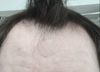
The user is pleased with their hair transplant results but is concerned about the vertex area. They use Minoxidil and finasteride daily and had the procedure at a clinic in Athens.
TDM-105795 showed better efficacy and safety in trials for hair loss, with a higher hair count improvement compared to GT20029 and HMI 115, but it's not as widely discussed. The user is questioning why this is the case.
A topical serum made from monounsaturated fatty acids showed rapid hair growth in mice within 20 days, but it remains experimental for humans. Users humorously discussed the frequent success of hair growth treatments in mice and expressed skepticism about translating these results to humans.
A 24-year-old male is concerned about hair loss, possibly at Norwood stage 3 to 5, and has started using Minoxidil, shampoo, and hairfibers, while planning to get finasteride. He is worried about the shedding process affecting his progress.
PP405, developed by Pelage Pharmaceuticals, can reactivate dormant hair follicle stem cells and increase hair growth by 20% in eight weeks, unlike minoxidil or finasteride. However, skepticism remains about its effectiveness and availability, with concerns about funding and the timeline for broader access.
The conversation is about hair loss treatments, specifically a stack including topical Ashwagandha, Copper Peptide, Gotu Kola, Ketoconazole, and PDA. One user found Topical and Sub-Q GHK-CU effective.
The conversation discusses GT20029 as a potential cure for hair loss and includes information on specific treatments used. Minoxidil, finasteride, and RU58841 are mentioned as related treatments.
The user is experiencing a significant hair shed at 10 months but sees improvement compared to 4 months ago. They are using Hims products, Feel Confident shampoo, Nizoral, a light therapy cap, and The Ordinary hair serum.
A user discusses a company, Roots by Genetic Arts, that offers a genetic test for hair loss to create personalized treatments, and is curious about its legitimacy and the science behind it. The company tests 16 genes related to hair loss and compounds a topical treatment based on the results.
The conversation humorously discusses hair loss treatments, including minoxidil, finasteride, and dutasteride, with mixed results and experiences. Some users express concerns about side effects, while others share their regrowth stories or consider alternative solutions like hair transplants or shaving.
PP405 is a potential hair loss treatment that inhibits mitochondrial pyruvate carriers, increasing lactate dehydrogenase activity and stimulating hair follicle stem cells. In a phase 1 trial, 31% of participants showed over 20% hair density increase with PP405 treatment.
Hairgenetix Copper Peptide Serum and PeptideLabz GHK-Cu + AHK-Cu Serum are being compared for effectiveness in hair loss treatment. The user is seeking recommendations for other brands with authentic reviews.
GHK-Cu serums for hair growth have mixed results, with some users not seeing significant benefits. Users have tried various brands like Tricomin and Actifolic without success.
GT20029 is discussed as a potential treatment for androgenetic hair loss by targeting androgen receptors, unlike finasteride which reduces DHT broadly. Concerns include its effectiveness, genetic variations in androgen receptors, and availability, with some skepticism about its potential as a true alternative.
The user has been using topical Minoxidil and Finasteride for 5 months and is questioning whether the new hair growth is genuine or just thin existing hairs. Another user suggests that comparison with before pictures is necessary to determine progress.
User noticed new baby hairs on temples after 1.5 months of minoxidil and 1 month of finasteride. They use a topical combo, derma stamp, rosemary oil, scalp massages, and keto shampoo.
Using a daily hair spray with 0.3% finasteride, 7% minoxidil, 2% ketoconazole, and biotin, along with a 1% ketoconazole shampoo once or twice a week, may be excessive according to the product's recommendations. The user is unsure about this regimen for treating androgenetic alopecia (AGA).
The user has been using minoxidil and finasteride for 8 months and is questioning if new baby hairs are growing. Opinions vary, with some suggesting the hairs are signs of regrowth and others suggesting delusion.
The conversation is about hair loss and the possibility of maintaining a full head of hair while using anabolic steroids. Some users believe that having good hair genes and taking hair loss protocols can help prevent hair loss while on steroids.
The conversation discusses using shou wu chih or fo-ti/he shou wu for hair loss, with OP noticing stiffer beard and body hair. A user warns about potential liver damage from fo-ti and questions the effectiveness of alternative medicine.
Hair regrowth progress using finasteride, minoxidil, and dermarolling. Visible improvements started around month 6, with initial shedding from minoxidil.
A user shared their experience with a 7600 graft hair transplant using scalp, beard, and chest hair over three procedures, expressing satisfaction with the results despite mixed feedback. They also used finasteride to thicken hair and considered scalp micropigmentation for further improvement.
GHK-Cu is discussed for hair loss treatment, with some users reporting positive results using a 4% topical serum, but concerns exist about the long-term safety of oral or injectable forms. The original poster also uses finasteride and plans to start dutasteride.
A user shared their satisfaction with a hair transplant done by Dr. Jimmy Cortez at Capilar Hair Center, but others in the conversation questioned the authenticity of the results, suspecting the use of hairfibers and deceptive advertising. Some found the hairline natural-looking, while others criticized it as artificial or unnecessary.
Finasteride and oral minoxidil significantly improved hair texture and thickness over 8 months. The user also experienced increased hair growth on the beard and eyebrows.
A user shared their 12-month progress after a 3500-graft hair transplant at Heva Clinic in Istanbul, choosing not to use minoxidil or finasteride. The results were praised, with comments noting the natural look and significant improvement.
The user is discussing hair regrowth after 3.5 months of using finasteride, questioning if the new growth is baby hairs. They compare photos from December to the present to assess progress.
A user shared their 9-month post-hair transplant results with 4600 grafts, using only Nourkin hair vitamins, Vitamin D, and B12, and expressed satisfaction. The replies debated the necessity of medications like finasteride and minoxidil for maintaining hair health.