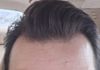
The user is experiencing hair thinning and is considering using minoxidil. They are concerned about the progression of hair loss and whether it will lead to complete baldness.
Some men have strong balding genetics that treatments like Dutasteride, Minoxidil, or Finasteride may not fully address. Early intervention is believed to help, but many accept hair loss without treatment.
Many are unaware of effective male pattern baldness treatments like finasteride and minoxidil, often opting for ineffective remedies. Educating others on proven treatments and potential side effects is crucial.
The conversation discusses the positive effects of taking finasteride (Propecia) for hair loss, with users sharing experiences of minimal side effects and improved hair growth over several years. The original poster emphasizes the importance of consistent use and mentions using Nizoral shampoo occasionally.
Effective treatments for male pattern baldness include finasteride, dutasteride, and oral minoxidil. Non-effective approaches include oils, shampoos, serums, laser therapies, massages, vitamins, and microneedling.
A user is considering using RU58841 for female pattern baldness and is also planning to use Minoxidil. They are hesitant to ask their doctor for spironolactone due to its cosmetic nature and are experiencing significant hair loss possibly due to stress and hormonal issues.
A user shared their success with minoxidil for hair loss, using 5% liquid Kirkland twice daily and dermarolling monthly, and plans to add finasteride. They saw significant progress after three months and regained confidence.
People regret not starting hair loss treatments like Minoxidil and Finasteride earlier, as they've lost significant hair by waiting. Some experienced side effects like itchy nipples or increased libido, but overall, they wish they had acted sooner to prevent hair loss.
A 16-year-old girl is experiencing hair loss, which has worsened despite using minoxidil and multivitamins. Suggestions include broader hormone testing and considering other treatments like spironolactone if the hair loss is due to androgenic alopecia.
A user experimenting with an extreme hair loss treatment stack of Dutasteride, RU58841, 15 mg oral minoxidil, and microneedling, which sparked a debate among other users about the safety of this approach.
The conversation is about a person struggling with hair loss and feeling frustrated comparing themselves to friends with thick hair. They started taking 1 mg Finasteride a month ago to address the hair loss.
Dutasteride mesotherapy showed increased hair density and diameter without reducing serum DHT levels in a small study. However, the sample size was too small to make definitive claims about its efficacy.
A user shared their positive experience using keratin hair thickening fibers to conceal a balding crown after six months on finasteride. Other users discussed various hair loss solutions, including minoxidil, dermarolling, and scalp micropigmentation.
The user reversed male pattern baldness using a pro-thyroid diet, lifestyle changes, and scalp stimulation exercises, without Minoxidil or Finasteride. They reported reduced dandruff, itchiness, oiliness, and experienced hair regrowth and thickening over 15 months.
A 33-year-old man is concerned about potential hair loss, comparing his hairline to his father's and noticing increased shedding and thinning. He is considering treatments like Minoxidil and Finasteride but is unsure if he has male pattern baldness.
A 21-year-old male is experiencing hair shedding, possibly due to stress from a breakup, and is using minoxidil and drinking green tea to address it. Others suggest stress as a cause and recommend consulting a dermatologist if it persists.
A new hair loss treatment claims a 539% improvement over placebo, but skepticism remains due to lack of substantial evidence and reliance on percentage figures. Users discuss the effectiveness of existing treatments like Minoxidil and Finasteride, expressing doubt about the new solution's impact.
The user has been using minoxidil and finasteride for almost a year, experiencing initial shedding, followed by regrowth, and then another shedding phase. They are concerned about the effectiveness of their current regimen and are considering adjusting their finasteride dosage.
A 22-year-old has been using topical finasteride and minoxidil with microneedling for hair loss, considering switching to oral finasteride or dutasteride due to slowed progress. Recent changes in application technique and increased microneedling frequency seem to have led to noticeable hair regrowth, prompting reconsideration of switching treatments.
The conversation discusses hair loss treatments, focusing on finasteride, minoxidil, and other options like PRP and ketoconazole. It highlights the importance of asking specific questions during a dermatology visit to determine the cause of hair loss and appropriate treatments.
The user shares their hair growth progress using topical and sublingual minoxidil, dutasteride, hormone replacement therapy, and a laser comb. They report thicker hair and reduced hairline shedding, seeking advice for further thickening.
Nutrafol helps improve hair thickness and hairline but may have potential health risks like liver damage and increased prostate cancer risk. The user plans to continue Nutrafol at a lower dosage while managing seborrheic dermatitis and considers future use of topical finasteride, minoxidil, rosemary oil, and microneedling.
A user is participating in a phase 3 trial for Clascoterone, a topical acne medication that may stimulate hair growth, and will share results after 6 months. They will have a section of their hair shaved and marked with a tattoo for the study.
The conversation emphasizes the need for patience when using finasteride for hair loss, as it can take up to 2 years to see maximum results, and results vary from person to person. Some users also discuss dosage adjustments and side effects, highlighting individual differences in response to the treatment.
The conversation discusses whether a gluten/wheat-free diet is beneficial for hair loss when taking finasteride and minoxidil. It questions if dietary changes are necessary or if using finasteride and minoxidil is sufficient.
The conversation humorously discusses hair loss, focusing on the envy of an older man, Massimo Cacciari, who has a full head of hair. Treatments mentioned include finasteride, minoxidil, RU58841, and hair transplants, with some users expressing dissatisfaction with baldness and considering various solutions.
Finasteride is more accepted than hair systems because it is less visible and maintains natural hair. Treatments like minoxidil and finasteride are commonly used for hair loss, but opinions on hair systems vary.
Creatine is not proven to cause hair loss, but some report increased shedding, especially with male pattern baldness. Finasteride or minoxidil are suggested to counteract potential hair loss while using creatine.
A user shared their positive experience with finasteride and minoxidil for hair regrowth, reporting no side effects and recommending early treatment for hair loss. Others discussed their experiences, side effects, and questions about dosages and application methods.
The user feels treated better with a comb-over than when bald due to cancer. They are considering a hair transplant and using finasteride and minoxidil for hair loss.