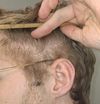
OP experienced significant hair regrowth after recovering from iron deficiency anemia and starting minoxidil. They suspect anemia contributed more to their hair loss than androgenetic alopecia (AGA).
The conversation is about a transgender individual's experience with hair regrowth using topical minoxidil and hormone replacement therapy (HRT), expressing concern about the slow growth and thin appearance of their hair. Some responses encourage patience and highlight the variability of results, while others discuss the role of HRT and its effects.
A user plans to stop Dutasteride to conceive a child, seeking advice on hair maintenance. Suggestions include switching to Finasteride, but many emphasize prioritizing child safety.
Combining finasteride and dutasteride with activities that raise testosterone may increase the risk of side effects like gynecomastia, depending on genetic predisposition and hormone levels. It's advised to check hormone levels to assess the risk.
A 28-year-old male experiencing diffuse thinning and miniaturization around the ears and back has tried finasteride, dutasteride, and both topical and oral minoxidil without success. He is seeking advice on identifying the type of hair loss and next steps since current treatments are ineffective.
The user has high free testosterone and is still experiencing hair loss despite taking dutasteride and oral minoxidil for over three years. They are considering adding a topical anti-androgen like RU58841.
The user experienced severe hair shedding from RU58841 and recovered by stopping its use and starting treatments including Minoxidil, Rosemary Verbenone, Stemoxydine, Aminexil, copper peptide serum, and specific shampoos. They also consistently used oral Finasteride and plan to try Minoxidil 10%.
GT20029 and pyrilutamide are both androgen antagonists but work differently; GT20029 degrades the androgen receptor, while pyrilutamide blocks DHT from binding. GT20029 is expected to have similar efficacy to CosmeRNA.
A transgender individual is starting spironolactone and estradiol for hormone replacement therapy (HRT) and is considering adding finasteride to help with hair loss. They are also planning to use minoxidil and microneedle, but are unsure if they need to use another anti-androgen or more aggressive treatments. A respondent advises against using pyri and suggests waiting to see if the HRT alone is sufficient before becoming dependent on minoxidil.
A 17-year-old is experiencing genetic hair loss and is considering treatments like Minoxidil, Rosemary oil, or Finasteride. They have a vitamin D deficiency but believe it is not the cause of their hair loss.
The user is starting dutasteride mesotherapy and seeks information on checking serum DHT levels in Germany. They previously tried finasteride but experienced unpleasant side effects.
Hair loss and its potential treatments, such as minoxidil, finasteride, RU58841, dermarolling, and supplements. It discusses whether miniaturized follicles can be revived to grow again or must shed for new growth to appear.
The conversation is about concerns regarding starting finasteride for AGA, with a preference for topical finasteride due to worries about oral side effects. The user is considering adding oral minoxidil later due to an allergy to topical minoxidil.
A 22-year-old is experiencing hair loss and anxiety, trying treatments like topical finasteride, rosemary oil, caffeine, microneedling, low-level laser therapy, scalp massages, ketoconazole shampoo, and various vitamins. They are concerned about potential gynecomastia and are considering using minoxidil if current treatments don't stop hair loss or promote regrowth.
GT20029 is a potential treatment for androgenetic alopecia, addressing the root cause by targeting androgen receptors, unlike Minoxidil or Finasteride. It is seen as a preventative measure rather than a regrowth agent, with hopes for market release soon.
A user with Androgenetic Alopecia is seeking advice on hair growth treatments while planning for pregnancy. Current routine includes LaserCap, Nizoral Shampoo, scalp massage, The Ordinary Multi Peptide Serum, vitamin D, prenatal vitamins, and SEEN shampoo.
A person experienced severe sexual side effects, including loss of libido and erectile dysfunction, after using finasteride and dutasteride for hair loss. They stopped the medications and sought advice, but recovery was slow and uncertain.
A transgender woman experienced significant hair regrowth after 18 months of hormone replacement therapy (HRT) with estrogen and bicalutamide. The discussion notes HRT's effectiveness for hair regrowth but warns against its use for cisgender men due to feminizing effects.
SCUBE3 and GT20029 are potential treatments for hair loss, with SCUBE3 stimulating hair growth and GT20029 protecting against DHT. A combined approach using SCUBE3, finasteride or dutasteride, and later GT20029 could provide a comprehensive treatment for androgenetic alopecia.
Dutasteride and finasteride for hair loss, with dissatisfaction expressed about dutasteride and consideration of switching back to finasteride. Users share varied experiences, noting individual responses to treatments differ.
A 17-year-old shares their hair loss treatment, using oral finasteride, dutasteride, stemoxydine, alfatradiol, and a placebo product, but cannot use minoxidil due to an allergic reaction. Others discuss similar treatments and question the use of dutasteride at a young age.
The conversation is about someone planning to start finasteride for hair loss and wanting to interpret pre-treatment blood panels to assess the risk of side effects like gynecomastia. They list various tests to measure hormone levels and other health indicators.
A 15-year-old experiencing severe diffuse thinning plans to use minoxidil, dermarolling, and possibly ketoconazole, with hopes to later incorporate finasteride. Concerns about starting finasteride too young and the need for a dermatologist consultation are discussed.
Dutasteride effectively stops hair loss but can cause side effects like sexual dysfunction, muscle mass changes, and testicle shrinkage. Adjusting the dosage may help manage these side effects, but long-term health effects remain a concern.
A user shared their positive experience with a hair transplant at Eugenix in India, noting the professionalism and natural results. They mentioned using 2815 grafts and discussed the clinic's controversial name, but did not mention using specific treatments like Minoxidil or finasteride.
A 19-year-old experiencing early hair loss started using finasteride to address diffuse thinning, despite concerns about potential side effects. They also use T/Gel and OGX Thick and Full shampoo, and have a dermatologist appointment scheduled to explore possible allergies.
A 31-year-old male with low normal-range testosterone and DHT is experiencing significant hair loss from the front scalp. He has tried Minoxidil, vitamin D3 and B12 supplements, and exercises regularly but is still seeking the root cause and effective treatment.
Switching from liquid to foam minoxidil led to hair loss for OP, possibly due to a second shedding cycle. OP experienced allergic reactions to propylene glycol in the liquid form, causing dandruff and itchiness, which improved after switching to foam.
Some people have side effects from finasteride and dutasteride due to hormonal predisposition, especially if DHT dominant. Alternatives like RU58841, Pyrilutamide, and Breezula are suggested to target scalp androgen receptors without altering overall hormones.