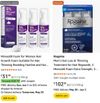
Minoxidil for women is cheaper because the instructions differ, with women using it once per day. It's suggested to choose the cheaper option, even if it's the women's version.
A 23-year-old started using 1mg Finasteride and Minoxidil twice daily on September 14 and saw positive results without side effects, boosting confidence and gym performance. They asked if switching from generic Finasteride to Propecia-brand would cause any changes.
The conversation discusses hair loss treatments, specifically the use of anti-androgens like RU58841 and Pyrilutamide, which are expensive in India. Alternatives like spironolactone and concerns about the effectiveness of finasteride and dutasteride are also mentioned.
User reports thicker, darker, and healthier hair after 3 months of using Hims chewable tablets containing 3mg minoxidil and 1.1mg finasteride. No significant regrowth in receding areas; previous use of rosemary oils and biotin pills showed no results.
The user experienced hair regrowth using a chewable combination of oral minoxidil and finasteride without side effects, unlike when taken separately. The treatment is from Hims, and the user is satisfied with the progress, especially on the crown.
A user ordered H&W's 1.25% Topical Finasteride and is curious about others' experiences and side effects. Another user asked about availability in the US.
The user is using 0.1% dutasteride, 1% minoxidil with 2% procapil and 0.005% caffeine in the morning, and 1% minoxidil with 2% procapil and 0.01% tretinoin at night. They are concerned about the solution vehicle's effectiveness in preventing systemic absorption and ensuring the products stay around the hair follicles.
A 42-year-old experienced significant hair regrowth after 12 weeks on an oral combination of finasteride (1 mg) and minoxidil (2.5 mg), with noticeable improvements and no side effects. The user is considering continuing the treatment for a year due to the unexpected positive results.
The user has not seen results from various hair loss treatments including finasteride, dutasteride, minoxidil, and others over several years and is considering adding RU58841 and starting hormone replacement therapy. They are also experiencing anxiety and contemplating moving to a more accepting environment for their nonbinary identity.
The conversation confirms that to make a 5% RU58841 solution, 1.5 grams should be added to 30 mL of KB Solution. The discussion involves calculating the correct dosage for hair loss treatment.
The user plans to use 1% Koshine826, 0.1% Alfatradiol, Minoxidil with Tretinoin, microneedling, and Stemoxydine for hair loss treatment. They expect significant recovery with this regimen.
The user reports significant hair regrowth after 2 months using a regimen of oral minoxidil, dutasteride, and a topical mix of minoxidil, RU58841, and caffeine. They apply the topical solution nightly and have not experienced any side effects.
The conversation is about the effectiveness of using less than 20mg of RU58841, specifically 12.5mg, for hair loss treatment. People are discussing their experiences with different dosages of RU58841.
Ell-Cranell and Eucapil are discussed as hair loss treatments, with Ell-Cranell being a weak estrogen and DHT inhibitor that may reduce hair loss without systemic side effects. Alfatradiol is the active ingredient in these products.
The conversation discusses the trustworthiness of Indian medications for hair loss, with some users mentioning they have purchased Minoxidil, finasteride, and RU58841 from India. Concerns include dosage and ingredient variations, but no harmful effects are noted.
Oral minoxidil can cause severe side effects, including heart issues, even at low doses. Users suggest starting with a lower dose or using topical treatments to minimize risks.
The conversation is about finding a trustworthy and affordable source for RU58841 in Europe, with a comparison between Anagenic and Actifolic. The user seeks experiences from others in the EU to avoid receiving water instead of the product.
A user shared their progress using 1.1mg oral finasteride and 3mg oral minoxidil since January 2024, noting significant improvement without side effects. They previously had an allergic reaction to topical treatments.
After gyno surgery, OP is considering restarting finasteride at a lower dose (0.25mg/0.5mg) or switching to topical to reduce the risk of gyno recurrence. Lower doses and topical application may lessen side effects due to reduced systemic absorption.
The user is considering switching from topical 5% minoxidil to oral minoxidil at 1.25 mg daily due to practicality, despite the higher cost. They are seeking advice on whether this low-dose oral approach is effective.
Minoxidil, derma stamp, and Nizoral shampoo are being considered to maintain hair until finasteride can be used. The user is contemplating adding RU58841 or KX-826.
A 20-year-old is using a topical solution with 0.1% finasteride and 7% minoxidil for hair loss, applying about 10 drops daily. They seek advice on the correct dosage to avoid over or under-application.
Veradermics' new hair loss treatment, VDPHL01, is likely a modified release oral minoxidil, which has received $75 million in funding for clinical trials. Despite skepticism about investing in a known treatment, some believe it could offer improved efficacy and reduced side effects.
The conversation is about a user's progress using oral finasteride and minoxidil for hair loss over two months. The user reports noticing small hair regrowth after the first month and discusses the convenience and cost of chewable tablets from Hims, while also addressing side effects like ED and heart palpitations.
Finasteride and minoxidil are effective for hair loss, with many users finding them manageable as part of a daily routine. Costs can be reduced by purchasing generic versions, and while some users express concerns about long-term use, most agree the benefits outweigh the inconvenience.
The conversation is about seeking information on GT20029 from Kintor Pharmaceutical as a potential hair loss cure and inquiring about experiences with CosmeaRNA.
Hair loss treatments, specifically the use of oral minoxidil in combination with micro-needling. Oral minoxidil has been found to improve hair density in 90% of patients with a low side effect profile, but using 5mg per day can result in higher side effects including hypertrichosis and edema. Other treatments mentioned include finasteride and RU58841.
The post discusses the user's successful hair regrowth after 15 months of using finasteride and ketoconazole. The user is considering starting oral minoxidil, but others suggest sticking with the current treatment or trying topical minoxidil instead.
The conversation is about making homemade topical finasteride by crushing pills and mixing them with ethanol and propylene glycol or minoxidil. Users discuss sourcing options and share experiences with DIY solutions.