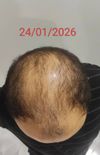
Shedding may indicate potential regrowth when using KX-826, similar to Minoxidil and finasteride. Users report improved hair quality and minor side effects like slight headaches.
The user is using RU58841, finasteride, dutasteride, and minoxidil to slow down aggressive hair loss but is still experiencing hair shedding due to high testosterone levels. They plan to use ostarine to lower testosterone and prevent hair loss while maintaining muscle mass, and will continue using the other treatments.
A user is considering switching from oral minoxidil to a combination of 5% topical minoxidil and tretinoin to reduce hypertrichosis. They hope this combination will be effective without causing excessive body hair growth.
The conversation discusses the best vehicle for topical dutasteride, comparing Trichosol, Transcutol, and a gel version. It also mentions using Transcutol with ethanol to enhance transdermal delivery of Bimatoprost.
A user shared their successful hair regrowth journey using oral minoxidil, dutasteride, and eucapil, with additional benefits from MTF hormone replacement therapy. They advised consulting specialists and considering individual responses to treatments.
The user underwent three hair transplants over five years, totaling 6,500 grafts, and uses a topical solution with minoxidil and finasteride. The procedures were performed at Medikliniek in Amsterdam, with some donor hair taken from the beard during the last surgery.
A user has been using Waterman's Grow Me Shampoo, which claims to have DHT blockers and promote hair growth. They've noticed potentially faster hair growth and some new hairs but are unsure if the product is effective or not.
A 29-year-old male experiencing hair loss due to TRT is using minoxidil and dermarolling but is hesitant to use finasteride or dutasteride due to potential side effects. He is considering low level laser therapy (LLLT), PRP, ketoconazole shampoo, and oral minoxidil as additional treatments. A reply suggests that without a DHT blocker like finasteride or dutasteride, other treatments may not be effective long-term.
A trans woman is curious about the impact of HRT on hair regrowth and scalp tension. Her current regimen includes finasteride, spironolactone, estradiol, ketoconazole, vitamin D, iron, and plans to add oral minoxidil and restart derma rolling.
The user is not seeing hair regrowth after 12 weeks of using topical minoxidil and oral dutasteride, despite being on finasteride for 18 months, and is considering adding tretinoin. Another user suggests continuing the current treatment for 6-12 months before making changes.
The conversation is about hair regrowth treatments, including ketoconazole, vitamins, fish oil, collagen, pumpkin seed oil, rosemary, and dermal rolling. Users suggest trying finasteride and intense weight training to enhance results.
A user shares optimism about combating male pattern baldness using oral and topical minoxidil, highlighting the advancements in treatments available today. Another user agrees, noting that early treatment can yield good results, and mentions the availability of affordable hair transplants.
Hair loss can be treated by correcting glucose metabolism in hair follicles and using equol as a safer DHT blocker. Production of these treatments is starting soon, and a Discord channel is available for more information.
A 38-year-old man from Poland, balding for 15 years, shared his hair regrowth progress after 4 months of using finasteride (fin), minoxidil (min), micro-needling, and infrared light treatments. He recently switched from finasteride to dutasteride.
The user switched from topical Minoxidil and Finasteride to oral Finasteride and reduced testosterone, expecting to lower DHT, but instead, DHT increased and hair loss worsened. The user is seeking advice on whether to return to the previous topical treatment or if others have experienced similar issues with oral Finasteride while on TRT.
Scalp tension may contribute to hair loss by increasing DHT levels, with potential solutions like scalp massages and Botox. Concerns about finasteride's side effects were discussed, and some users shared personal experiences with alternative treatments like scalp massaging and Botox.
The user is concerned about hair loss and is using treatments like dutasteride, microneedling, and topical finasteride, while considering adding RU58841. They are also using Minoxidil on the temples and are worried about testosterone-related hair loss.
The user underwent a second hair transplant for the crown and mid-scalp, achieving good density. They are using minoxidil, finasteride, and biotin, and considering PRP treatments to enhance growth.
The user is experiencing severe hair loss despite using treatments like DUT, oral minoxidil, ketoconazole, RU58841, and vitamins. They plan to buzz their hair due to the ongoing hair fall and its impact on their mental health and self-esteem.
A user shared their 4-month post-hair transplant progress, noting they use oral minoxidil, oral finasteride, biotin pills, and a hair repair serum. They are pleased with the results and hope for increased hair density.
The user is pleased with their hair transplant results after nearly 7 months, noting thicker, longer, and stronger hair with good coverage and full donor recovery. They are using oral minoxidil and finasteride.
The user has been using finasteride and minoxidil for hair loss but experienced worsening temple recession. They suspect they might be more sensitive to testosterone and are considering trying RU58841 or CB 03 01 as additional treatments.
The user has been using finasteride, minoxidil, dermarolling, and keto shampoo for hair regrowth, showing positive results after four months. Some users suggest adding tretinoin cream for better absorption, and there's a debate on whether finasteride should be taken at night.
The user started using 1mg finasteride and Regaine foam post-hair transplant, noticing significant hair growth at three months. They experienced testicular cramps as a side effect but no other issues, and are considering microneedling for further improvement.
Combining therapies like scyllo-inositol, alpha-ketoglutarate, and autophagy-inducing supplements may enhance hair growth and prevent hair loss. Reporting individual results can accelerate progress in hair loss treatments.
Clascoterone 5% shows potential for hair thickening and darkening, especially when combined with treatments like finasteride. It may be a good alternative for those who experience side effects from other treatments.
The user shared their hair restoration journey, using dutasteride, topical minoxidil, and a 2,300 graft hair transplant, resulting in significant improvement. They are happy with the results and do not believe the hair system worsened their hair loss.
The user had a hair transplant in Turkey and started taking finasteride to maintain hair growth. They are satisfied with the results and plan to continue using finasteride while being cautious about hairstyles to prevent traction alopecia.
Dutasteride studies for hair loss are often sponsored by GlaxoSmithKline, raising concerns about potential bias. Despite this, some users report positive results with dutasteride and oral minoxidil, while others remain skeptical of industry-funded research.
The conversation discusses hair loss treatments including finasteride, minoxidil, derma rolling, and tretinoin, with the user showing progress after five months. Tretinoin is mentioned to enhance the effectiveness of minoxidil.