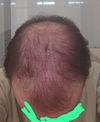
GHK-Cu is being considered for hair growth, but users report mixed results. Some use it alongside other treatments like 5AR inhibitors, making it hard to determine its effectiveness.
Hmi115, a prolactin receptor blocker, showed promise for hair growth, but results from Phase 2 trials have not been published. ABS-201, an AI-based analog, is expected to begin trials in December 2025, while commercialization of treatments like PP-405 is anticipated around 2027.
PP405's phase 2a trial results were presented, focusing on safety and pharmacokinetics, with a future meeting planned to share the full dataset. The trial includes a randomized controlled portion and an open-label extension, with no indication of phase 2B completion.
PG solvent is considered superior to K&B solvent for RU58841 and Pyralutamide due to cost and effectiveness. The user questions why they should use K&B when PG offers more benefits.
A 20 year old male who is balding and considering switching to a biology/chemistry program in order to find a low-cost, accessible solution for hair loss. Replies discuss the merits of this idea as well as potential treatments such as Minoxidil, finasteride, RU58841, TM5614, and ADQ.
The conversation discusses using PGE2 as a hair growth stimulant, comparing it to minoxidil, and considering the addition of Setipiprant. Concerns about side effects like skin damage and cost are also mentioned.
People are discussing the use of an untested hair loss treatment called PP405, which is not available on the grey market. Some users are trying a mimic formulation called HP3, reporting thicker hair but no new growth yet.
A 24-year-old with hair thinning is using a regimen including dutasteride, RU58841, HGH, GHK-cu, and other compounds to protect and regrow hair. They are also incorporating a mild cutting cycle with testosterone propionate, anavar, and tirzepatide.
The conversation discusses creating a topical catalase solution with phosphate buffered saline, glycerin, and polysorbate 20 for hair loss treatment. The user seeks advice on preparing this solution.
PTD-DBM is being explored for hair regrowth by targeting CXXC5, with clinical trials expected after pre-clinical studies. Users express anticipation and skepticism about its effectiveness.
Significant hair regrowth was achieved using EssenGen 6-Plus with 6% minoxidil and 0.05% finasteride, along with Nizoral shampoo, over 12 weeks. No side effects were experienced, highlighting the benefits of a low dose.
User questions credibility of a hair loss "cure" found by a non-expert and warns against wasting money on unproven supplements. Others discuss trying natural extracts and the importance of researching the enzyme 3ADH for potential hair growth benefits.
A user shared their 5-month hair loss treatment progress, using 1mg finasteride, daily GHK-CU injections, keratin/biotin/MSM supplements, Pura D’Or shampoo and conditioner, Ayurvedic oil, ketoconazole thrice weekly, and weekly microneedling with topical GHK-CU. The post includes progress pictures.
GHK-Cu peptide injections are discussed for hair growth, but users report mixed results and suggest focusing on DHT management first. Some users combine GHK-Cu with treatments like Minoxidil and Dutasteride, but emphasize its benefits for skin rather than hair.
DLQ01, a prostaglandin F2α analog, shows promise for hair growth by directly stimulating PGE2/PGF receptors without needing conversion, and can be combined with minoxidil and retinoids like tretinoin for enhanced effectiveness. Minoxidil's efficacy may be reduced by COX-1 inhibitors, but using prostaglandin analogs like Latanoprost or Bimatoprost can help maintain its effectiveness.
GHK-Cu is a potent inhibitor of the type 1 5-alpha reductase enzyme in hair follicles, which may reduce hair loss without the side effects associated with type 2 5-alpha reductase inhibitors. The user previously experienced side effects with 5-alpha reductase inhibitors and is considering GHK-Cu as an alternative.
A 17-year-old is addressing hair loss with finasteride, topical minoxidil, and microneedling. They are considering adding GHK-Cu to their regimen, but others advise caution with finasteride due to age.
GT20029 showed significant hair growth and safety in phase II trials, with no adverse sexual events. Users are hopeful but concerned about future costs and systemic effects.
The user is using a hair regrowth treatment plan that includes finasteride, microneedling, minoxidil foam, ketoconazole shampoo, and piroctone olamine shampoo. They are seeking advice on the effectiveness of their regimen and dosage of finasteride, and are curious about others' experiences with piroctone olamine.
The conversation questions the lack of feedback on the effectiveness of PGE2 and setipiprant for hair loss, despite their availability. The user is puzzled by the absence of reviews or results, whether positive or negative.
PP405 is a potential hair loss treatment that inhibits mitochondrial pyruvate carriers, increasing lactate dehydrogenase activity and stimulating hair follicle stem cells. In a phase 1 trial, 31% of participants showed over 20% hair density increase with PP405 treatment.
Pelage executives' hairlines were discussed, with speculation about them using PP405 for hair regrowth. Concerns were raised about using untested drugs, with some suggesting executives might not risk using them without safety data.
GHK-RU58841 is used for hair loss, with positive results when combined with finasteride, stemoxydine, redensyl, and alfatradiol. Users report effectiveness after adding finasteride.
A user tried various hair growth treatments, including drinking topical minoxidil, using oral minoxidil and finasteride, and applying GHK-Cu, growth hormone peptides, and liposomal sulforaphane. They experienced thicker hair, while others discussed the risks and benefits of these methods.
The FDA will now require only one clinical trial for drug approval, potentially speeding up the release of hair loss treatments like PP405. Pelage is expected to present full results of PP405 Phase 2a trials and move to Phase III in mid-2026.
GT20029 shows promising results for hair loss treatment, with potential approval in China by 2026 or 2027, but U.S. approval may take longer. It could serve as an alternative to finasteride, with a potentially better side effect profile.
Treatments for hair loss with a focus on finasteride, minoxidil, and platelet-rich plasma (PRP). The user discussed their family history of balding, asked questions about the effectiveness of different treatments, and was discouraged from taking finasteride by medical professionals.
A user shared their successful experience with hair regrowth and transitioning from male to female using minoxidil, finasteride, Nutrafol, microneedling, and hormone replacement therapy (HRT). They expressed gratitude for the results and encouraged others to explore treatments that align with their personal goals.