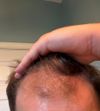
Rosemary Oil may inhibit the activity of 5α-Reductase, potentially promoting hair growth. Specific treatments discussed include Minoxidil, Finasteride, and RU58841.
Topical minoxidil from Kirkland led to noticeable hair growth for the user, unlike oral minoxidil, which showed no results after a year. Other users shared similar experiences, suggesting topical minoxidil might be more effective than oral for some individuals.
User experienced hair loss on the top of the head for 2 years, noticed improvement after adding a smoothie with various fruits, vegetables, and seeds to their diet. They observed increased hair growth after 2 weeks of this dietary change.
A user shared their successful hair loss regimen, which includes New Nordic Hair Gro vitamins, Shea Moisture Jamaican Black Castor Oil Leave-In Conditioner, and NAC supplements. They reported reduced hair shedding, thicker hair, and improved hair texture.
The conversation discusses why some people who use hard drugs have great hair, with various opinions suggesting genetics and higher estrogen levels as possible reasons. Specific treatments like Minoxidil, finasteride, and RU58841 are not mentioned.
User shares one-year hair transplant results with 3633 FUE grafts. Responses discuss improved appearance, hairline looking pluggy, and doctor's location in Ottawa, Canada.
Hair loss discussion mentions using estrogen mixed with growth stimulants like oral minoxidil for scalp hair growth. Idea proposed for an artificial SARM-estrogen that only affects hair without body side effects.
User "logart89" claims DUT 3 times a week is better than daily FIN for hair loss. Their routine includes DUT, topical DUT, stemoxydine and alfatradiol mix, 5% minoxidil with tretinoin, and weekly derma stamping.
28M shares hair transplant results 6 months after 3633 grafts via FUE by Dr. Rahal in Ottawa, costing ~$24k CAD. Users discuss the impressive results, procedure experience, and cost breakdown.
A woman experiencing hair loss due to high testosterone and low vitamin D is using treatments like Dutasteride, Rogaine, zinc, ketoconazole shampoo, dermastamp, iRestore, multivitamins, scalp massager, and vitamin D. She plans to switch to oral Minoxidil under medical supervision.
Finasteride can cause gynecomastia, which may be reversible by stopping the drug and using selective estrogen receptor modulators (SERMs) like tamoxifen. Lifestyle changes such as weight loss and avoiding alcohol can also help, but surgery may be needed if the condition persists.
A 20-year-old male experienced bald spots and used minoxidil, which led to hair regrowth but also premature graying. He seeks advice on reversing graying through diet or supplements like catalase, while another user suggests vitamin D3 and sesame for hair color.
User reports using a derma roller daily, seeing new hair growth along the hairline without using Minoxidil or finasteride. They seek advice on further promoting hair growth with their current routine.
A user is questioning if Aveda composition oil promotes hair growth or blocks it, listing its ingredients. They are experiencing severe hair thinning and are unsure if they should continue using the product.
A 30-year-old man with diffuse hair thinning shared his hair regrowth regimen, which includes increasing Vitamin D intake, taking oral castor oil, using a dermapen, and various supplements like Glycine, K2, Vitamin E, Vitamin C, Aspirin, Sodium Bicarbonate, and a multivitamin. He also mentioned inconsistent use of Minoxidil, Peppermint Oil, Zix, and topical Castor Oil, and negative side effects from Finasteride, RU58841, and Nizoral.
Hair cloning may become available in 1-2 years in Japan, but widespread availability and affordability could take 7-15 years. Current treatments like finasteride are effective but may lose effectiveness over time.
Latisse (bimatoprost) is discussed as a potential treatment for hair growth due to difficulty obtaining PGE2. Users also mention concerns about sourcing reliable products from China.
Stem cell-related treatments and drugs like RCGD423 and WAY are being tested for hair growth. Clinics are conducting tests on patients who haven't had previous treatments.
The user experienced hair regrowth using finasteride, minoxidil, dermarolling, and a castor oil and peppermint mix after initially having a significant hair loss. They reported no lasting side effects from finasteride and believe dermarolling contributed to their hairline growth.
The conversation is about the effectiveness of Ultrax Labs Hair Surge Caffeine Hair Loss Hair Growth Stimulating Shampoo, with the original poster questioning if the positive reviews are genuine or not. No specific treatments were discussed.
The user has been taking oral minoxidil and finasteride for 10 months with no hair growth but no further hair loss. They are considering adding rosemary oil and possibly returning to a topical solution.
The user managed hair loss with RU58841 and finasteride but is now experiencing graying hair, possibly due to stopping oral minoxidil. Many responses suggest embracing or dyeing gray hair, emphasizing that having gray hair is preferable to balding.
A user is frustrated with slow hair regrowth despite using minoxidil, finasteride, and microneedling. Others suggest trying dutasteride or oral minoxidil for potentially better results.
The user has been using oral dutasteride and topical minoxidil for 8 years, added oral minoxidil 6 months ago, but continues to experience hair thinning despite reduced shedding. They are considering checking iron levels, switching medication brands, and exploring other treatments like RU58841.
The user is questioning if they are experiencing hair regrowth after using topical Minoxidil for 4-5 months, noting increased body hair but uncertain head hair changes. Other users suggest the appearance is due to a natural cowlick rather than balding.
A 26-year-old man shared his 6-month hair regrowth progress using 0.25% topical finasteride, 5% topical minoxidil, Trichosol, and weekly derma stamping. He plans to start using a lotion with dutasteride and azelaic acid.