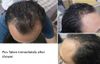
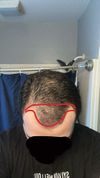
The user underwent a second hair transplant for the crown and mid-scalp, achieving good density. They are using minoxidil, finasteride, and biotin, and considering PRP treatments to enhance growth.
A 23-year-old is self-conscious about a receding hairline and is considering using finasteride and minoxidil to regrow or thicken hair. Advice suggests consulting a doctor, as finasteride can stop hair loss and minoxidil can promote regrowth, but expectations should be realistic, especially for hairline regrowth.
The user has been experiencing hair loss since the age of 16 and has tried various treatments including minoxidil, finasteride, RU58841, microneedling, and keto 2%. Despite these efforts, there has been little improvement in hair growth. The user is considering other options such as dutasteride, perilutimide, or a hair transplant in the future, but for now, they are accepting the shaved look and focusing on personal growth and school.
A man started treating hair loss in April 2022 with 1mg finasteride every other day and weekly derma rolling. By September 2023, he added daily biotin and twice-daily 5% minoxidil foam to his regimen.
A 23-year-old male showed hair regrowth after using finasteride and minoxidil daily for three months, with no significant side effects. Others shared their experiences and discussed side effects and photo lighting differences.
A 31-year-old male experiencing hair thinning since age 25-26 uses minoxidil, finasteride, a red laser cap, and microneedling to promote hair growth. Users suggest reducing microneedling frequency to once a week to avoid damaging hair follicles.
A 73-year-old is experiencing increased balding and is inquiring if it's too late to use topical treatments like Minoxidil, Finasteride, or RU58841. The discussion revolves around the effectiveness of these treatments for older individuals.
A 45-year-old man experienced positive hair regrowth using a combination pill of 5mg minoxidil, 1.1mg finasteride, and 1mg biotin over three months. He reported minimal side effects and prefers this treatment over hair transplants.
A 19-year-old experiencing hair loss despite using minoxidil and finasteride for three months, with no family history of baldness except for maternal grandfather. The user is advised to continue the treatment for Androgenic Alopecia and not rely on home remedies.
A 20-year-old feels defeated about hair loss and struggles with consistent minoxidil use due to ADHD. They plan to visit an endocrinologist for finasteride and consider shaving their head while continuing treatments.
A 31-year-old man from India is starting a hair loss treatment routine using finasteride, minoxidil, ketoconazole shampoo, and supplements for vitamin deficiencies. He is considering switching to oral minoxidil and possibly using Redensyl serum, while also exploring the effectiveness of dutasteride compared to finasteride.
Hopeful treatments for hair loss, including Verteporfin, Androgen Receptor Degradation, and SCUBE3. These treatments offer potential solutions to slow or stop the effects of androgens on the scalp.
A 23-year-old has been using 5% minoxidil and derma stamping for three months to address hair loss, with noticeable improvement. Users suggest adding finasteride to prevent further hair loss, as minoxidil alone doesn't address the underlying DHT issue.
A 21-year-old is experiencing severe hair loss despite using finasteride and minoxidil, and plans to try dutasteride. Others share similar struggles and suggest various treatments like RU58841, spironolactone, and hair systems, while emphasizing the emotional impact of hair loss.
A 21-year-old male experiencing hair thinning started using Minoxidil, which stopped his shedding and led to the growth of vellus hairs on his temples. He is considering whether to add finasteride to his routine, which currently includes Minoxidil, derma rolling, ketoconazole shampoo, vitamin D3, zinc, and a rosemary and fenugreek lotion.
The user is experiencing continued hair loss despite using minoxidil, finasteride, tretinoin, and microneedling. They are considering a hair transplant due to lack of response to current treatments.
A 24-year-old has been using Minoxidil and finasteride for 1.5 years with mild improvement but is being rejected for hair transplants due to age and diffuse thinning. They are seeking advice on what to do next.
The user is seeking advice on the best treatment for malepatternbaldness, diffuse thinning, and retrograde alopecia, comparing the effectiveness of finasteride, RU58841, and dutasteride, and considering whether to add minoxidil or switch to dutasteride or combine treatments. They are currently on finasteride and are contemplating if adding RU58841 or switching to dutasteride is better, and also asking about the comparison between pyrilutamide and RU58841.
A 23-year-old male with Norwood 2.5-3 hair loss is considering using a lotion containing 0.3% finasteride and 6% minoxidil spray, as recommended by a dermatologist. He is hesitant about using oral finasteride due to potential long-term side effects.
An 18-year-old with early hair loss is advised to consider minoxidil and finasteride, with a doctor's consultation recommended. Alternatives like a hair system or shaving are suggested due to potential medication side effects and lifelong commitment.
The user started using 1mg finasteride and Regaine foam post-hair transplant, noticing significant hair growth at three months. They experienced testicular cramps as a side effect but no other issues, and are considering microneedling for further improvement.
The user experienced rapid diffuse hair thinning for five years despite no signs of AGA or miniaturization. They tried finasteride and oral minoxidil without success and have checked thyroid, iron, and vitamin D levels.
A 37-year-old man reports significant hair regrowth using a regimen of topical minoxidil, oral finasteride, derma rolling, and saw palmetto shampoo, but notices uneven progress between the sides of his head. He theorizes that sleeping on one side might affect hair growth, but others suggest it could be unrelated to sleeping habits.
A 35-year-old man with 10 years of hair loss at NRW7 started using topical Minoxidil and noticed some hair regrowth. He plans to continue with Minoxidil, add microneedling, and possibly try topical treatments like finasteride or dutasteride.
Hair loss treatments like Minoxidil, finasteride, and RU58841, focusing on their effectiveness and side effects. It also highlights the disparity in medical research funding between hair loss and conditions like endometriosis.
The user has been using finasteride, minoxidil, Viviscal, biotin, saw palmetto, fish oil, and alternating shampoos to combat hair loss but continues to experience thinning, especially at the hairline. They are considering trying dutasteride but are hesitant, and they are contemplating shaving their head if the situation doesn't improve.
The user shared their three-year progress using finasteride and minoxidil for hair regrowth before undergoing a hair transplant procedure. They plan to continue the medication post-procedure due to its success and did not experience significant side effects.
The user has been dealing with hair loss for 10 years, worsened by psoriasis, and uses minoxidil and finasteride. They seek advice on managing psoriasis and hair loss, with suggestions to see a dermatologist, try different shampoos, and be patient.
Balding's emotional impact is discussed, highlighting self-acceptance and well-being. Treatments like finasteride, minoxidil, and microneedling are mentioned, but the focus is on self-care and maintaining perspective.