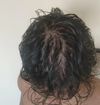
A user beginning to take Pyrilutamide as a treatment for their hair loss, and other users sharing their experiences with the drug or similar treatments such as Minoxidil, Finasteride, and RU58841.
A 30-year-old man experienced significant hair loss after starting testosterone replacement therapy (TRT), which did not improve with daily finasteride and minoxidil. He is considering restarting TRT and is seeking advice on using pyrilutamide or RU58841 to prevent further hair loss.
The user stopped using finasteride after two weeks due to gynecomastia symptoms and shared blood work results questioning if they indicate a cause for the side effects. The user is considering restarting finasteride and seeking advice on their blood work levels in relation to gynecomastia.
PP405 may revive dormant hair follicles but is unlikely to help with long-term baldness where follicles are replaced by scar tissue. It is seen as a potential adjunct to treatments like minoxidil and finasteride, but its effectiveness on deeply fibrotic or scarred areas is doubtful.
The conversation discusses various hair loss treatments, including minoxidil, finasteride, dutasteride, pyrilutamide, alfatrodial, and nizoral, with a focus on the potential of new treatments like gt20029 and breezula. There is optimism about novel treatments that don't have systemic effects, although skepticism remains about the effectiveness of some new drugs.
The conversation discusses various treatments for hair loss, including finasteride, minoxidil, dutasteride, microneedling, and checking for nutrient deficiencies. Some users suggest adding hydrocortisone butyrate, low-dose progesterone, or tretinoin to treatment regimens, while others recommend cosmetic solutions like Toppik hair fibers or shaving the head.
The post discusses using microneedling alone for hair regrowth without finasteride or minoxidil due to side effects and dependency concerns. The user is also considering the "Zix" formula, acetic acid, topical zinc solutions, and lithium chloride.
Hair transplant recipients are concerned about whether dormant follicles are permanently damaged by incisions, but some believe undamaged follicles could still regrow if a treatment like PP405 is effective. Opinions vary on the impact of transplants on original follicles, with some suggesting treatments like finasteride can help regrow hair.
The conversation discusses concerns about the efficacy of pyrilutamide if left in a mailbox for several hours. It also mentions treatments like Minoxidil, finasteride, and RU58841 for hair loss.
Trans woman experiences hair thinning despite low testosterone and treatments like finasteride and microneedling. Possible causes discussed include past eating disorder and current stack of medications and supplements.
Using tretinoin or tazarotene with minoxidil may eliminate the need for microneedling or dermastamping. Microneedling can enhance minoxidil's effects but may cause long-term scalp issues.
A user diagnosed with lymphoma is advised to stop finasteride during chemotherapy, with suggestions to consider treatments like Dutasteride and Minoxidil post-recovery. The focus is on prioritizing health over hair loss, with encouragement and advice from others who have experienced similar situations.
Lactobacillus reuteri 6475 is being used by a person who reports healthier hair after one month, despite initial shedding. The discussion includes speculation about its effects on gut bacteria and scalp inflammation.
A 24-year-old experiencing severe hair thinning has been using minoxidil for 2 years but is still shedding hair. A doctor recommended plasma treatment over a DHT blocker for better and healthier results.
The FDA will now require only one clinical trial for drug approval, potentially speeding up the release of hair loss treatments like PP405. Pelage is expected to present full results of PP405 Phase 2a trials and move to Phase III in mid-2026.
Pyrilutamide and its effectiveness for treating hair loss, with advice from other users cautioning to wait at least 6 months before expecting any results. Treatments discussed include finasteride and minoxidil.
Oral minoxidil is considered unsafe due to severe side effects and requires close medical supervision, while oral finasteride is viewed as safe and effective. There is debate over the fear-mongering around finasteride and the downplaying of minoxidil's risks, with some users advocating for proper health screenings before use.
The conversation is about the anticipation of results for a hair loss treatment study, specifically for GT20029, with expectations for the results to be released in the first quarter of 2024. No specific treatments were discussed.
Spironolactone, finasteride, and dutasteride are discussed for hair maintenance, with concerns about testosterone and side effects like gynecomastia. Spironolactone is noted for use in both bodybuilding and hormone therapy, with low doses considered for minimizing side effects.
Some people don't see results with FDA-approved hair loss treatments like finasteride or minoxidil due to underlying issues. The video suggests addressing these issues, especially if there are atypical symptoms or other health conditions.
The conversation is about someone who initially had positive results with Minoxidil for hair loss, lost those gains due to a hospital stay, and is now not seeing the same results upon resuming treatment. They plan to add microneedling and/or tretinoin to their regimen and are seeking success stories from others who did not respond to Minoxidil alone.
Concerns about the potential systemic effects and safety of PP405 for hair loss, with discussions on its comparison to existing treatments like finasteride and minoxidil. Users express skepticism about untested research chemicals and emphasize the importance of clinical trials to ensure safety and efficacy.
The conversation humorously discusses an extensive and exaggerated hair loss treatment regimen, including finasteride, dutasteride, minoxidil, pyrilutamide, RU58841, and various other therapies. Despite the numerous treatments, the effectiveness is questioned, and the user humorously considers adding more minoxidil.
Hair loss treatments discussed include 200mg Spiro, bicalutamide, and finasteride. Endocrinologist advises against bicalutamide and finasteride due to potency and risks.
The conversation discusses how different factors can stimulate type 1 and type 2 isoforms of 5-alpha reductase, which are enzymes linked to hair loss. Specific treatments mentioned include oral Dutasteride and topical Finasteride.
The conversation discusses hair loss treatments, focusing on finasteride, dutasteride, and minoxidil. The user is considering adding minoxidil to their regimen after using finasteride and dutasteride without significant results, while others suggest minoxidil is essential for diffuse thinning.
The user suspects scarring alopecia and is exploring NSAIDs and turmeric/pepper for inflammation-related hair loss, having experienced burning and thinning with finasteride and testosterone reduction. They are seeking feedback while unable to afford a dermatologist.
The conversation discusses the theory that scalp fibrosis contributes to male pattern baldness (MPB) by increasing DHT concentration, and mentions treatments like Minoxidil. The user seeks opinions on the theory and the effectiveness of scalp massages.
A user is experiencing rapid hair loss and has been diagnosed with telogen effluvium by multiple dermatologists, but doubts the diagnosis due to the severity and speed of the hair loss. They are considering various treatments like spironolactone, estradiol, and possibly finasteride, while also exploring the possibility of hormonal imbalances or autoimmune issues.