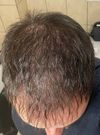
The user is starting a hair loss treatment using a mix of coconut oil and rosemary oil, combined with microneedling. They plan to post results in 6 months.
L'Oréal Garnier discontinued their stemoxydine serum, raising concerns about the authenticity of products still sold online. Alternatives suggested include other brands' stemoxydine products, though some believe stemoxydine is ineffective.
The conversation is about using castor oil for hair loss treatment alongside finasteride and minoxidil. Users discuss the method of consuming castor oil, its potential side effects, and question its effectiveness for hair growth.
The conversation is about finding a source for topical valproic acid for hair regrowth. The user mentions PP405 and the unavailability of products from certain suppliers.
The user's experience with rosemary oil as a hair loss treatment and its effectiveness; they discuss other treatments such as finasteride, minoxidil, and RU58841; there is also discussion of combining oils like peppermint oil, zix, and dermapen.
A bodybuilder discusses homebrewing Minoxidil and RU58841 using propylene glycol or MCT. They inquire about the feasibility and potential risks of these methods.
The conversation discusses using rosemary oil, finasteride, and oral minoxidil for hair loss. Rosemary oil's effectiveness is debated, but it may improve scalp blood flow and hair appearance.
Doctors are testing verteporfin topically for healing and potential regeneration after transplants. The user is asking how it is formulated for topical use, such as if it's mixed with a carrier gel.
The conversation discusses alternatives to RU58841 for hair loss treatment, with suggestions including topical spironolactone, peppermint and rosemary oils, and saw palmetto. The user also considers ordering RU58841 from China but finds it too expensive.
OP has been using alfatradiol and a mix of rosemary, peppermint, and jojoba oils for hair loss, with inconsistent dermapen sessions. They plan to add topical finasteride at 0.025% later.
Elevated PGD2 levels in bald scalp tissue may contribute to hair loss, and treatments like castor oil, finasteride, and minoxidil are discussed as potential solutions. Some users explore alternatives like oral castor oil and cetirizine for those who cannot use finasteride.
The user is using Dutasteride and oral Minoxidil for hair regrowth and is considering adding topical Minoxidil but is allergic to propylene glycol, which is present in the product they found. They need a solution with tretinoin that does not contain propylene glycol.
The conversation discusses Melatonin's potential benefits for AGA and a product called "Asatex" by ASATONA AG. The company was uncooperative when contacted for purchase inquiries.
People are discussing making their own PP405 for hair loss treatment using JLX069 and DMSO. There is skepticism about the safety and effectiveness of this homemade solution, with some users expressing concerns about potential risks.
The conversation is about the FDA approval of WINLEVI for acne treatment and the anticipation of Breezula, a hair loss treatment using the same active ingredient, which may indicate a positive future for Breezula's release. There is disappointment that Breezula's results are not optimal, but it is seen as progress in hair loss treatment.
People often turn to natural remedies like saw palmetto and rosemary oil for hair loss, but these are not as effective as FDA-approved treatments like finasteride and minoxidil. Some users express concerns about potential side effects of finasteride, while others share positive experiences with it.
Use rosemary oil 2-3 times a week, ideally after derma rolling, for optimal results. This routine can complement other treatments like Minoxidil, finasteride, or RU58841.
The conversation is about sourcing gray market compounds, gt20029 and pp405, for hair loss treatment. The user is interested in these compounds despite their unproven status and potential risks.
Supplements like saw palmetto or pumpkin seedoil may target the remaining 10% of DHT not affected by Dutasteride. Users discuss whether these supplements are beneficial when already using Dutasteride.
PP405 is a safer alternative to JXL069 for hair loss treatment because it penetrates the skin effectively and degrades in the blood, avoiding systemic toxicity. JXL069, when forced into the body, can cause dangerous side effects like lactic acidosis due to its inability to degrade safely.
The conversation is about the effectiveness of Minoxidil formulations with different alcohol and propylene glycol (pg) ratios. The user finds that a formulation with 20% pg and 80% ethanol dries faster but is concerned about absorption time.
A user applied the 8T3 product for hair loss, targeting LPP and AGA, and plans to update on its effectiveness. The product uses a saline buffered phosphate vehicle, suitable for those intolerant to ethanolic vehicles.
The conversation discusses using brewer's yeast for hair regrowth, either as a supplement or in a scalp masque. The user is considering adding it to their regimen.
Cyperus rotundus oil is suggested as a natural treatment for androgenic alopecia, potentially inhibiting hair growth without affecting testosterone levels. The conversation questions its effectiveness and safety for scalp use.
The conversation is about a user's hair transformation using a routine that included dermastamping, minoxidil, finasteride, ketoconazole, and rosemary oil. The user later stopped using minoxidil and rosemary oil due to greasiness, continuing with finasteride, dermastamping, and ketoconazole.
The user has been using finasteride (2mg daily) to halt hair loss and is considering dermarolling with essential oils (Rosemary, Thyme, Peppermint, Tea Tree, Lavender, Jojoba) to restore the hairline. They are hesitant to use Minoxidil due to concerns about losing gains if they stop.
The conversation is about a homemade hair loss treatment serum containing Procyanidin B2, Aloe Vera Gel, Coconut Oil, Castor Oil, and Rosemary Essential Oil. The main concern is finding an affordable source of Procyanidin B2 and ensuring its stability in the serum at room temperature.
The conversation is about creating a topical finasteride solution without minoxidil, using an alcohol-based base like ethanol. The discussion includes using finasteride in powder form and mentions adding ingredients like glycerol, salicylic acid, or castor oil.
The conversation discusses DHT blocking treatments for hair loss, specifically mentioning Minoxidil, Finasteride, and organic flaxseed oil containing omega-3 fatty acids. It highlights skepticism about alternative treatments and emphasizes the proven effectiveness of Finasteride and Dutasteride.
A user discusses an Iranian hair loss treatment brought by their mom, questioning its effectiveness. Replies mention that Kopexil, an ingredient in the product, is different from Minoxidil and less tested.