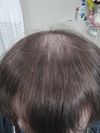
User experienced hair growth after 11 months using 15% Minoxidil, topical and oral Finasteride, and Ketoconazole Shampoo. Hair remained full even while using steroids and SARMs.
The user started using minoxidil and finasteride for hair loss treatment six months ago, with some improvement in mental health and manageable side effects. They are considering switching minoxidil brands due to dissatisfaction and are focusing on stress management and lifestyle changes to improve scalp health.
User hides baldness with side hair growth, others suggest it looks good but may not work in all conditions. Some recommend starting treatment or considering a hair transplant.
Hair thinning possibly due to rapid weight loss and dietary changes, with no nutrient deficiencies found. The user is taking vitamins and considering seeing a hair specialist to promote regrowth.
A user who shared progress pictures of their scalp using a microscope camera, demonstrating the difference between healthy and miniaturized hair. Various explanations for the cause of this were discussed, such as DHT build-up in scalp sebum causing an autoimmune response leading to inflammation and eventual hair loss, with some suggesting a do-it-yourself treatment involving adding ascorbic acid powder to shampoo.
A 33-year-old experienced hairline improvement using finasteride and minoxidil, later stopping minoxidil while continuing ketoconazole shampoo. Initial side effects included shedding, reduced libido, and anxiety, but these resolved, leading to a full hairline recovery.
A 24-year-old male is experiencing hair thinning and feels hopeless, considering treatments like finasteride and minoxidil but is concerned they might not work. He is also contemplating a dermatologist visit and is unable to afford a hair transplant.
Hair fibers can effectively cover thinning hair when used with minoxidil and hairspray but require daily application and can be inconvenient in certain conditions. Some users prefer treatments like finasteride, dutasteride, microneedling, or wigs due to the maintenance and limitations of hair fibers.
A 21-year-old is experiencing hair thinning and is using oral finasteride and topical minoxidil, considering adding oral minoxidil. They are unsure if the condition is androgenetic alopecia (AGA) or telogen effluvium (TE) and are advised to continue treatments and get a blood test.
A 20-year-old experiencing hair loss was diagnosed with androgenetic alopecia and prescribed finasteride, minoxidil, and multivitamin/zinc pills. They are considering starting finasteride and minoxidil daily to maintain their hair and stop further loss.
The user is experiencing good hair regrowth using topical minoxidil, oral finasteride, biotin, and ketoconazole shampoo. They are curious about when the regrowth will plateau.
A user claims to have reversed baldness, possibly due to telogen effluvium recovery after weight loss. Others discuss the potential success of using GHK-Cu for hair regrowth.
Hair loss and potential treatments, primarily focusing on Finasteride and Minoxidil. Other solutions discussed include PRP, dermarolling, LLP, and scalp tension relief.
A 23-year-old male is using topical minoxidil and oral finasteride for hair regrowth, noticing some progress on his temples and seeking advice on whether this indicates overall scalp improvement. Users suggest patience, as regrowth can take time, and advise against a hair transplant, noting that the current treatment seems effective.
The user is experiencing hair thinning despite using finasteride and minoxidil for over a year and is considering alternatives like dutasteride, RU58841, or mesotherapy. They are concerned about maintaining their hair until their mid-20s and are seeking suggestions for additional treatments.
The user is experiencing hair thinning at the front of the scalp and is seeking advice on regrowing long curly hair. They are considering treatments like Minoxidil, finasteride, and RU58841 to prioritize hair regrowth.
A user shared their 30-month hair loss progress using Minoxidil, finasteride, and RU58841. They also discussed hair transplants as an option for future hair loss.
The user experienced subtle hair growth improvements using finasteride, dutasteride, and minoxidil over nearly three years, with notable progress at the temples. The front hairline shows quicker regrowth cycles, but the vertex and crown remain unchanged.
A 21-year-old female shared her 4-month hair growth progress using Minoxidil 5%, finasteride 1mg, Theradome LLLT, Viviscal vitamins, and PRP treatments twice. Commenters praised her progress and discussed other treatments like microneedling, but she noted her dermatologist advised against it due to potential scalp damage.
A user reports hair regrowth at the temples after starting 0.33g of finasteride every other day in January, combined with weekly microneedling sessions. They experienced sexual side effects at higher doses, which improved with a lower dose and supplements like broccoli extract and l-citrulline.
User noticed balding 3 years ago and started using finasteride 11 months ago. Recently tried Toppik hair fibers, which improved appearance and boosted confidence.
Hair regrowth after chemotherapy varies; some experience thinner or differently colored hair, while others may see fuller regrowth. Treatments like essential oils, vitamins, and lifestyle changes are discussed, but no specific medications like Minoxidil or Finasteride were used by the original poster.
A user shared their experience with hair loss treatments, including topical minoxidil, finasteride, RU58841, and microneedling, noting significant hair regrowth except at the hairline. They plan to start oral minoxidil and switch to a combination treatment, while another user mentioned that some miniaturized hairs may not fully recover.
A 38-year-old man experiencing rapid hair loss plans to try minoxidil and a derma roller, and may consider finasteride if there's no improvement in six months. He seeks advice on genetic hair loss, baseline baldness, dandruff shampoo, and alternative treatments like tea tree oil and rosemary oil.
Hair regrowth from treatments like minoxidil, RU58841, and finasteride is not permanent; stopping these treatments typically results in hair loss resuming. Beard hair can become permanent with minoxidil use, unlike scalp hair, which requires ongoing treatment to maintain gains.
A 19-year-old male using 1 mg finasteride every two days for hair loss reports no side effects and believes maintaining his current hair condition is progress. Some users see no difference in hair regrowth, attributing changes to lighting.
The user has been experiencing diffuse hair thinning despite using finasteride, minoxidil, dermarolling, clobetasol cream, and PRP sessions. They seek advice on additional treatments and are advised to check vitamin D, iron, and thyroid levels.
The person is experiencing hair regrowth with some hairs falling out after reaching 1.5-3 inches and others growing slowly; they are using finasteride, minoxidil, rosemary-mint oil mask, Nirozal, egg mask, and microneedling as treatments. They stopped using rosemary water due to hair darkening.
A 31-year-old experiencing rapid hair loss is considering whether to shave their head or use treatments. They were prescribed B12, topical finasteride 0.1%, and minoxidil 10% but are unsure about the correct dosage and potential side effects.
The conversation is about hair loss treatments, specifically discussing the effectiveness of Red Ginseng Extract in promoting hair growth. Other treatments mentioned include Minoxidil, finasteride, and RU58841.