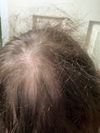
Small hairs around the hairline may regrow with continued use of minoxidil, finasteride, and ketoconazole. The user is hopeful about hairline improvement.
After 12 years of success with oral finasteride and topical minoxidil, the user is experiencing hair thinning and scalp discomfort. They are considering options like switching to oral minoxidil, adding dutasteride, or using ketoconazole shampoo, topical caffeine, rosemary serum, and supplements.
A 19-year-old discusses feelings of envy towards men with full heads of hair, sharing their experience with hair loss since age 16. They have been using oral minoxidil and topical finasteride for two years, with initial improvement but continued shedding, and are considering switching to dutasteride.
A 23-year-old is experiencing hair that is thick at the ends but thin at the roots despite using minoxidil and finasteride for 10 months. They are concerned about whether this is normal or a sign of miniaturization and seek advice on reversing or improving the condition.
A user shared their hair recovery progress from ages 25-31, attributing success to quitting smoking, minoxidil, microneedling, and hormone therapy. They also mentioned being transgender and using hormone therapy.
A 20-year-old is experiencing hair thinning despite using minoxidil inconsistently for 1.5 years and is considering adding finasteride due to concerns about side effects. They are unsure whether to increase minoxidil application, start finasteride, or if the hair loss is exaggerated in their perception.
A user shared their 4-year hair loss journey, starting with finasteride and minoxidil, then adding dutasteride and oral minoxidil, which improved their hair. They are now considering RU58841 and a hair transplant in the future.
The user experienced significant hair darkening and progress in hair regrowth over six months using 5% topical minoxidil, 5 mg oral minoxidil, 1 mg finasteride, and weekly microneedling. No side effects were reported from these treatments.
A user is considering starting treatments like Finasteride, Minoxidil, and Microneedling for hair thinning, despite stable hair loss for over 8 years. They are unsure if the presence of miniaturized hairs indicates potential for regrowth or if they should accept the current state.
Oral minoxidil may cause facial puffiness or aging in some users, but results vary. Many users experience positive hair growth and stress the importance of skincare and a healthy lifestyle.
The conversation discusses struggles with diffuse thinning and hair loss treatments, including the use of dutasteride, minoxidil, and finasteride, with limited success. The original poster regrets having a hair transplant at 21 due to weak donor hair and ongoing thinning.
An 18-year-old noticed significant hairline recession and is concerned about further hair loss. They plan to improve their lifestyle and are advised to use finasteride and minoxidil and consult a dermatologist.
A 24-year-old male started using finasteride, minoxidil, biotin, and vitamin D for hair loss but noticed worsening thinning and white patches on his temples. He seeks advice on improving his regimen, which includes topical minoxidil and a shampoo for seborrheic dermatitis.
The user started using minoxidil at 18 and finasteride at 19, but at 22, their hair is still getting worse. Some suggest trying dutasteride and RU58841, while others advise accepting hair loss and keeping hair short.
A 36-year-old is concerned about early hairline recession despite no family history of hair loss. They are considering treatments like finasteride, minoxidil, and ketoconazole shampoo but are worried about potential side effects and are seeking natural alternatives.
User "tresslessatbest" shares her experience with androgenic hair loss and treatments. She found success using men's Rogaine 5%, spironolactone, dermaroller, biotin, blackcurrant seed oil, prenatal vitamins, and Nizoral shampoo.
Minoxidil, finasteride, dutasteride, and copper peptides are discussed as treatments for hair loss, with users sharing experiences and concerns about side effects and effectiveness. Oral minoxidil and dutasteride are suggested for better regrowth, while topical minoxidil caused irritation for some.
Finasteride is recommended for hair loss starting at age 17, with some users suggesting starting even earlier. Minoxidil is also suggested as an option, while lifestyle changes like diet and exercise are noted as beneficial for health but not effective for slowing genetic hair loss.
A 34-year-old has been using finasteride for 18 months and minoxidil for 3 months, along with ketoconazole shampoo, supplements, and microneedling, to address hair loss. They report stabilized hair loss, thicker hair in previously miniaturized areas, and new hair growth along the hairline.
A 21-year-old is experiencing hair thinning and is using oral finasteride and topical minoxidil, considering adding oral minoxidil. They are unsure if the condition is androgenetic alopecia (AGA) or telogen effluvium (TE) and are advised to continue treatments and get a blood test.
The conversation is about hair regrowth progress using topical finasteride and minoxidil twice daily, with occasional microneedling. The user also uses Minoxidilmax and WOW Skin Science Apple Cider Vinegar Shampoo.
A 20-year-old is experiencing aggressive hair loss and is using oral finasteride, topical minoxidil, tretinoin, rosemary oil, and dermarolling in an attempt to manage it. They are concerned about their appearance and future hair loss, seeking advice on additional treatments.
The user is considering starting minoxidil or getting their scalp checked for permanent scarring due to noticing thinner hair after bleaching. They are seeking advice on hair loss remedies.
The conclusion of the conversation is that the user has tried various medications and treatments for hair loss, including minoxidil, finasteride, microneedling, and nizoral shampoo, but has not seen any progress. They have decided to shave their head. Other users suggest options such as hair transplants, RU58841, hair units, and scalp micropigmentation.
Men losing hair at a younger age, with theories including lifestyle factors like diet, pollution, and technology use. Treatments mentioned include Minoxidil and finasteride.
The user began experiencing hair loss a few years ago at age 22 and is a diffuse thinner with a Norwood scale rating of 2. They have a naturally athletic build and gain muscle easily, with a hairy chest and stomach.
A person dealing with hair loss is considering shaving their head, using scalp micropigmentation to cover a FUT scar, or trying a hair system. They are also contemplating treatments like minoxidil, finasteride, and dutasteride.
A 20-year-old reports worsening hair loss despite using dutasteride and minoxidil, and considers a hair transplant. Users suggest continuing treatments, trying microneedling, ketoconazole shampoo, switching to finasteride, or adding tretinoin.
Hair loss treatments discussed include Minoxidil, finasteride, and RU58841. The conversation humorously reflects on past hair loss solutions and the potential of hair cloning.