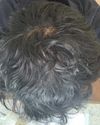
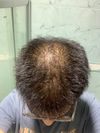
A 23-year-old experiencing hair loss tried olive oil, coconut oil, and hair growth shampoos without success. They are seeking advice on whether to start treatments like Minoxidil, finasteride, or RU58841.
After 11 years on Finasteride, a user's hair is thinning again, suggesting hair may become more sensitive to DHT with age. They plan to introduce Dutasteride once a week, as they cannot tolerate Minoxidil.
Hair loss treatment with latanoprost, minoxidil, and biotin showed progress. Latanoprost, a glaucoma drug, stimulates anagen phase and increases conversion of vellus hair to terminal hair.
Stopping hair loss treatments like finasteride and minoxidil can result in losing regrown hair, highlighting the importance of consistent use. Restarting these treatments may cause temporary shedding, but hair can regrow with continued use.
Minoxidil may cause skin aging effects like wrinkles and dark circles, but evidence is mixed. Alternatives like dermarolling and retinol are suggested.
A 21-year-old male has been using minoxidil for 7 months but notices worsening hair loss, including increased visibility of the crown, overall thinning, and a receding hairline. He previously used finasteride and is considering restarting it, questioning if long-term shedding is normal and when to expect results.
The user regained hair and reduced forehead size using a routine of 1mg finasteride, 5mg minoxidil, topical minoxidil twice daily, tretinoin before minoxidil, derma stamping weekly, red light therapy daily, and ketoconazole shampoo thrice weekly. They experienced initial side effects with finasteride but adjusted the dosage over time.
A user shared their 4-year hair loss journey, starting with finasteride and minoxidil, then adding dutasteride and oral minoxidil, which improved their hair. They are now considering RU58841 and a hair transplant in the future.
The conversation is about a user's impressive hair recovery over 14 months using 0.5mg dutasteride, 5% topical minoxidil, saw palmetto shampoo, and occasional microneedling. The results are highly praised by others, with many expressing admiration and hope for similar outcomes.
A user is experiencing severe hair loss and dandruff, trying various treatments including Minoxidil, Nizoral 2% Ketoconazole, Neutrogena T/Gel, coconut oil, baby shampoo, apple cider vinegar, aloe vera gel, and tea tree oil. They believe the issue is not genetic and are seeking advice and solutions.
A 17-year-old is addressing hair loss with finasteride, topical minoxidil, and microneedling. They are considering adding GHK-Cu to their regimen, but others advise caution with finasteride due to age.
Hair loss advice: get a shorter haircut and use hair building fibers like Toppik to improve appearance. User on big 4 treatments: Minoxidil, dermapen, Nizoral, and finasteride.
Balding scalps have more androgen receptors, leading to increased TGF-beta, which causes blood vessel loss and hair follicle miniaturization. Blocking androgen signaling and TGF-beta may help prevent hair loss.
A 17-year-old is experiencing hair loss and is considering using Minoxidil and Finasteride. They are questioning if Minoxidil alone is sufficient or if Finasteride is necessary.
Shedding is common when using finasteride and minoxidil, and it typically stabilizes after a few months, with potential regrowth following. Users report varying experiences, but shedding is generally seen as a normal part of the treatment process.
A 31-year-old man shares his 4-month hair regrowth progress using topical minoxidil, topical finasteride, microneedling, biotin, and other supplements. He reports new hair growth despite experiencing side effects from finasteride and plans to continue his regimen for further improvement.
The user has been experiencing diffuse hair thinning despite using finasteride, minoxidil, dermarolling, clobetasol cream, and PRP sessions. They seek advice on additional treatments and are advised to check vitamin D, iron, and thyroid levels.
The user experienced an elevated heart rate from using topical Minoxidil and discontinued its use. They found that adding a daily protein shake helped with telogen effluvium.
Hair loss treatments include finasteride, minoxidil, alfatradiol, vitamins, red light therapy, ketoconazole shampoo, meditation, green tea, leg workouts, and silk pillows. Genetics is emphasized as the primary factor in hair health, with some humor about unconventional methods like drug use affecting hair loss.
The conversation is about a 19-year-old female experiencing hair loss, potentially due to deficiencies in iron, ferritin, and vitamin D. She is considering iron and vitamin D supplementation and exploring dietary changes, while also planning to consult a dermatologist when possible.
An 18-year-old male is experiencing significant hair shedding, particularly from the back of his head, despite normal blood test results except for slightly low vitamin D. A dermatologist prescribed minoxidil for receding temples, but the cause of the shedding remains unclear.
A 20-year-old female is experiencing hairline loss and seeks effective natural remedies or affordable drugstore treatments. She has tried flax seeds and aloe vera without success.
Hair looks thinner in sunlight, and users discuss using hair fibers, minoxidil, finasteride, and considering dutasteride for hair loss. Hair fibers like Toppik help conceal thinning, and some users suggest additional treatments like derma stamping and micro-needling.
The conversation is about sourcing gray market compounds, gt20029 and pp405, for hair loss treatment. The user is interested in these compounds despite their unproven status and potential risks.
A user shares their positive experience of embracing baldness, noting increased attractiveness and dating success after shaving their head. They encourage others to consider going bald instead of relying on medications like Minoxidil, finasteride, or RU58841.
Oral minoxidil may cause facial puffiness or aging in some users, but results vary. Many users experience positive hair growth and stress the importance of skincare and a healthy lifestyle.
PP405 is moving to late-stage trials, showing potential for hair regrowth, with 31% of male patients experiencing a 20% increase in hair density. Veradermics is developing an oral minoxidil version, and there is interest in combining treatments for better results.
A 20-year-old experiencing hair loss uses minoxidil, Nizoral shampoo, vitamin D, and biotin. They are considering finasteride or dutasteride and are advised to consult a doctor for diagnosis and possible oral treatments.