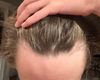
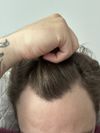
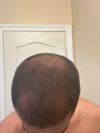
A 17-year-old female is worried about hair loss, noticing thinning and bald spots. She plans to try burdock oil and castor oil, and if needed, Jamaican castor oil.
A 17-year-old is experiencing hair shedding and is concerned about a receding hairline, using hair products like powder and sea salt spray. Advice given includes maintaining good nutrition, ensuring hair products don't build up, and considering further resources if worried.
Baldness is difficult to cure because current treatments like finasteride, dutasteride, and minoxidil only prevent hair shedding, and new developments are mostly ineffective. Botox shows potential in aiding skin regeneration and hair growth, but maintenance therapy with treatments like dutasteride and minoxidil may still be necessary.
Young individuals with seemingly healthy hairlines are using treatments like finasteride, dutasteride, and minoxidil, possibly due to paranoia or proactive prevention of hair loss. Some believe social media influences this behavior, while others argue for waiting until actual hair loss begins before starting treatment.
A 20-year-old reports worsening hair loss despite using dutasteride and minoxidil, and considers a hair transplant. Users suggest continuing treatments, trying microneedling, ketoconazole shampoo, switching to finasteride, or adding tretinoin.
A user humorously questions if they should shave their head due to hair loss, mentioning Ronald Reagan's impressive hair genetics. Replies include jokes and comments about jealousy and distrust towards older individuals with full heads of hair.
A 28-year-old is assessing their hair loss on the Norwood scale, considering adding topical minoxidil and dermastamping to their current regimen of oral finasteride and minoxidil. They feel their hair loss is worsening and seek opinions on their condition.
A user is experiencing hair loss at NW 5 and is using finasteride, which is causing side effects like dry eyes and loss of libido. They are considering continuing with minoxidil and finasteride or opting for a hair transplant, feeling depressed about their situation.
A 28-year-old is experiencing worsening hair loss despite using finasteride, minoxidil, microneedling, Nizoral, Selsun Blue, and supplements. Suggestions include trying Dutasteride or considering a hair transplant if no improvement is seen by the two-year mark.
Quercetin might help with hair loss by inhibiting HSP-70, which increases androgen receptors. Concerns include its staining properties and unclear topical absorption.
The user shaved their head and noticed some hair regrowth and thickening due to Minoxidil and finasteride. They are content with their hair loss and have accepted it, while also observing that others don't notice the thinning as much as they do.
Corticosterone inhibits GAS6, affecting hair follicle stem-cell activity, with potential implications for stress-related hair loss. Ashwagandha and Vitamin K are suggested for reducing cortisol, but their effectiveness is debated.
A 21-year-old male is experiencing hair shedding, possibly due to stress from a breakup, and is using minoxidil and drinking green tea to address it. Others suggest stress as a cause and recommend consulting a dermatologist if it persists.
A 19-year-old shared progress on hair regrowth after using minoxidil for a year and starting finasteride. Users discussed the effectiveness and side effects of these treatments, with some expressing concerns about potential side effects and others sharing positive experiences.
A user shared their positive experience with hair regrowth using finasteride, genuine minoxidil, and dermastamping, noting significant improvement after switching from a fake minoxidil product. They advised others to verify the authenticity of minoxidil through a bleach test to avoid counterfeit products.
A 40-year-old male has been using 5% minoxidil foam twice daily, 1mg finasteride, and a weekly derma roller for 2.5 months to address hair loss. It's suggested to stay consistent, as noticeable changes typically occur around 8 months.
A 22-year-old male experiencing thinning hair seeks natural remedies, avoiding minoxidil and finasteride due to potential side effects. Suggestions include using rosemary oil with microneedling, vitamins, and considering minoxidil for regrowth, while others emphasize finasteride as the most effective option for maintaining hair.
A 22-year-old experiencing severe hair loss is considering using Minoxidil and finasteride despite initial reluctance, and is also using vitamins and micro-needling. They are contemplating a hair transplant but are advised to wait until at least age 30.
People are hopeful for a permanent hair loss solution by the 2030s, considering options like hair cloning and treatments like pp405. Synthetic hair transplants have been attempted but are not effective long-term.
User is a Norwood 2-2.5, using 1.25 mg finasteride and 5% minoxidil lotion daily since June last year, experiencing significant regrowth. They are considering additional treatments like saw palmetto, microneedling, dutasteride, aminexil, stemoxydine, mesotherapy, ketoconazole shampoo, and alfatradiol to improve hair thickness.
The conversation discusses using a multimodal approach to treat androgenic alopecia, including substances like gamma-linolenic acid, DHA, sulforaphane, melatonin, cetirizine, astaxanthin, fisetin, apigenin, curcumin, limonene, genistein, and berberine. Users also mention using ketoconazole, minoxidil, and low-level laser therapy (LLLT) as part of their hair loss treatment regimens.
Rhamnose may promote hair growth and pigmentation, suggesting it as a potential hair loss treatment. The conversation discusses its potential alongside known treatments like Minoxidil, finasteride, and RU58841.
A 20-year-old male experiencing hair thinning uses 1mg finasteride and 2.5mg minoxidil daily, and seeks styling advice to hide frontal scalp thinning. Recommendations include using hair powder, mousse, sea salt spray, and matte clay, along with specific styling techniques like blow-drying and using a detangling brush.
Ginkdaripper has accepted going bald and shared their journey of using Minoxidil and Finasteride to help with hair loss, while emphasizing that there are more important things in life. They have also encouraged others to find their own path towards peace with their hair loss.
A 40-year-old considering a hair transplant after using finasteride and oral minoxidil for hair maintenance. They have maintained hair well with these treatments and seek opinions on whether a transplant would improve their appearance.
A 15-year-old experiencing hair loss and anxiety is using minoxidil and microneedling but is advised against starting finasteride or dutasteride due to age. The discussion emphasizes consulting a doctor, considering hormonal evaluations, and exploring non-medication coping strategies.
A clean diet, including cutting sugar, gluten, and dairy, improved hair health and reduced shedding for a user on oral minoxidil and finasteride, but reverting to an old diet worsened hair condition. While diet impacts hair health, genetic factors and treatments like topical ketoconazole and hydrocortisone are also important for managing hair loss.
The conversation discusses hair thinning and the potential role of vitamin D deficiency in hair loss, with suggestions to take vitamin D3 supplements. The user also mentions having diffuse thinning and a slightly receding hairline.
User noticed thinning hair at 18-19, started finasteride at 22 and minoxidil at 24, with positive results. Others shared hair loss experiences and treatments, including finasteride, minoxidil, and hair transplants.
The conversation discusses hair loss treatments, with users sharing experiences and opinions on finasteride, minoxidil, and other methods. Many recommend finasteride for its effectiveness, while others express concerns about side effects and emphasize the importance of acting quickly to address hair loss.