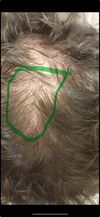
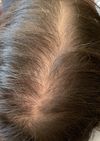
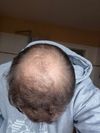
A user successfully improved their hairline after 15 months using topical minoxidil and dutasteride. Some commenters question the necessity of treatment given the user's original hair condition, while others support early intervention.
A 27-year-old is experiencing hair thinning and plans to consult a dermatologist for advice. No treatments like Minoxidil, finasteride, or RU58841 have been used yet.
An 18-year-old is experiencing significant hair loss and is concerned about treatment options, including finasteride, minoxidil, and dutasteride, due to potential side effects and costs. They are also taking vitamins for deficiencies and considering alternatives like hair transplants or embracing the bald look.
The user has been dealing with hair loss since middle school and has tried various treatments like mesotherapy, PRP, and red light therapy without success. Currently, they use minoxidil, finasteride, and dutasteride but are considering a hair transplant due to limited improvement.
A user shared their 2-year hair recovery journey using minoxidil, microneedling, finasteride, iron, zinc, selenium, cyproterone, and estrogen. They started losing hair at 15 and are now 24.
A user shares their struggle with hair loss despite trying treatments like finasteride, minoxidil, and dutasteride, and expresses frustration over ineffective medical advice and a failed hair transplant. Others in the conversation suggest alternative treatments, acceptance of baldness, and focusing on other life aspects.
A user with long-term hair loss has been using topical minoxidil, finasteride, RU58841, ketoconazole, and dermastamping for 8 months. They are unsure if the new hairs are miniaturized or vellus.
The conversation discusses using scalp massage, balms like Ethera and L'Occitane, and dietary changes such as rosemary tea and tofu to address hair loss. The user is also considering high-intensity interval training and slow breathing to improve hair regrowth.
The user experienced significant hairline improvement after 2 months using 1 mg Finasteride and topical Minoxidil, with only initial shedding as a side effect. The progress is notable, with the user returning from near Norwood 2 to Norwood 1, and they use Rogaine for topical application.
The conversation is about a 25-year-old considering whether to start using hair loss treatments like Minoxidil, finasteride, or RU58841, or to shave his head. He is seeking advice due to his family history of baldness.
Transgender hormone therapy, including Estradiol Valerate, Spironolactone, and Progesterone Micronized, can reverse male pattern baldness and improve hair health. The user shares their positive experience with hair regrowth after transitioning from male to female.
A man shared his hair regrowth progress from 2020 to 2024 using finasteride, minoxidil, microneedling, and a good hair care routine. People reacted positively, asking about specific treatments and tools used, and he received compliments on his natural-looking results.
A 28-year-old woman is struggling with Female Pattern Baldness and has tried various treatments, including Minoxidil and Spironolactone, without success. She feels frustrated with doctors' responses and is considering alternative treatments like light therapy but is losing hope in finding a solution.
A 44-year-old is using dermarolling, topical minoxidil, and finasteride for hairline concerns, noticing fine hairs after 4 months. Others believe his hairline is already excellent for his age.
DHT sensitivity at the scalp increases with age, contributing to androgenic alopecia. Treatments like Minoxidil, finasteride, and RU58841 are discussed for managing hair loss.
The user experienced significant hair regrowth using a topical solution of minoxidil 5% and finasteride 0.1% over 100 days, with plans to continue for a year before switching to a maintenance dose. Despite skepticism from others about using hair fibers, the user insists on the authenticity of their progress and reports no side effects from the treatment.
The conclusion of the conversation is that the user should consider using treatments such as finasteride, minoxidil, and RU58841 to potentially reverse their hair loss. Other suggestions include using hair loss concealers and maintaining a healthy diet.
The user reported significant hair regrowth after 8.5 months using Minoxidil, Finasteride, and initially Biotin, with a 50% reduction in the balding crown area. They are considering either a hair transplant for further improvement or embracing a bald look, feeling confident they could pull it off.
The conversation is about coping with hair loss and using treatments like finasteride, minoxidil, derma-rolling, RU58841, and hair transplants or systems. The main message is to do your best with available treatments and not let hair loss prevent you from enjoying life.
A 30-year-old is starting finasteride and continuing with topical minoxidil to regrow hair. They are seeking advice on the potential effectiveness of this treatment combination.
The post discusses a hair loss treatment regimen including oral finasteride, topical minoxidil, a rejuvenating scalp serum with caffeine, rosemary, and ginger, topical ketoconazole, saw palmetto, and derma rolling. The user seeks advice for scalp pimples and irritation.
User experienced telogen effluvium and diffuse thinning, started using 5% minoxidil two months ago, and resolved several deficiencies. They report noticeable improvement in hair health and plan to update progress in a month.
The conversation discusses severe hair loss, possibly due to telogen effluvium or male pattern baldness, lasting over three years. Suggested treatments include minoxidil, finasteride, and dermarolling, with a recommendation to consult a dermatologist.
A 24-year-old scaled his company to over $100k MRR but experienced hair loss, attributing it to stress and genetics despite using treatments like Dutasteride and Minoxidil. Many suggest embracing baldness, focusing on health, or considering additional treatments like Finasteride, while others debate the impact of stress versus genetics on hair loss.
User is depressed about hair loss despite using topical minoxidil for 5 months and topical finasteride for 2 months, with no improvement. Others suggest trying oral finasteride, seeing a specialist for dandruff and oily scalp, and being patient.
The conversation discusses androgenic alopecia (AGA) and its treatments, focusing on finasteride, minoxidil, and ketoconazole shampoo. Finasteride is recommended as essential for preventing further hair loss.
The conclusion of the conversation is that the user has made significant progress in their hair loss treatment using a combination of oral minoxidil, topical minoxidil, RU58841, dutasteride, dermarolling, and scalp massage. Other users have praised their progress and recommended different treatments.