Search
for
Sort by
Community Join
330-360 / 1000+ resultscommunity Extreme Shedding After Increasing Minoxidil Dose to 2.5mg
A 23-year-old male experiencing extreme hair shedding after increasing oral minoxidil to 2.5mg, previously used finasteride and dutasteride with minoxidil. Shedding is likely a common "minoxidil shed," indicating potential new hair growth.

community 21M on Finasteride & Topical Minoxidil: Is My Frontal Thinning AGA or TE?
A 21-year-old is experiencing hair thinning and is using oral finasteride and topical minoxidil, considering adding oral minoxidil. They are unsure if the condition is androgenetic alopecia (AGA) or telogen effluvium (TE) and are advised to continue treatments and get a blood test.
community My dad’s progress over the past four months
A 60-year-old man experienced significant hair regrowth over four months using a topical solution with finasteride 0.3% and minoxidil 6%. The progress is impressive, especially given his 20-year history of a bald spot.
community If hair thinning is in early stages, is minoxidil shed less brutal?
community 46M: 1.6yrs progress of hair regrowth
A 46-year-old shared 1.6 years of hair regrowth progress using a regimen that includes Minoxidil, Finasteride, and possibly other treatments. Suggestions included considering a hair transplant, using dutasteride, and adding tretinoin for further improvement.
community Skin Aging and Minox
community 8-9 Month Update. 24M Korean Diffuse Thinner
The conversation discusses a 24-year-old Korean man's progress with hair loss treatments over 8-9 months, with specific treatments not mentioned due to redacted information. Users are commenting on the effectiveness and inquiring if Asians have better results with hair loss treatments.
community 4.5 Months on Finasteride And Minoxidil
community Is this Progress? - NW7 Diffuse going for the comeback. (49M)
A 49-year-old is using finasteride, minoxidil, tretinoin, and ketoconazole shampoo to combat advanced hair loss and hopes for enough regrowth to consider a hair transplant. Progress is slow, but some improvement is noted by others.
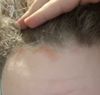
community Worsening Hair Thinning Despite Finasteride and Minoxidil Routine (20M)
A 20-year-old is experiencing worsening hair thinning despite using finasteride for 3 weeks and minoxidil for about a year, though inconsistently. They are seeking advice on how to proceed with their hair loss treatment.
community I got my blood test results, my Thyroid and Ferritin are good but Vitamin D is 11.1 I started topic minoxidil yesterday (5%)
The user has androgenetic alopecia (AGA) and low Vitamin D levels, and they started using topical minoxidil (5%). They are considering finasteride but are concerned about side effects and are advised to seek mental health support.
community 195-day update. 41 years old. So far so good.
A 41-year-old shared their 195-day hair loss treatment progress using finasteride and minoxidil, initially topical and later oral, along with microneedling. They reported positive results and expressed satisfaction with the current regimen.
community 18M Diffuse Thinning Progress: 11 Months Oral Minoxidil + 3 Months Vit D3/ K2 (No DHT Blockers)
community 6 month update of 1 mg fin only
A user shared a 6-month hair loss progress update using 1 mg finasteride, plans to start minoxidil and RU58841 due to severe shedding, and seeks advice. Others suggest maintaining treatment, switching to different medications, and considering more aggressive treatments due to strong genetic predisposition to baldness.
community 4.5 Month Update, 21m, 5mg Min + 1mg Dut
A 21-year-old is using 5mg Minoxidil, 1mg Dutasteride, Nizoral, and occasional microneedling for hair loss, seeing improvement on the left side of the scalp. They stopped microneedling due to scalp inflammation and are awaiting a dermatologist appointment.
community 16 and diffuse thinning, screw this
A 16-year-old experiencing diffuse hair thinning is considering using minoxidil and plans to start finasteride at 18, while others suggest alternatives like saw palmetto and pumpkin seed oil. Users advise consulting a doctor before starting treatments and emphasize the importance of understanding the cause of hair loss.
community Topical fin/min/ tret hairline gotten worse after 15 months
The user has been using a combination spray with 0.1% finasteride, 5% minoxidil, and tretinoin for over a year but feels their hairline has worsened. They are considering increasing the concentration of finasteride and adding 5% minoxidil once a day.
community Melatonin a possible tool to help fight AGA hair loss.
Topical melatonin may help reduce hair loss and increase hair thickness in people with androgenetic alopecia (AGA), with some studies showing positive results. It can be mixed with minoxidil for application, and its effectiveness might be enhanced when used with micro-needling, but results may vary among individuals.
community 3 Months of 1mg Fin and 2.5mg oral min (17m)
The user has been using 1mg finasteride and 2.5mg oral minoxidil for three months, noticing new blonde hairs but experiencing ongoing shedding. They also use GHK-Cu, which has improved skin but not hair.
community 32M, 5 year progress pictures
The user has been using finasteride, ketoconazole shampoo, oral minoxidil, and minoxidil foam for hair loss but feels their hair is not as thick as desired. They have stopped using RU58841 due to lack of results and are concerned about hair miniaturization despite these treatments.
community Realistic 4 year progress (4 years fin 1 mg, 11 months oral min 2.5 mg)
A user shared their 4-year progress using finasteride (1 mg) and 11 months of oral minoxidil (2.5 mg) for hair loss. They reported thicker, better-quality hair with no side effects and plan to continue the regimen, possibly adding micro-needling and dutasteride.
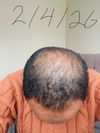
community Male, 40 – 2.5 months on fin + min, any progress?
A 40-year-old male has been using 5% minoxidil foam, 1mg finasteride, and a derma roller weekly for 2.5 months to treat hair loss. He is seeking feedback on whether the treatment is showing progress or if it's too early to tell.
community My mum, 68. She has decided enough is enough and wants to get some hair back.
A 68-year-old woman with iron deficiency and hypertension is considering using 5% minoxidil for hair regrowth and plans to see a dermatologist. Some suggest using wigs and focusing on health, while others recommend checking for hormone imbalances and nutritional deficiencies.
community My 7 month oral minoxidil progress (1mg/day)
The conclusion of the conversation is that oral minoxidil has been effective in saving and restoring hair, but it may have diminishing returns as you age. It is suggested to consider using finasteride in addition to minoxidil for better results.
community 5 months 1mg Fin 4 month 5% Min
A 27-year-old user shared their 5-month progress using 1mg finasteride daily and 5% minoxidil twice a day for hair loss, reporting improved hair growth despite initial shedding and experiencing only minor side effects like watery semen. They also use Nizoral shampoo, take a multivitamin, and plan to start microneedling if progress slows.
community 5.5 months on oral min questions. Please help😭
The user has been on finasteride for over a year and switched from topical to oral minoxidil five months ago, but is unsure if the current shedding and small hairs are signs of improvement or worsening. They are seeking advice on whether to wait longer or switch treatments.
community Can you beat this 104 year old man‘s hair count?
A 104 year old man's impressive head of hair and speculations about how he has been able to maintain it; treatments such as minoxidil, finasteride, RU58841, dutasteride, 5-AR blockers, and other supplements are discussed.
community PSA: Greasy, product laden hair makes the scalp 10x more visible
Greasy or product-laden hair can make the scalp appear more visible, leading some to mistakenly think they are balding. Proper hair washing and avoiding heavy products can help assess true hair thickness, and treatments like finasteride are used by some for actual hair loss.

community Progress Check: 3 Months on Dutasteride (0.5mg) + Minoxidil (2.5mg)
The user is using Dutasteride (90.5mg) and Minoxidil (2.5mg) for hair loss since October 2025 and is seeking feedback on progress by comparing photos from October 2025 and January 2026. They are asking for opinions on whether the treatment shows improvement.