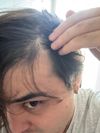
The user's experience with hair loss in their twenties and thirties, how to fix a receding hairline, treatments such as DHT, stress, bad sleep, Minoxidil, finasteride, and RU58841, and diet.
A 19-year-old is struggling with hair loss despite using minoxidil and finasteride, feeling depressed and lacking confidence. Suggestions include trying dutasteride, topical treatments, hair transplants, or accepting baldness.
A user shared their positive experience with hair regrowth using finasteride, genuine minoxidil, and dermastamping, noting significant improvement after switching from a fake minoxidil product. They advised others to verify the authenticity of minoxidil through a bleach test to avoid counterfeit products.
A 22-year-old man shared his experience with hair loss, which began at age 20, and his treatment with finasteride and oral minoxidil, planning to add microneedling. Since experiencing hair loss, he has changed his perspective and now notices other men's hair loss more, viewing them positively, and others in the conversation relate to this shift in perception.
The user is experiencing hair shedding despite starting finasteride 4 months ago, with no signs of miniaturization. They are seeking advice after normal blood tests and similar family experiences.
Astaxanthin (ASX) is highlighted as a promising supplement for treating hair loss due to its antioxidant properties. It may help with inflammation and oxidative stress, which are linked to hair loss and aging.
The user started taking 1 mg finasteride daily in September 2024 and began derma stamping twice a week, noticing progress initially but now experiencing increased scalp visibility. They are considering adding oral or topical minoxidil to their routine for further improvement.
A 29-year-old woman is experiencing gradual hair thinning since age 15, suspects Androgenic Alopecia, and has tried 5% minoxidil with little success. She has purchased various hair loss treatments including minoxidil, dutasteride, finasteride, and spironolactone, but is cautious about starting them due to potential interactions with her ADHD medication.
The conversation discusses the slow transition from baby hair to normal hair while using finasteride and transitioning to dutasteride, with progress except for the crown area. It's mentioned that hair thickening can take years, with each growth cycle potentially making the hair thicker, and this process can span over 6 months or more.
The conversation discusses the perception of increased hair loss among young men, with some attributing it to heightened awareness or environmental factors. Various treatments are mentioned, including Minoxidil, Finasteride, microneedling, scalp massages, and future hair transplant methods.
The conversation is about young men under 20 experiencing hair loss. They discuss their experiences and treatments used, including finasteride (fin) and minoxidil (min).
Finasteride may be losing effectiveness for the user after 4.5 years, possibly due to intense workouts or a synchronized hair shedding cycle. Suggestions include switching to Dutasteride or continuing with Finasteride while considering a hair transplant for hairline density.
A user shared their journey of improving their overall appearance and health after starting to lose hair at 21, which led them to adopt a healthier lifestyle, including better dental hygiene, dieting, and exercise. They used biotin, Rogaine, and finasteride to combat hair loss and emphasized self-improvement despite the possibility of still losing hair.
A 28-year-old male using Tugain 10 minoxidil, Finpecia 1mg finasteride, Cipla Ketoconazole shampoo, and dermarolling 0.5mm weekly for 3-4 months is seeing some hair regrowth. Encouragement is given to continue the regimen.
The user began using topical minoxidil in 2020 without regrowth, then added 0.5mg finasteride, 2.5mg oral minoxidil daily, topical minoxidil/finasteride most days, and weekly micro needling since December 2022. They also use peppermint-infused jojoba oil for hair health and have noticed less gray hair.
Balding can make dating more challenging, especially with superficial attitudes, but confidence and fitness can help. Some embrace shaving their heads, while others focus on self-improvement and acceptance.
A clinical trial in Australia offers $20,000 for participation, aiming to regrow hair and reverse grey hair. Participants must not have used hair treatments recently and must visit a Melbourne clinic regularly over 18 months.
A person shared their experience with teenage male pattern baldness, advising teenagers to involve their parents, consult medical professionals, and not self-medicate. They discussed using minoxidil and finasteride, including a topical combination of both, as potential treatments under professional supervision.
A 22-year-old is experiencing diffuse hair thinning all over the head, losing about 300 long hairs daily, despite having good genetics and vitamin levels. They are seeking advice on whether this pattern is normal and considering consulting a dermatologist.
A 23-year-old male is experiencing a receding hairline and overall thinning hair, affecting his confidence. He is considering using finasteride and minoxidil pills to address the issue.
A 41-year-old shared their 195-day hair loss treatment progress using finasteride and minoxidil, initially topical and later oral, along with microneedling. They reported positive results and expressed satisfaction with the current regimen.
The user is experiencing increased hair shedding and is concerned about regression despite consistent use of finasteride, minoxidil, and other treatments. The consensus is that this is likely a temporary shedding phase, and adjustments to the dermarolling frequency are suggested.
A 17-year-old is addressing hair loss with finasteride, topical minoxidil, and microneedling. They are considering adding GHK-Cu to their regimen, but others advise caution with finasteride due to age.
Ginkdaripper has accepted going bald and shared their journey of using Minoxidil and Finasteride to help with hair loss, while emphasizing that there are more important things in life. They have also encouraged others to find their own path towards peace with their hair loss.
A 56-year-old user shared progress pictures from January to June 2024, detailing their hair loss treatment journey. They used Nanoxidil, oral Minoxidil, Finasteride (later switched to Dutasteride), RU58841, and LLLT therapy, noting slow but visible improvements.
The conversation discusses hair regrowth after a health condition, with the appearance of white substance on the scalp. Suggestions include it being sebum or White Piedra, with a recommendation to try Nizoral.
A 31-year-old male experienced hair thinning and initially used topical minoxidil, then switched to finasteride, which caused significant shedding. He later adopted a regimen of dutasteride, oral minoxidil, and anti-dandruff shampoo, leading to positive hair growth results, though he noted increased body hair as a side effect of oral minoxidil.
A 49-year-old is using finasteride, minoxidil, tretinoin, and ketoconazole shampoo to combat advanced hair loss and hopes for enough regrowth to consider a hair transplant. Progress is slow, but some improvement is noted by others.
PP405, a potential treatment for male pattern baldness, shows promise with some participants experiencing hair regrowth in early trials. However, it is not yet considered a cure and may be used alongside existing treatments like minoxidil and finasteride.