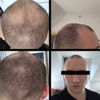
A 23-year-old experiencing hair loss tried olive oil, coconut oil, and hair growth shampoos without success. They are seeking advice on whether to start treatments like Minoxidil, finasteride, or RU58841.
A user reported significant hair thickening and new baby hairs on the hairline after 11 months of using 1mg finasteride every other day and microneedling once a week. They experienced no shedding, and finasteride stopped all hair loss within 24 hours of the first pill.
A 20-year-old is experiencing hair shedding two months after starting 2.5mg oral minoxidil and topical finasteride. They notice thinning in areas where finasteride is applied but also see new baby hairs growing.
User "tresslessatbest" shares her experience with androgenic hair loss and treatments. She found success using men's Rogaine 5%, spironolactone, dermaroller, biotin, blackcurrant seed oil, prenatal vitamins, and Nizoral shampoo.
User hoodoomoovoo discusses their interest in stem cell research and its potential for hair loss treatment. They share links to studies and mention ongoing trials, expressing optimism for a future solution to hair loss.
The user has been on finasteride for 8 years to treat hair loss and is experiencing obsessive thoughts about balding. They discuss the psychological impact of hair loss and the different ways people on hair loss forums cope, either by shaving their heads or seeking treatments.
The user is experiencing hair thinning and is considering using minoxidil. They are concerned about the progression of hair loss and whether it will lead to complete baldness.
A woman who is considering giving up on her hair loss journey after trying minoxidil and spironolactone, but other posters offer words of encouragement and suggest the use of wigs.
After 11 years on Finasteride, a user's hair is thinning again, suggesting hair may become more sensitive to DHT with age. They plan to introduce Dutasteride once a week, as they cannot tolerate Minoxidil.
A 17-year-old is concerned about hair loss and shares photos for opinions. A user responds that the hair looks normal but is hard to assess from the images.
The user is concerned about whether their hair styling is causing thinning or if it's natural. They are considering treatments like Minoxidil, finasteride, or RU58841 for hair loss.
A person in their early 30s has been using finasteride for about 10 years and recently started oral minoxidil, vitamin chewables, and dermarolling to address hair loss. They noticed pigmented vellus hairs and potential regrowth, questioning if oral minoxidil is more effective than topical due to enzyme differences.
A 35-year-old man had a hair transplant in 2019 but experienced further hair loss due to not using finasteride or minoxidil. Many suggest shaving his head or considering a hair system, as his donor area is depleted and further transplants may not be viable.
A new hair loss treatment, PP405, is moving from phase 2A to 2B in clinical trials, sparking discussions about its potential to regrow dormant hairs and its impact on existing treatments like Minoxidil and finasteride. Some users express skepticism, while others are hopeful about its future effectiveness.
The user switched from topical to oral finasteride and minoxidil, noticing thicker and longer baby hairs, suggesting potential regrowth at the temples. Other users agree it looks like a sign of success.
A 21-year-old is experiencing severe hair loss despite using finasteride and minoxidil, and plans to try dutasteride. Others share similar struggles and suggest various treatments like RU58841, spironolactone, and hair systems, while emphasizing the emotional impact of hair loss.
The user is experiencing hair thickening with oral minoxidil but notices worsening hairline and considers starting finasteride despite concerns about gynecomastia. They are also considering using Latisse on their hairline and seek advice on potential outcomes and experiences with these treatments.
Baldness is difficult to cure because current treatments like finasteride, dutasteride, and minoxidil only prevent hair shedding, and new developments are mostly ineffective. Botox shows potential in aiding skin regeneration and hair growth, but maintenance therapy with treatments like dutasteride and minoxidil may still be necessary.
Hair follicles often go dormant rather than die, and treatments like minoxidil can help revive them. Scalp health and stimulation, such as massages and using products like sulphur soap, are also important for hair regrowth.
The conversation discusses the challenges of maintaining a balding head, with some preferring to shave regularly and others choosing to embrace their hair loss. Specific treatments or concerns about hair transplants and societal perceptions of balding are also mentioned.
A 33-year-old man experienced diffuse thinning and hair shedding due to sleep deprivation and low testosterone. After starting hCG treatment, he noticed hair regrowth on his temples.
A user shared their positive experience with hair regrowth using minoxidil, hormone replacement therapy, and cyproterone acetate during their male-to-female transition. Another user discussed their successful hair transplant after transitioning and using finasteride, highlighting the challenges of hair loss and regrowth during transition.
The conversation is about someone using topical dutasteride and oral minoxidil for hair loss, and they are seeking opinions on potential hair regrowth shown in a photo. Respondents agree that there is some progress.
After suffering from hair loss and trying various treatments like finasteride, minoxidil, RU58841, and scalp micropigmentation without lasting success, the individual found freedom and a renewed sense of self by shaving their head and accepting their baldness. They encourage others struggling with hair loss to not waste years searching for a cure and to consider embracing a shaved head as a positive solution.
The user is concerned about hair loss and is considering treatments like finasteride and minoxidil but is unsure about their effectiveness and side effects. They have experienced mixed reactions to shaving their head and are struggling with confidence due to balding.
A user shared their experience with hair loss treatments, including finasteride, minoxidil, and RU58841, which improved their hair from a diffuse NW3 to a solid NW2 - 2.5. They noticed significant changes in how people treated them after regrowing their hair, suggesting that attractiveness can greatly impact social interactions and opportunities.
The conversation is about hair loss and regrowth, with the original poster discussing iron deficiency and using iron supplements. Other users mention treatments like finasteride, minoxidil, ketoconazole shampoo, and hair care products for managing symptoms.
Hair loss can be distressing, but treatments like finasteride, minoxidil, and scalp micropigmentation can help manage it. Embrace self-improvement, focus on personal goals, and maintain a positive attitude despite hair loss challenges.
The conversation is about a user considering Dr. Groot shampoo for hair loss while already using oral minoxidil, finasteride (transitioning to dutasteride), and birth control. The user is curious about the potential benefits of caffeine in the shampoo for pattern baldness.