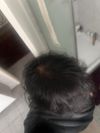
The conversation discusses hair thinning and treatments like Minoxidil, finasteride, and RU58841. The user is concerned about distinguishing between natural hair parting and actual thinning.
The user has been using finasteride and minoxidil for almost 2 years with maintenance but no significant regrowth. After adding tretinoin 2 weeks ago, they experienced increased shedding and are seeking advice on whether this is a positive sign.
A 19-year-old is experiencing aggressive hair thinning and has been on finasteride for six months with consistent shedding. They are considering switching to dutasteride and hoping minoxidil will work better afterwards, while others suggest patience with current treatment and adding dutasteride, RU58841, a good diet, and dermarolling for potential improvement.
The user is experiencing hair regrowth and increased hair thickness after using supplements like biotin, zinc, selenium, and a complex with various natural ingredients, along with topical caffeine. They are considering using topical minoxidil and mesotherapy in the future.
Switching from finasteride to dutasteride can cause hair shedding, with mixed results; some see improvement, others see worsening. Using both treatments together initially may help reduce shedding.
A 23-year-old male is experiencing rapid hair thinning and receding hairline, feeling emotionally drained. He has tried GFC, PRP, ketoconazole shampoo, and supplements without improvement and is considering minoxidil, finasteride, and possibly a hair transplant.
The user is experiencing hair thinning at the crown and midscalp and is seeking advice. They are considering treatments like Minoxidil, finasteride, and RU58841.
Minoxidil is harmful to pets, especially cats, if they contact it. Users recommend switching to oral minoxidil or taking precautions like washing hands and using head coverings to prevent exposure.
The conversation discusses hair thinning potentially caused by seborrheic dermatitis, with the user considering over-the-counter treatments like Head and Shoulders, Selsun Blue, and Nizoral, while maintaining keratin-treated hair. A suggestion is made to use raw organic honey as a hair mask to treat seborrheic dermatitis without affecting keratin treatments.
A user experienced significant hair shedding after 8 months of using oral dutasteride (0.5 mg), minoxidil (2.5 mg), and biotin (5 mg) daily. They are concerned about the effectiveness of the treatment and possible resistance to dutasteride.
A user is concerned about hair loss and has been using finasteride since May 2022, recently adding dutasteride. They are seeking advice on whether to continue both medications, switch to only dutasteride, or add RU58841, and are unsure if their hair quality issues are due to medication, stress, or other factors.
Hair loss treatments like finasteride, dutasteride, minoxidil, and RU58841. Users discuss "DHT itch" at receding hairlines and suggest using dutasteride or ketoconazole shampoo for relief.
The user noticed temple recession and front thinning. Their treatment includes microneedling, topical minoxidil and finasteride, biotin, zinc, selenium, vitamin D3, rosemary oil, and specific shampoos.
A 22-year-old male experiencing diffuse thinning and frizzy hair has been using finasteride for nine months and is seeking advice on improving hair quality. Suggestions include using conditioners, biotin, rosemary oil, and addressing scalp conditions like seborrheic dermatitis or psoriasis, while finasteride may help reverse miniaturization and improve hair health.
The user experienced prolonged hair shedding after restarting oral minoxidil (OM) at 2.5 mg in September 2023, following a break due to hypertrichosis. Despite seeing regrowth, the shedding has not decreased after 11 weeks on the increased dosage.
Shedding is common when using finasteride and minoxidil, and it typically stabilizes after a few months, with potential regrowth following. Users report varying experiences, but shedding is generally seen as a normal part of the treatment process.
Finasteride can cause scalp itch and inflammation, possibly due to DHT changes, but these effects are often temporary and part of the shedding phase. Consistent use of finasteride may show results after 6 months, with potential hair regrowth and slowed hair loss.
The user experienced increased hair shedding after switching from finasteride to dutasteride, despite lifestyle improvements and additional treatments like oral minoxidil and PRP. They are concerned about persistent shedding, changes in hormone levels, and potential chronic telogen effluvium, and are considering a scalp biopsy for further investigation.
A 25-year-old male with seborrheic dermatitis and hair thinning seeks advice on the severity of his condition and treatment options. Oral finasteride and oral minoxidil are recommended as the most effective long-term treatments.
Treating Seborrheic Dermatitis, a fungal scalp condition which can cause hair loss. Treatments discussed include antifungal shampoos, cold showers, exfoliating the scalp, taking Vitamin D, and stimulating the prostate through the anus.
A 25-year-old is using 1.25mg finasteride six times a week and 5% topical minoxidil daily for hair loss. They are experiencing reduced libido and erectile issues, possibly due to stress, and are questioning if the finasteride dosage is affecting DHT suppression.
The conversation is about using minoxidil for diffuse thinning after finasteride showed no regrowth. Tips include applying minoxidil directly to the scalp, considering potential shedding, and being cautious with combining tretinoin due to possible irritation.
The user started finasteride and experienced increased shedding for five months. They are concerned about how low vitamin levels might affect the shedding and effectiveness of finasteride.
A user shared their hair loss treatment routine, which includes oral and topical Minoxidil, dermarolling, Keto shampoo, multivitamins, Biotin, oils, protein intake, and water. Another user suggested adding finasteride and continuing the routine for 6-12 months.
The user regrew their hairline using mechanical stimulation, including a 1.5mm derma roller weekly, daily scalp massages, and other treatments like Nizoral, zinc pyrithione, fish oil, and Lipogaine The Big 5. They did not use Minoxidil or finasteride.
A user embraced their hair loss by choosing a buzzed hairstyle and received positive feedback on their appearance. Some suggested acceptance and self-care, while others discussed the potential of hair regrowth with treatments like finasteride and minoxidil.
Prostaglandin balance affects hair loss, particularly in conditions like Lichen Planopilaris, where an imbalance can lead to hair follicle damage. Treatments mentioned include prostaglandin analogs and Pioglitazone HCL, with a focus on maintaining prostaglandin equilibrium for potential hair regrowth.
The user is experiencing hair shedding while using finasteride and topical minoxidil with tretinoin, keto shampoo, and dermarolling. They hope the shedding indicates future hair regrowth.
Maintaining scalp hair and minimizing shedding, treatments used such as Procapil, supplements, topical caffeine, topical estrogen, and scalp massage; suggestions for anagen extenders or pharmaceuticals to help with a short anagen phase.