Microneedling is debated for hair loss treatment, with some users finding it beneficial for minoxidil absorption and others skeptical of its effectiveness. Alternatives like finasteride and minoxidil are recommended, while tools like dermarollers, dermapens, and dermastamps are discussed for their pros and cons.
IGFBP‐rP1 shows potential for treating androgenic alopecia by influencing hair cycle transitions. Increasing IGF-1 levels may have similar effects to Minoxidil and 5-AR inhibitors in reducing hair loss.
Hair cloning is humorously discussed as always being 5-7 years away, with skepticism about its near-term availability. Gene editing to reactivate dormant follicles is suggested as a more likely solution within the next ten years.
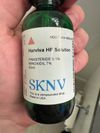
A user shared progress pictures after 50 days of using a compound with 10% minoxidil, 0.1% finasteride, and biotin, expressing satisfaction with the results. Another user commented positively on the progress.
People are discussing experiences with finasteride for hair loss after being on testosterone for over two years. Users report varying results, with some experiencing regrowth and no side effects, while others emphasize the importance of starting treatment early to prevent further hair loss.
A user noticed increased hair loss and was prescribed Betamethasone dipropionate 0.05% lotion by a dermatologist. Another user suggested changing doctors and asking for finasteride instead.
A user shared a blog post by "swissTemples" claiming to have reversed hair loss using a combination of treatments including suppressing PGD2 and increasing PGE2. The user noted that "swissTemples" has been banned from forums, possibly due to conflicts of interest.
Dutasteride has been used for 20 years with some hair thickness improvement but no dramatic regrowth. The user also experimented with minoxidil, tretinoin, and peptides like BPC 157 for potential benefits in hair density and quality.
User discusses potential hair loss treatment SCUBE3 and shares mixed opinions on its effectiveness. One user reports positive results after applying SCUBE3 following microneedling.
The user shared their hair regrowth journey using treatments like dutasteride, minoxidil, microneedling, tretinoin, Nizoral, silica, biotin, and hormone replacement therapy (HRT) with cyproterone and estradiol. They reported substantial hairline improvement and some crown thinning, with hopes for further progress.
Hair loss may be linked to the TRPS1 gene and protein, not just DHT. Amplifica's AMP-303 targets mesenchymal stem cells and shows promise in treating hair loss, unlike Pelage's PP405.
The user started using topical minoxidil, oral finasteride, GHK-CU, and HGH in October, resulting in thicker hair and improved overall health. They experienced minor side effects like dehydration from HGH but reported benefits like clearer skin, better recovery, and muscle gain.
PP405 is ineffective for miniaturized, fibrosed hair follicles in androgenetic alopecia. AMP303 may activate hair follicle stem cells, but minoxidil and finasteride are still the main treatments.
Low-Level Laser Therapy (LLLT) for hair loss is effective but requires consistent use and device replacement every 1-2 years. The treatment is costly, and results may not be permanent without continued use.
COVID and COVID vaccination can trigger hair loss, primarily telogen effluvium, due to stress and immune system activation. Proper diagnosis and addressing factors like nutrition and stress are crucial for recovery.
Hair follicle stem cells remain in bald individuals, but progenitor cells do not, raising questions about hair regrowth claims by Pelage. PP405 is discussed as a potential treatment, with skepticism about its effectiveness compared to existing treatments like Minoxidil and Finasteride.
Increasing dutasteride to 2.5 mg daily and adding 2.5 mg oral minoxidil to prevent hair loss during a testosterone cycle. Suggestions include adding RU58841 for better protection against hair loss.
The conversation discusses hair loss treatments, specifically PRP, Minoxidil, and Finasteride. The user is considering PRP but is concerned about its effectiveness and potential side effects, while another user suggests starting with Minoxidil and possibly adding Finasteride later.
A 43-year-old male from Sydney is seeking advice on using a Dermapen with Minoxidil for hair loss treatment. He inquires about the frequency of Dermapen use, needle depth, cartridge type, timing for applying Minoxidil, safety of numbing cream, and cartridge reuse.
The user is using oral minoxidil, ghk-cu, and HGH for hair regrowth, noticing small vellus hairs on the crown. They avoid traditional DHT blockers like finasteride due to side effects, despite skepticism from others about the effectiveness of ghk-cu.
Hair loss is influenced by scalp tension, stress, and environmental factors, not just hormones. Treatments like tretinoin, microneedling, scalp massage, and Botox can reduce tension and improve hair health.
A person is seeking advice on saving their thinning crown and hairline before their wedding, currently using a topical solution with 0.1% finasteride and 7% minoxidil. They are open to trying oral treatments and are considering using Hims for convenience, with no cost concerns.
A user is interested in Absci's AI-driven antibody platform, ABS-201, for treating androgenetic alopecia, which shows promising preclinical results and potential for hair regrowth and pigmentation restoration. However, concerns are raised about the drug's development timeline and its advantages compared to existing treatments.
The post discusses a user's successful hair regrowth using finasteride, dutasteride, topical minoxidil, and estrogen over nine months. The user, who is male-to-female (mtf), reports significant regrowth and no side effects beyond typical hormone replacement therapy effects.
A humorous discussion about a newborn's hair loss, jokingly suggesting treatments like Minoxidil, finasteride, and various other hair loss remedies. Participants humorously debate extreme measures, including shaving or using a "nuclear stack" of treatments.
The user experienced significant hair regrowth over three months using 1.25mg oral finasteride, 5mg oral minoxidil, and weekly dermarolling. Initial side effects included mood swings, but these stabilized over time.
A user humorously suggests an extreme hair loss treatment regimen involving multiple medications and therapies, including Dutasteride, Minoxidil, RU58841, and others, claiming it would prevent hair loss but with potential side effects like gynecomastia. The conversation highlights concerns about safety, side effects, and the effectiveness of such a comprehensive approach.
People are discussing JXL-069 (PP405) for hair loss, with some experimenting with a 0.05% topical gel. Concerns about safety and efficacy persist due to limited testing and lack of official approval.