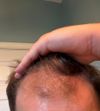
A user on finasteride, minoxidil, dermastamp, and Nizoral is seeing baby hairs and asks if it's regrowth. Another user confirms it is regrowth and encourages them to continue.
The conversation discusses using topical vitamin C in shampoo or serum for hair growth and thickness. The user mentions using the Nioxin system to maintain thick hair and is curious about the effects of vitamin C on hair growth.
Osteopontin, a protein involved in hair growth on moles, may help with hair loss. However, it is also linked to Alzheimer's, cancer, and bone development, so caution is advised.
A user who has had success with using Dutasteride to regrow their hair after previously having results with Finasteride, with others questioning the switch and asking about potential side effects.
Rosemary essential oil, particularly cineole, is considered by some to be beneficial for hair growth, though its effectiveness compared to minoxidil is debated. Finasteride, minoxidil, and ketoconazole shampoo are recommended treatments, while oils like rosemary and peppermint are seen as supplementary for scalp health.
Amino acids, particularly Cysteine, are important for hair growth and may be lacking in a normal diet. Using a protein powder that includes these amino acids can help improve hair growth and strength.
The conversation discusses a user trying a carnivore diet to improve hair growth while also taking finasteride. Other users express skepticism about the diet's long-term health effects and suggest any hair improvements are likely due to finasteride.
Hair loss is primarily caused by genetic sensitivity to DHT, not lifestyle factors like diet or exercise. Treatments like Minoxidil and Finasteride can help, but it's important to consult a dermatologist to determine the best approach for individual cases.
The conversation discusses the effectiveness of combining Laminaria japonica and Cistanche tubulosa extracts for hair growth. It also mentions treatments like Minoxidil, finasteride, and RU58841.
The user is discussing hair regrowth after 7 months of using topical minoxidil and RU58841, with some microneedling. They are hesitant to switch to finasteride or dutasteride and are seeking input on whether there is new growth or just more miniaturization.
Finasteride is more effective for long-term hair maintenance by addressing the root cause of hair loss, while minoxidil acts as a growth stimulant with faster visible results. Combining both treatments is optimal, with oral minoxidil often showing better results for some individuals.
The user has been taking finasteride 1mg/day since 2021 and recently added oral minoxidil 2mg/day for 40 days. They are questioning if the observed hair growth is due to minoxidil.
After 3 months of using oral finasteride with oral minoxidil, shedding has started, and facial and body hair is growing back thinner. The user is questioning if a dosage increase is needed.
The user reduced serum DHT by 60% using Advanced Trichology's natural DHT blocker but saw no improvement in hair loss. They are considering switching to finasteride due to its proven effectiveness in inhibiting scalp DHT.
The user has been using 5% minoxidil and finasteride for a year and recently noticed three new hairs, but other baby hairs aren't growing. They are considering switching to only minoxidil.
OP has been using 5% minoxidil twice daily for a year, resulting in some baby hair growth, but many have not matured. They are questioning if they are overusing minoxidil.
The user is using topical finasteride 0.3% and minoxidil 5% for hair regrowth, along with dermal stamping, zinc, fish oils, and biotin. They report some regrowth and shedding, with no significant side effects.
A user shared progress pictures after 3 months of using finasteride, minoxidil, and a derma stamp, showing 2.5 weeks of hair growth. They reported no side effects and take 1 mg of finasteride daily.
The user follows a hair loss treatment routine including Propecia, oral minoxidil, ketoconazole, and plans to switch to dutasteride. They also focus on lifestyle changes, dietary supplements, and are considering laser therapy.
User shared 15-month results using finasteride and minoxidil, showing no loss but minimal growth, considering a hair transplant. Replies suggest starting treatment earlier, continuing current treatment, or getting a transplant.
The user has been using finasteride, nizoral, microneedling, and recently added 3% peppermint oil to their hair loss treatment, experiencing regrowth similar to minoxidil. They suggest peppermint oil as a potentially effective, low-cost alternative or addition to minoxidil, with the added benefit of a pleasant smell and ease of use.
Scientists have grown natural-looking hair from stem cells, potentially revolutionizing hair growth treatments. Concerns include cost, DHT resistance, and the need for future procedures.
The user experienced hair regrowth using finasteride, minoxidil, dermarolling, and a castor oil and peppermint mix after initially having a significant hair loss. They reported no lasting side effects from finasteride and believe dermarolling contributed to their hairline growth.
Sulforaphane, found in broccoli sprouts, promotes hair growth by degrading DHT. Users discuss its potential benefits and joke about unconventional application methods.
The conversation discusses using a hair wax containing propolis and Eruca sativa seed oil for hair growth. It also mentions treatments like Minoxidil, finasteride, and RU58841.
PP405, developed by Pelage Pharmaceuticals, can reactivate dormant hair follicle stem cells and increase hair growth by 20% in eight weeks, unlike minoxidil or finasteride. However, skepticism remains about its effectiveness and availability, with concerns about funding and the timeline for broader access.
The conversation discusses hair regrowth treatments, including oral minoxidil 5mg and finasteride 1mg on alternate days, along with derma rolling, biotin, and other supplements. The user reports good hair growth and reduced hair fall, with no side effects from oral minoxidil except increased body hair.
The user switched from finasteride to dutasteride after experiencing significant hair shedding and thinning. Recently, they noticed their hair appearing thicker and their hairline improving, questioning if the switch was necessary and if the improvement is due to growth or regrowth.
PP405 is not a cure for hair loss but may reactivate dormant hair follicles, similar to minoxidil. It is unlikely to help with miniaturized or vellus hairs and is still in trial phases, with availability expected around 2030.