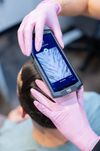
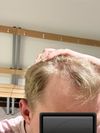
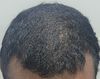
Hair growth progress using Propecia, Minoxidil, dermarolling, ketoconazole shampoo, and vitamins. Noticeable hair growth in temples after 3 months and 10 days.
The conversation discusses hair loss treatments, focusing on iron supplements for low ferritin levels and considering finasteride and minoxidil if thinning persists. There is debate over starting with finasteride versus dutasteride, with some users advocating for dutasteride due to its potency, while others caution about potential side effects.
Adipose-derived stem cells with ATP improved hair regrowth in male and female mice with androgenetic alopecia. The most effective treatments were low dose stem cells with ATP for males and medium dose stem cells with non-liposomal ATP for females.
The user experienced hair regrowth with oral Minoxidil, dandruff shampoo, topical Nanoxidil, and Revita Shampoo but lost progress after stopping Nanoxidil temporarily. They are now using topical Nanoxidil and oral dutasteride but are experiencing increased shedding and are unsure whether to continue or revert to their original regimen.
A user experienced significant hair regrowth after improving their diet, getting sunlight, taking a multivitamin, and exercising, following a period of extreme calorie restriction and hair shedding. Others in the conversation attribute the hair regrowth to increased calorie intake rather than just vitamins.
A user is developing a tool to track hair density, aiming to help those using treatments like minoxidil. They seek feedback on the tool's usefulness and are considering a low-cost model to cover expenses.
The user experienced significant hair growth using Hims chewable tablets containing finasteride and minoxidil but switched to a topical spray due to side effects from finasteride. The user reported improved side effects after switching to the topical form and noted continued hair growth progress.
The user discusses using Minoxidil and plans to start Finasteride for genetic hair loss. They also mention natural remedies like gold shilajit, moringa powder, a seed mixture, and cardio exercise, emphasizing that while these can help, Minoxidil and Finasteride are necessary.
The conversation discusses alternative hair growth treatments to minoxidil, including Stemoxydine, Tretinoin, adenosine, Baicalin, castor oil, Latanoprost/bimatoprost, and Redensyl. Users share their experiences and opinions on the efficacy of these treatments.
A 31-year-old who experienced severe hair loss during medical school tried various treatments, including topical and oral finasteride and minoxidil, but stopped due to side effects. They restarted treatment 10 months ago with a regimen including topical finasteride, minoxidil, retinoic acid, hydrocortisone, oral minoxidil, and light therapy, emphasizing the importance of consistency and skincare.
The conversation discusses hair regrowth using minoxidil, with suggestions for women to use spironolactone and for men to combine minoxidil with dutasteride. Users share experiences and advice on dosage and cost-saving methods.
Finasteride can increase body and facial hair growth due to increased testosterone, despite its intended use to reduce hair loss on the scalp. Some users consider trying topical finasteride for less systemic impact, while others report mixed results and side effects.
The user shared their one-year hair growth progress using a daily Fin/Min chewable tablet, noting some inconsistency in usage but still achieving results. They use Head & Shoulders shampoo and have not mentioned any side effects.
The user has been using 5mg minoxidil for a year, resulting in more body hair but no new hair growth on the head. They are seeking advice on promoting hair growth on the scalp.
The user has been using finasteride for 18 months and minoxidil for 9 months, recently switching to dutasteride, but still struggles with hair growth at the hairline. They are considering taking creatine and are unsure if it would be a bad idea.
The user switched from topical to oral Minoxidil and is experiencing hair shedding without significant regrowth, despite using Finasteride and Dutasteride. They are considering whether their body isn't responding to oral Minoxidil and are exploring options like dermarolling.
GHK-Cu serums for hair growth have mixed results, with some users not seeing significant benefits. Users have tried various brands like Tricomin and Actifolic without success.
The conversation discusses using microneedling with growth factor serum, PRF injections, dutasteride, oral and topical minoxidil, and topical exosomes to treat hair loss, particularly on the crown. OP plans to microneedle twice a month and seeks feedback on Korean growth factor serums.
A user shared their 3-month hair growth progress using topical minoxidil, finasteride, Dermazole Ketoconazole shampoo, and a derma stamp. They reported no side effects and continued dandruff despite using the shampoo.
Effective hair growth treatments include finasteride, minoxidil, dutasteride, and hair transplants, with additional options like microneedling, low-level laser therapy, and PRP showing some benefits. Newer treatments such as GHK-Cu peptides and ketoconazole shampoo are promising, while others like saw palmetto and biotin are less effective unless deficiencies exist.
The user is questioning whether their hair shows signs of regrowth or just normal growth after two weeks. They are using Minoxidil, Finasteride, and RU58841 for hair treatment.
The conversation discusses various hair growth treatments, including topical and oral minoxidil, microneedling, LLLT, PRP, exosomes, latanoprost, copper peptides, and upcoming treatments like PP405 and Vdphl01. It also covers managing side effects of minoxidil, such as dry scalp, and mentions the use of dutasteride and finasteride for hair loss.
A 27-year-old male is using minoxidil 5% nightly and alternating between three hair serums during the day, seeking advice on whether this routine is beneficial or overly complicated. Responses suggest simplifying the routine by focusing on minoxidil, possibly increasing its concentration, and considering finasteride or dutasteride instead of multiple serums.
A user is considering using Bare Anatomy's Advanced Hair Growth Serum, which contains Redensyl, Anagin, Baicapil, Rosemary, and Biotin, for thinning hair. Reviews are mixed, with some users skeptical about its effectiveness compared to minoxidil.
GHK-Cu injections led to unexpected temple hair growth for someone who had been using minoxidil and finasteride for over a decade. The user plans to continue using GHK-Cu and experiment with a DIY AHK-Cu serum.
The conversation discusses the effectiveness of a "Hair growth complex" pill, with skepticism about its ingredients like saw palmetto and anagain. Users suggest saw palmetto may help slightly with DHT-related hair loss, but it's less effective than finasteride or dutasteride.
The conversation discusses hair growth treatments, with the original poster avoiding minoxidil due to health concerns and considering serums with positive reviews. Alternatives like topical caffeine and redensyl are mentioned as options.