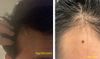
A user noticed worsening hair loss and is considering treatments. They plan to use finasteride, Rogaine, and a ketoconazole shampoo, and seek advice on their effectiveness and usage.
A user shared their positive experience with topical Minoxidil for hair regrowth, noting thicker and fuller hair without using Finasteride due to concerns about side effects. Many commenters advised adding Finasteride to maintain gains, warning that Minoxidil alone might not prevent future hair loss.
A 20-year-old is experiencing aggressive hair loss and is using oral finasteride, topical minoxidil, tretinoin, rosemary oil, and dermarolling in an attempt to manage it. They are concerned about their appearance and future hair loss, seeking advice on additional treatments.
The conversation discusses the potential impact of creatine on hair loss, with some users sharing personal experiences of increased shedding while others argue there's no scientific evidence linking creatine to hair loss. The original poster switched from finasteride to dutasteride and is considering resuming creatine after monitoring its effects on hair loss.
Minoxidil alone is often insufficient for treating hair loss because it doesn't address the DHT-related cause. Combining it with finasteride, a DHT blocker, is generally more effective.
A user shared their 4-month progress using 0.25 mg finasteride daily for hair loss, reporting significant improvement and minimal side effects. Other users discussed their experiences with different dosages and side effects.
.
This conversation discussed the efficacy of Minoxidil and Finasteride as treatments for hair loss, with a focus on the potential side effects of taking Oral Minoxidil. Some users shared their experiences with both treatments and there was debate over whether they were safe or not.
PP405 is a potential new hair loss treatment that works through metabolic pathways rather than hormonal ones, with an estimated market release between late 2027 and 2029. Current alternatives to finasteride include minoxidil, pyralutamide, fluridil, and RU58841, with hair transplants also being a viable option.
Creatine may cause increased hair shedding due to androgen receptor sensitivity, despite limited evidence. The user is using dutasteride and minoxidil and seeks advice on whether shedding will stabilize, with suggestions including GHK-Cu and RU58841.
The user received 1600 hair grafts but is dissatisfied and plans a second transplant for better coverage. They use minoxidil and finasteride and are considering adding dutasteride.
Finasteride can cause dry eyes and vision issues due to its impact on the meibomian glands. Users have mixed experiences, with some experiencing eye discomfort and others having no side effects.
Finasteride and creatine are discussed for hair loss, with mixed opinions on creatine's impact. Some users report no hair loss with creatine, while others experience shedding, but finasteride is generally seen as effective.
For hair loss, start with Finasteride, Minoxidil, Ketoconazole shampoo, and Microneedling. For severe cases, consider Dutasteride, oral Minoxidil, or hair transplants.
The conversation discusses Perez Hilton's hair loss despite having three hair transplants. Participants suggest that hair loss can continue after a transplant if maintenance treatments like finasteride and minoxidil are not used, and that transplanted hair can still be susceptible to loss.
The potential effectiveness of homemade topical spironolactone in treating hair loss, with studies suggesting it is more effective than finasteride and even minoxidil when used as monotherapy. The conversation also mentions that other anti-androgens are being developed which may soon hit the market.
A 21 year old male who has been using finasteride and minoxidil for 3 months to treat hair loss, and others sharing their experiences with the same treatments.
Treatments for hair loss, including topical immunotherapy, regenerative treatments, laser and light-based therapies, oral supplements, intralesional steroids, and new drugs like finasteride and minoxidil.
Addressing hair loss by focusing on posture, blood flow, and craniofacial development. Methods include improving posture, cardiovascular activity, scalp massages, healthy diet, meditation, using minoxidil, and addressing craniofacial issues.
The user experienced significant hair thinning and scalp irritation after three months of using topical finasteride. Suggestions include that shedding is normal before regrowth and switching to oral finasteride or addressing scalp inflammation might help.
Hair loss treatments that avoid significantly lowering systemic DHT levels, focusing on topical options like dutasteride mesotherapy, minoxidil, and ketoconazole. The user is exploring alternatives like KX-826 and RU58841 due to concerns about hormone levels.
Dutasteride and finasteride can cause watery ejaculate, which may persist for some users. Zinc supplements or switching to topical treatments are suggested to alleviate this side effect.
A user in Egypt is seeking alternatives to oral minoxidil, which is banned there, after stopping topical minoxidil due to concerns for their cat's safety. Suggestions include drinking diluted topical minoxidil or making homemade minoxidil tablets, but these methods carry significant risks and are not recommended.
Hair loss treatments like Minoxidil, finasteride, and RU58841, focusing on their effectiveness and side effects. It also highlights the disparity in medical research funding between hair loss and conditions like endometriosis.
Matthew McConaughey likely maintains his hair using finasteride, minoxidil, hair transplants, and possibly a hair system. Products like Reginix or rosemary oil are not considered as effective as these treatments.
PP405 is criticized for overhyped claims and cherry-picked data, with doubts about its effectiveness compared to minoxidil and finasteride. Many users express skepticism, emphasizing the need for more comprehensive trial results.
The user used microneedling, zinc, vitamin D3, biotin, magnesium, saw palmetto, pumpkin seed oil, and a DHT-blocker shampoo with biotin for hair loss. They are considering adding minoxidil due to stagnation in progress.
The conversation is about using finasteride and testosterone replacement therapy (TRT) for hair loss and their role in gender-affirming care. It debates whether these treatments are considered hormone replacement therapy (HRT) and their implications for both cisgender and transgender individuals.
Minoxidil is highly toxic to pets, particularly cats and dogs, and there is a call for proper labeling to warn pet owners. Despite some skepticism about the effectiveness of petitions, many agree that awareness and caution are necessary to prevent accidental poisoning.
Minoxidil and finasteride are effective for hair loss, but natural oils like pumpkin seed oil and saw palmetto are not proven to be effective. Topical finasteride may be an option for those who cannot tolerate oral finasteride.
PP405 is a potential new hair loss treatment that might replace finasteride and minoxidil, but it is still in clinical trials and may not be available until 2028-2031. There is skepticism about its effectiveness, with only a 20% increase in hair density observed in some participants.