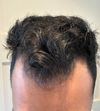
A user is concerned about weight loss stagnation while using minoxidil and finasteride during a calorie-cutting diet. Responses suggest water retention or a weight loss plateau as possible causes.
A user shared their progress with hair loss treatment using Dutasteride Mesotherapy but mentioned they ruined their progress. Another user commented that Minoxidil caused shedding, which should regrow in three months.
The conversation discusses hair regrowth using saw palmetto (800 mg daily), a derma roller (0.5 mm twice a week), rosemary oil, and a multivitamin. The user mentions using Bliss Pharma's saw palmetto supplement.
A user experienced significant swelling after a hair and beard transplant, possibly due to an allergic reaction or improper post-surgery care. Despite dissatisfaction with the clinic's handling of grafts and customer service, the user appreciates the clinic's skill in achieving natural hairline density.
A 22-year-old male experienced hair thinning and found minoxidil ineffective, with blood tests showing deficiencies in zinc, vitamin B12, vitamin D3, and possible hypothyroidism. Another user suggested adding topical finasteride to the regimen, which helped them regrow hair effectively without side effects.
The user experienced significant hair regrowth using dermarolling, peppermint essential oil, rosemary carrier oil, finasteride, dutasteride, biotin, vitamin E, spirulina, fish oil, and a protein-rich diet. The oral versions of finasteride and dutasteride were noted as more effective.
The user is experiencing diffuse thinning despite using oral minoxidil (3mg), dutasteride (0.5mg), microneedling, scalp massaging, and vitamins. Suggestions include increasing the minoxidil dose, checking for scalp conditions, and continuing current treatments.
A user stopped using RU58841 after discovering their girlfriend's unplanned pregnancy, expressing concern about potential harm to the baby. Others advised consulting a doctor, waiting for health scans, and considering switching to oral finasteride or natural supplements like saw palmetto.
Dutasteride may affect testosterone levels, leading to high ferritin and iron levels, which can cause hair loss. High ferritin might be linked to past heavy drinking or hemochromatosis.
A 24-year-old is experiencing aggressive hair shedding despite past success with mesotherapy and minoxidil, and is considering adding treatments like Expecia, dermapen, or a hair transplant. Many suggest using finasteride to maintain hair, as it is necessary even after a transplant, and side effects are rare and reversible.
Zinc supplements can make existing hair thicker and fuller but do not cure or slow hair loss. Long-term zinc use requires copper supplementation to avoid deficiencies.
The user is experiencing excessive hair thinning and is unsure of the cause. They are seeking opinions on treatments like Minoxidil, finasteride, and RU58841.
Capilia Longa and Scandinavian Biolabs are discussed, with skepticism about their effectiveness and value. The conversation suggests avoiding these products due to high cost and perceived lack of results.
The user switched from finasteride to dutasteride for hair loss and saw significant improvement in under two months. They also microneedle, take supplements including collagen and vitamin D3, use ketoconazole shampoo, and noticed accidental hair regrowth with retinol application on their face.
The conversation discusses hair loss treatments, specifically using dutasteride (0.5mg daily) with no side effects reported after two months. It also mentions the health benefits of one meal per day and the low incidence of side effects.
A 24-year-old male started using finasteride, minoxidil, biotin, and vitamin D for hair loss but noticed worsening thinning and white patches on his temples. He seeks advice on improving his regimen, which includes topical minoxidil and a shampoo for seborrheic dermatitis.
A user is advocating for Phase 3 trials of the hair loss treatment PP405 to be conducted in Germany, citing benefits like a diverse patient base and faster access for European patients. Despite skepticism about the petition's influence, the user believes it can demonstrate significant interest and potentially influence strategic decisions.
The user successfully managed hair regrowth by using a combination of finasteride, dutasteride, minoxidil, and specific shampoos to treat seborrheic dermatitis. They emphasize the importance of maintaining a healthy scalp and are considering food intolerance tests to further address inflammation.
A user reported losing 150-250 hairs daily after 9 months on dutasteride, despite previously stabilizing hair loss with finasteride and minoxidil. Blood tests showed high DHT levels, and the user is unsure if they should continue the current treatment.
A user is treating hair loss with daily 0.5mg Dutasteride, 5mg oral Minoxidil, topical Minoxidil and Dutasteride, 520mg Saw Palmetto, 5mg Biotin, and 0.8mg Folic Acid. They plan to start weekly micro-needling and mix Minoxidil with Tretinoin.
A user shared their experience with high cholesterol, glucose, and potential metabolic syndrome after using Finasteride and Dutasteride for hair loss. They plan to improve their health with diet and exercise before considering medication.
A 34-year-old male shares a nine-month update on hair loss treatment using 1.25mg oral finasteride daily, 5% topical minoxidil 5-7 times a week, and 1% ketoconazole shampoo twice a week. He reports stopping diffuse thinning and regaining crown density, though his hairline may require a transplant.
An 18-year-old male switched from topical finasteride and minoxidil to oral dutasteride for diffuse hair loss and saw improvement without side effects, despite experiencing scalp itch and shedding. Commenters noted significant hair regrowth and were surprised by his young age and appearance.
The user experienced hair loss due to a crash diet and later developed scarring hair loss. They are now on finasteride, oral minoxidil, LDN, Zyrtec, and Oztela to reduce scalp inflammation and promote hair regrowth.
Hair loss treatments discussed include microneedling, minoxidil, tretinoin, finasteride, dutasteride, pumpkin seeds, saw palmetto, and scalp massage. The consensus is that finasteride or dutasteride is necessary for significant regrowth, while other methods may only slow hair loss.
Hair transplants and hair loss treatments like oral Fin and Min are discussed, with some humor about public figures' hair. Missing a single day of these treatments typically has little impact, but longer gaps can affect results.
A user's journey to treat hair loss with a combination of oral medication, topical treatments, microneedling and different shampoos and supplements. It includes warnings about an OGX biotin shampoo potentially causing further hair loss.
User experienced hair thinning after losing 100 lbs and started Dutasteride treatment. They faced side effects like fatigue, brain fog, and insomnia but no erectile dysfunction.
Finasteride may be sufficient for diffuse thinning, but dutasteride is generally considered more effective, with a higher chance of hair growth. Adding oral minoxidil can improve results, though some users report side effects.