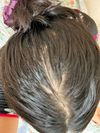
Female using Rogaine foam for hair loss had scalp punch biopsy, diagnosed with Androgenetic Alopecia (AGA). Doctor recommended starting Spironolactone 50mg.
The conversation is about experiencing hyper-trichosis from taking oral Castor Oil. The user reports increased hair growth on the stomach and legs but is not concerned as it is harmless and will stop when the treatment stops.
Finasteride's impact on fertility is discussed, with users sharing experiences of conceiving while on the medication. Concerns about long-term safety are also mentioned.
The trichologist avoids recommending Minoxidil, focusing instead on changing medications monthly for seborrheic dermatitis, resulting in only slight improvement in hair quality and loss. The user is considering starting Minoxidil independently due to slow progress and personal distress.
Finasteride is not linked to a 60% risk of persistent sexual dysfunction; this figure applies only to those already experiencing sexual issues. Most users do not have side effects, and the study's methodology is criticized for selection bias.
Gizzela is unsure about the dosage and frequency of copper peptides and asks if they can be used with Stemoxydine. They seek advice on applying these treatments together.
A user reported less hair shedding using melatonin spray and is considering trying topical oxytocin or estrogel for hair growth, but is concerned about potential side effects like breast development. Topical oxytocin has been found to promote hair growth by increasing growth factors.
The user is experiencing hair loss despite using dutasteride, minoxidil, and ketoconazole shampoo, and is concerned about continued shedding. Suggestions include checking for nutrient deficiencies, consulting a dermatologist, and considering other potential causes like seborrheic dermatitis or telogen effluvium.
A 25-year-old is frustrated with hair loss and inability to grow facial hair despite using oral finasteride and minoxidil for over a year. Suggestions include trying topical treatments, considering a hair system, or seeking professional help for mental health.
The conversation discusses the potential of using topical estrogen treatments for hair loss without systemic absorption, highlighting challenges and possible solutions like using estriol. It also mentions other treatments like topical finasteride, microneedling, and scalp massage, while noting the limitations and side effects of current options.
Finasteride can aid hair regrowth but may cause side effects like depression and sexual dysfunction. Users discuss experiences with finasteride, minoxidil, and RU58841, highlighting varied responses and the importance of informed treatment choices.
People are discussing the use of finasteride for hair loss and the importance of hormonal blood testing to monitor effects like changes in DHT and estradiol levels. Some users also mention using minoxidil and the potential side effects of estradiol, such as gynecomastia, especially at higher doses.
A 23 year old female who experienced Telogen Effluvium due to stress 4 years ago, but her hair is still not back to normal. She is looking for treatments such as Minoxidil and dermarolling that may help with the thinning patches in her hair.
Mixing Nizoral and T-Gel in a 1:1 ratio and using it three times a week provided relief from persistent seborrheic dermatitis. This treatment is recommended for those with stubborn SD.
A 22-year-old is experiencing hair loss, particularly fuzzy hair in the front, and is concerned about male pattern baldness. Treatments mentioned include Propecia (finasteride), minoxidil, PRP treatments, dermarolling, peppermint oil, and apple cider vinegar.
Saw palmetto, a 5-alpha reductase inhibitor, caused unexpected side effects like breast changes and altered semen consistency, which resolved after stopping its use. Concerns about similar side effects with finasteride or dutasteride were expressed, and another user reported low libido and depression from saw palmetto.
L. reuteri, a probiotic, is being explored for its potential benefits in treating androgenic alopecia, possibly enhancing finasteride's effects and reducing inflammation. The user combines this with finasteride, oral minoxidil, and other supplements, noting some improvement in hair loss.
A trans man is experiencing hair loss due to testosterone therapy but is unwilling to stop the treatment despite concerns about using finasteride. The individual is distressed about balding at a young age but acknowledges it is genetic.
The user experienced sexual side effects after starting finasteride and later switched to dutasteride, noticing hormonal changes. They are considering using P5P and possibly aromatase inhibitors to manage high prolactin and estradiol levels.
The user is experiencing worsening hair loss despite undergoing monthly injectable finasteride, clay masks, laser therapy, and microneedling. They are concerned about severe shedding in areas not typically affected by male pattern baldness and are considering seeking a second opinion.
The user is taking 0.5mg finasteride and 0.5mg Loniten orally daily, using Eucapil twice weekly, and Minoxidil foam once daily for hair loss. They believe Eucapil effectively stops hair loss despite side effects like breast growth.
The conversation discusses using cetirizine (Zyrtec) topically to relieve scalp itch associated with hair loss and suggests it may also benefit androgenetic alopecia (AGA). One person found relief from scalp itch after three months on finasteride, noting the itch was linked to areas where hair was lost.
A 20-year-old is experiencing hair thinning and is considering Clascoterone and Minoxidil as treatments, avoiding finasteride due to concerns about fertility and hormones. A suggestion was made to use Clascoterone for local DHT targeting and combine it with Minoxidil for maintenance and regrowth while avoiding systemic side effects.
The effects of Finasteride, a drug used to treat hair loss, prostate problems and other conditions. The post by iaskedadoctor describes the conversations they had with a Urologist about the effects of the drug on DHT levels throughout the body, how lower doses are beneficial in reducing side effects, how erectile dysfunction can be psychological as well as physiological, how morning erections are not necessarily important, and how persistent side effects appear to be rare. People also shared their experiences with taking Finasteride for hair loss, including potential side effects such as reduced ejaculate force and development of man boobs.
A 21-year-old from Germany is experiencing a receding hairline and is considering treatments like Finasteride and Minoxidil. They are unsure whether to consult a general practitioner or dermatologist and are concerned about being taken seriously due to their age.
A 35-year-old male experiences rapid hair loss on his head and body despite normal test results for testosterone, thyroid, and vitamins. He previously used topical minoxidil and retinol, and doctors have been consulted without finding a clear cause.
The user is experiencing hair regrowth with oral minoxidil and dutasteride but still has fragile hairs that easily pluck out from the front center. Despite improvements, the user is concerned about the persistent fragility and shedding of these hairs.
A 21-year-old male has been experiencing persistent hair loss despite using treatments like dutasteride, finasteride, RU58841, minoxidil, and ketoconazole. Suggestions include checking for hormonal issues, nutritional deficiencies, or allergies, and consulting a doctor for professional advice.
A 35-year-old male uses topical minoxidil, spironolactone, and microneedling for hair loss, with spironolactone prescribed based on a DNA test indicating poor response to finasteride and dutasteride. Despite concerns about the test's validity and spironolactone's side effects, he reports stable or improved hair condition and no low testosterone symptoms.