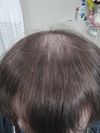
A user experienced a hard lump under their nipple and increased hair loss after four months of finasteride. They are concerned about the lump and plan to stop the treatment.
The user is using a hair loss treatment involving dutasteride, minoxidil, finasteride, microneedling, and supplements like multivitamins, D3 K2, and Omega 3 fish oil. They are considering adding tretinoin and are open to suggestions while managing gut issues.
The conversation discusses the pros and cons of using propylene glycol versus ethyl alcohol in topical solutions for finasteride and minoxidil. It questions why propylene glycol is commonly used and whether ethyl alcohol might be a better option.
The conversation discusses a user's plan to inject NAD+ and GHK-Cu into their scalp to improve hair health, with concerns raised about the risks of infection and necrosis. Alternatives like finasteride, dutasteride, microneedling, oral minoxidil, and scalp massages are suggested.
The conversation is about finding a source for sterile dutasteride for mesotherapy to avoid side effects from oral 5AR blockers. The user is currently using microneedling and 0.01% topical dutasteride and plans to use transplants.
The conversation discusses a botanically derived treatment for androgenetic alopecia using ingredients like saw palmetto, green tea, and evening primrose, showing impressive results over 270 days. Concerns include the study's uncontrolled nature and potential product motivation, with suggestions to enhance absorption through derma rolling.
A user experienced severe side effects, including heart issues, after taking oral minoxidil without consulting a doctor. They are now considering alternatives like dutasteride, PRP, or laser treatments for hair loss.
A 20-year-old with stage 3 hair loss saw good results using Topical Min 5%, Oral Fin 1mg, DHT Blocker Shampoo, and DHT blocking and Vitamin gummy. The doctor advised stopping Fin after six months due to hormone concerns, but the user is hesitant.
The efficacy of various hair loss treatments, including Finasteride and Dutasteride, with personal anecdotal evidence about potential side effects. It also includes advice to get a male hormone blood panel done before starting treatment, and lifestyle changes to minimize side effects.
A user shared a blog post by "swissTemples" claiming to have reversed hair loss using a combination of treatments including suppressing PGD2 and increasing PGE2. The user noted that "swissTemples" has been banned from forums, possibly due to conflicts of interest.
Mixing Nizoral and T-Gel in a 1:1 ratio and using it three times a week provided relief from persistent seborrheic dermatitis. This treatment is recommended for those with stubborn SD.
User "manlycoffee" shares 25-month progress using Dutasteride, RU58841, Minoxidil, Microneedling, Nizoral, T/GEL, and fixing vitamin D levels for hair loss. Users discuss sources, experiences, and side effects of treatments.
The conversation is about using finasteride and testosterone replacement therapy (TRT) for hair loss and their role in gender-affirming care. It debates whether these treatments are considered hormone replacement therapy (HRT) and their implications for both cisgender and transgender individuals.
A 21-year-old woman with female pattern baldness has tried minoxidil, red light therapy, and supplements without success. She is considering spironolactone and seeking medical advice.
A 21-year-old experiencing aggressive hair shedding is considering treatments like Propecia (finasteride) and Rogaine (minoxidil) to slow or stop hair loss. Recommendations include using these treatments along with Nizoral Shampoo, hair vitamins, and a derma roller to maintain and potentially regrow hair.
A 20-year-old male is unsure how to interpret his bloodwork results and whether he should take finasteride for hair loss. His bloodwork shows borderline high levels of albumin and testosterone, and high progesterone, but normal levels of other hormones.
The user stopped finasteride while trying to conceive and switched to oral minoxidil, ketoconazole shampoo, minoxidil foam, tretinoin, and microneedling. They are considering dutasteride mesotherapy but are unsure of its safety during conception.
The conversation humorously discusses hair loss treatments, focusing on finasteride, dutasteride, and minoxidil, with users joking about misleading others to keep treatments secret. It includes sarcastic comments about side effects and ineffective remedies.
The user has not seen results from various hair loss treatments including finasteride, dutasteride, minoxidil, and others over several years and is considering adding RU58841 and starting hormone replacement therapy. They are also experiencing anxiety and contemplating moving to a more accepting environment for their nonbinary identity.
A 24-year-old male is experiencing hair thinning and feels hopeless, considering treatments like finasteride and minoxidil but is concerned they might not work. He is also contemplating a dermatologist visit and is unable to afford a hair transplant.
A 25-year-old woman is experiencing hair loss and is unsure if it's due to iron deficiency or female pattern baldness, as diagnosed by her dermatologist. She is considering using Minoxidil but is hesitant and seeks advice on whether increasing her iron levels could help.
A 24-year-old woman with thinning hair is using Minoxidil, saw palmetto, biotin, rosemary oil, and ketoconazole. She seeks advice on whether to try finasteride or dutasteride, the effects of Minoxidil shedding, and the significance of her hair follicle condition.
A 21-year-old experienced hormone changes after using self-made topical finasteride for hair loss, including a 20% decrease in DHT, a 47% increase in testosterone, and a 39% increase in estradiol. The user previously used minoxidil and microneedling but is now seeking ways to balance hormones, possibly through supplements or dosage adjustments.
Finasteride and Minoxidil are popular treatments for hair loss, but opinions vary on their effectiveness and side effects. Some users report success, while others experience issues like gynecomastia or sexual dysfunction.
An 18-year-old male is experiencing significant hair shedding, particularly from the back of his head, despite normal blood test results except for slightly low vitamin D. A dermatologist prescribed minoxidil for receding temples, but the cause of the shedding remains unclear.
A 19-year-old trans female has been using topical minoxidil and dermarolling for nearly two months, alongside oral minoxidil, finasteride, spironolactone, and estrogen. She noticed significant hair improvement after starting topical minoxidil and dermarolling.
A user discusses their hair thinning journey, starting minoxidil at 16, switching treatments, and experiencing significant shedding after resuming minoxidil. They are now using minoxidil daily and considering PRP if shedding continues, while also planning lifestyle changes to improve their condition.
Pp405 is discussed as a potential hair loss treatment, with humorous suggestions about rectal administration for increased effectiveness. Users joke about unconventional methods and express willingness to try anything for hair regrowth.
A user shared their positive experience with a hair transplant in Turkey, using 4350 grafts, and described it as the best decision of their life. They discussed using finasteride to maintain non-transplanted hair and addressed questions about the procedure and recovery.