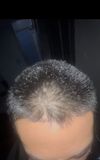
User shared 12-month hair loss progress using oral minoxidil, oral dutasteride, and 2% ketoconazole shampoo. They detailed their medication regimen and dosages.
The user experienced good hair regrowth over three months using a daily topical spray of 0.3% finasteride and 6% minoxidil on the hairline, with no significant side effects. The brand used was Hims.
The user is using a regimen of topical finasteride (.025% concentration), minoxidil, Nutrafol, and vitamin D to address hair loss. They experienced initial side effects but reported improvement over 11 weeks and are considering increasing the dosage.
The user experienced hair regrowth and reduced dandruff using ketoconazole shampoo mixed with peppermint oil, without side effects. Minoxidil caused unwanted facial hair, and finasteride had side effects, so they avoided these treatments.
The user is experiencing hair loss and has tried natural remedies like hibiscus shampoo and an oil mixture with coconut oil, curry leaves, fenugreek seeds, and castor oil, but saw no lasting improvement. They are advised to consult a dermatologist and consider treatments like finasteride, minoxidil, and Nizoral shampoo.
A user experienced hair loss and texture changes, tried minoxidil and finasteride, and considered antihistamines like Cetirizine for potential histamine issues. They reported improved alertness but continued shedding.
The conversation discusses hair loss shampoos, highlighting those containing caffeine and adenosine. It also mentions treatments like Minoxidil, finasteride, and RU58841.
The user is considering starting topical minoxidil to address a receding hairline and mild dandruff. They are seeking advice on potential effects and side effects of the treatment.
The conversation discusses hair loss treatments, specifically the use of topical minoxidil and derma-stamping, with suggestions to add finasteride or dutasteride for better long-term results. Ketoconazole shampoo is also considered for scalp health.
User experienced dandruff after starting Nizoral and switching to a lemon-scented shampoo. They stopped using Nizoral and plan to switch back to unscented shampoo to resolve the issue.
The conversation discusses managing hair loss and seborrheic dermatitis with treatments like minoxidil, finasteride, and saw palmetto, emphasizing the importance of scalp health and DHT reduction. The user shares personal experiences and suggests a balanced approach, combining topical treatments and lifestyle changes for effective hair regrowth.
The conversation discusses the potential for high doses of dutasteride to completely inhibit scalp DHT and speculates whether this could cure baldness when combined with a topical antiandrogen. Specific dosages mentioned are 0.5 mg reducing scalp DHT by 55% and 2.5 mg by about 79%.
The user is struggling with seborrheic dermatitis and plans to try ciclopirox olamine after finding ketoconazole too drying. They are also using finasteride daily.
A 33-year-old male experienced sudden, rapid hair loss, possibly due to a reaction to mentholated shampoo and undiluted tea tree oil, with a history of seborrheic dermatitis. He is currently taking finasteride, vitamin D3, a multivitamin, and biotin, and is seeking further medical evaluation.
Silicone-based shampoos and conditioners may leave a layer on the scalp that could affect the absorption of topical hair loss treatments like Fluridil. The user is considering switching to silicone products to manage frizzy hair but is concerned about this potential issue.
Seborrheic dermatitis can cause hair loss, and treatments like ketoconazole shampoo, topical steroids, and oral antifungals may help. Some consider using finasteride and minoxidil for hair loss despite dermatitis.
The conversation discusses the effectiveness of Procapil and Vitamin Shampoo for hair loss. Users also mention treatments like Minoxidil, finasteride, and RU58841.
DutchFella1993 has been using a lotion with finasteride and minoxidil for hair regrowth with some success and is considering using ketoconazole shampoo daily to reduce scalp itchiness. There's concern about the harshness of daily shampooing and twice-daily lotion application, and one reply suggests that daily use of ketoconazole may damage hair and questions its effectiveness, while also noting that once-daily minoxidil application is sufficient.
The user experienced hair loss and used minoxidil, biotin shampoo, and supplements like biotin, zinc, fish oil, saw palmetto, and B vitamins, which initially stopped hair loss but did not promote regrowth. They suspect heat causes a dry, flaky scalp leading to hair loss and are considering using a supplementary shampoo and possibly finasteride.
The conclusion of the conversation is that the user "Shakalakaplaka" shares their comprehensive hair loss regimen, which includes various treatments targeting different pathways such as DHT, inflammation, fibrosis, immune system, testosterone, gut problems, and scalp health. The effectiveness of the regimen is not confirmed, and some users express skepticism or request before and after pictures for credibility.
The user is experiencing diffuse androgenic alopecia and is trying various treatments, including 5mg finasteride, loniten, and Formula 82D, which contains dutasteride, a steroid, and tretinoin. They report potential regrowth with Formula 82D, despite previous treatments being ineffective.
The user treated seborrheic dermatitis by cutting sugar, improving sleep, using four different shampoos, and occasionally using steroids. Their hair is growing back thicker and new hair is appearing.
A user with diffuse thinning noticed stubble-like hairs on their scalp after using 2% ketoconazole shampoo, dermarolling, castor oil, Vitamin D3, biotin, and iron supplements. They are unsure if this indicates regrowth or miniaturized hairs.
Salicylic Acid shampoo may hinder topical minoxidil but not oral minoxidil, which works through the liver. The user plans to continue using oral minoxidil and is concerned about the shampoo's effect on it.
A 19-year-old is experiencing worsening hair loss and severe seborrheic dermatitis despite using finasteride for six months. Nizoral (ketoconazole) is no longer effective, and they are seeking over-the-counter solutions and advice for an upcoming dermatologist visit.
The user experiences scalp inflammation, especially when oily, despite using treatments like dutasteride, oral minoxidil, RU58841, and nizoral. They recently started cetirizine and are considering benzoyl peroxide wash for relief.
The user experienced hair loss from overwashing and frequent product changes, seeking alternatives to Minoxidil due to having pets. Suggestions included using oral Minoxidil, ketoconazole shampoo, and maintaining a consistent hair care routine with gentle, sulfate-free products.
User suggests finding unknown baldness cure by applying random items on scalp and reporting results after 6 months. Various users humorously agree to try different substances, including whale sperm and hydrochloric acid.