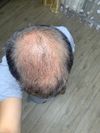
The conversation discusses a topical finasteride therapy with hydrocortisone butyrate, estrone base, and breviline. A user suggests oral finasteride as a superior option.
The conversation is about hair loss treatments, including minoxidil, finasteride, dutasteride, tretinoin, stemoxydine, adenosine, castor oil, baicalin, and bimatoprost. The user shares their nightly and morning routines and discusses the role of DHT in hair loss.
A user discusses a novel hemp extract for hair regrowth, which showed superior results to finasteride and minoxidil. The formula includes CBD, CBDV, THCV, delta 9 THC, cannabigerol, and cannabinol, combined with menthol, peppermint oil, ethanol, Emu oil, HFA 134A propellant, and dimethicone.
Hair loss recovery using estrogen and anti-androgen treatment for 18 months showed significant improvement. However, results vary and alternative treatments like RU58841 and Dutasteride may work without systemic feminization.
The conversation discusses various factors affecting hair loss, not just DHT, and mentions treatments like Minoxidil, finasteride, and melatonin. Some users report personal experiences with these treatments and hormone tests, while others speculate on the role of hormones like prolactin and cortisol in hair loss.
AMP-303 and AMP-601 are new hair loss treatments targeting dermal papilla cells, with AMP-303 showing early efficacy in transitioning vellus hairs to terminal hairs after one injection. Further clinical trials are planned, and these treatments are seen as promising due to their biologic approach and less frequent application compared to daily treatments.
The user experienced significant hair regrowth using finasteride and minoxidil, leading to doubts about proceeding with a planned hair transplant. Many suggest postponing the transplant to save grafts for future needs, as the current results are impressive.
L'Oreal is working on hair cloning, with multiple companies using similar techniques, making hair cloning likely by 2030. The conversation expresses optimism about the progress and potential affordability of hair cloning solutions.
The user has been using oral minoxidil, dutasteride, RU58841, and other treatments for hair loss over nine months, seeing some improvement in hair thickness and crown volume but continued thinning at the hairline. They plan to continue treatment for another nine months despite being sensitive to DHT fluctuations and are considering increasing dosages or other options like a hair transplant.
A 28 year old man's 18-month journey to treat his hair loss with Dutasteride, RU58841, Minoxidil, Microneedling, Nizoral and T/GEL. He experienced some side effects along the way, including translucent semen and scalp less oily.
The conversation discusses the potential benefits of creating a hydrophobic version of finasteride to reduce systemic side effects while maintaining scalp health. It compares this idea to fluridil, which is designed to be hydrophobic and has less systemic absorption.
The post discusses a hair loss treatment regimen using saw palmetto, pumpkin seed oil extract, EGCG (green tea) extract, grape seed oil extract, rosemary oil extract, and Zix. The user plans to use these DHT-blockers and 5AR inhibitors for six months and report the results.
A 16-year-old female experiencing severe hair loss and sebum buildup, likely due to telogen effluvium and PCOS, is currently using vitamin D3 supplements, Redenser serum, and T follihair supplements. Recommendations include addressing PCOS first and consulting a doctor.
A 20-year-old is experiencing severe hair loss and is considering using dutasteride and finasteride, worried about potential side effects. They feel depressed and isolated due to hair loss, and are exploring options like hair transplants and hair systems but are hesitant about faking it.
The user, Virtual_Force3845, shared their progress pictures after using Hims Fin/Min Spray consistently for 3-4 months. They are excited about the progress and have not experienced any side effects. Other users in the conversation shared their own experiences and asked questions about the treatment.
A 35-year-old man had a hair transplant in 2019 but experienced further hair loss due to not using finasteride or minoxidil. Many suggest shaving his head or considering a hair system, as his donor area is depleted and further transplants may not be viable.
A 23-year-old male experienced hair thinning and side effects from finasteride and minoxidil. He found improvement in hair health and other symptoms by using mouth tape at night, suggesting better oxygen intake might help with hair loss.
People are hopeful for a permanent hair loss solution by the 2030s, considering options like hair cloning and treatments like pp405. Synthetic hair transplants have been attempted but are not effective long-term.
The user had four DHI hair transplants from 2021 to 2025 and is concerned about the lack of hair thickening despite using treatments like finasteride and minoxidil. They are seeking advice on why these efforts aren't working.
A 29-year-old is experiencing hairline loss and has been using oral finasteride and topical minoxidil for two months, considering adding RU58841. They are advised to get a blood test for deficiencies and to style their hair instead of frequent haircuts.
MCL-1 is important for hair follicle stem cell survival, but its impact on human hair regrowth is unclear. Minoxidil and finasteride are the main treatments, with doubts about new discoveries leading to effective human solutions soon.
The conversation discusses a 20-year-old transgender female's one-year experience with hair loss treatments, including Estradiol HRT, oral Finasteride, Bicalutamide, and Cyproterone. Specific treatments used for hair loss are oral Finasteride and potentially Estradiol as part of hormone replacement therapy.
A 57-year-old man shared his 6-month hair regrowth progress using RU58841, Minoxidil, microneedling, and Nizoral. He experienced significant improvement, with a smaller bald spot, thicker hair, and hairline regrowth.
A 38-year-old is considering using finasteride and minoxidil for hair loss, despite already having significantly reduced DHT levels. They are unsure whether to try finasteride, minoxidil, or topical finasteride to see if it affects their hair loss progression.
The conversation discusses a 13-month hair loss treatment update using dutasteride, minoxidil, nizoral, and a 1.5mm derma roller, with the original poster reporting no side effects and some improvement in hair thickness. Participants request before-and-after pictures with consistent hairstyles to better assess the treatment's effectiveness.
The user is considering a hair transplant at 25 after experiencing hair loss despite using finasteride, minoxidil, and recently starting dutasteride. They are advised to continue DHT blockers post-transplant to prevent further hair loss and are considered an ideal candidate for a transplant.
The conversation discusses using finasteride, dutasteride, RU58841, and testosterone to combat hair loss and block DHT, with some users expressing concerns about side effects and vegan options for medication. The discussion also touches on personal experiences with hormone treatments and the desire to maintain a youthful appearance.
The user plans to test for DHT, total testosterone, free testosterone, E2, SHBG, and prolactin while supplementing with vitamin D and monitoring ferritin levels. They are experiencing hairline thinning and are seeking advice on whether their approach is excessive or lacking.
The conversation discusses hair loss treatments, including Minoxidil, finasteride, and RU58841. It highlights an interview with Stemson Therapeutics CEO Geoff Hamilton about advancements in hair cloning technology.