RU58841 is not recommended for use around children due to potential exposure risks. Alternatives like CB-03-01 might be considered, but further research is advised.
A user is seeking advice on increasing graft survivability after a hair transplant, mentioning PRP, Mesotherapy, Stem Cell injections, and considering L-Arginine before starting Minoxidil. They are looking for ways to support blood flow before applying Minoxidil.
A user shares a routine using Nizoral 2% shampoo twice a week, followed by Ego QV Nourishing Shampoo and Conditioner, and Schwarzkopf Extra Care Hair Treatment Oil to prevent dryness and maintain healthy hair texture. Others discuss similar experiences with ketoconazole, noting improvements in dryness and reduced hair shedding.
PP405 is a promising new treatment for hair loss that activates dormant stem cells in hair follicles, potentially bypassing the effects of DHT. It is currently in phase 2 trials and could be available between 2027 and 2030, but it is not considered a definitive cure.
OP has been using 5% minoxidil twice daily for a year, resulting in some baby hair growth, but many have not matured. They are questioning if they are overusing minoxidil.
Hair loss treatments, including PP405, minoxidil, finasteride, and RU58841, with hopes for future solutions. Participants discuss the emotional impact of hair loss and consider alternatives like hair transplants or acceptance.
Topical minoxidil may cause skin aging effects like wrinkles and dark circles, possibly due to its alcohol content, while oral finasteride is reported to make users look younger. Switching to oral minoxidil or using moisturizers might help reduce these skin issues.
A 42-year-old user shared a 4-month update on their hair regrowth using a "nuclear stack" including oral and topical minoxidil, dutasteride, RU58841, micro-needling, keto shampoo, saw palmetto, biotin, multivitamins, scalp massages, and inversion table. They reported significant progress with minimal side effects and plan to continue the routine.
User discusses a topical hair solution containing Tretinoin, Dutasteride, and Ketoconazole, and asks if it's safe to combine and leave in hair. Concerns include Ketoconazole being left in hair and Tretinoin's effects with Dutasteride and Ketoconazole.
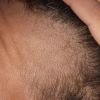
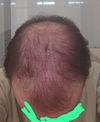
The user shared progress pictures after three months of using RU58841, finasteride, and OM (oxidative stress modulators) for hair loss treatment. They haven't noticed much change but are seeking feedback on their results.
The conversation discusses using 0.1% Alfatradiol compounded by a pharmacy for hair loss treatment. It also mentions Minoxidil, finasteride, and RU58841 as other treatments.
The conversation discusses the application frequency of Koshine 1% for hair loss, with conflicting instructions between Amazon and the main website. The user is unsure whether to apply it once or twice daily.
The user is documenting their experience with oral dutasteride (dut) 0.5 mg and minoxidil (min) 5 mg for hair loss, planning to add RU58841 after three months. They previously used finasteride with success and are now experiencing increased shedding but also new hair growth.
A new alcohol-free, propylene glycol-free topical finasteride foam is available for prescription in Canada and the USA, offering a cleaner alternative for hair loss treatment. The product also offers a combination of 0.1% finasteride with 5% minoxidil and aims to be affordable and less irritating for sensitive scalps.
The user experienced red pimples and a rash from using topical minoxidil, possibly due to propylene glycol. Suggestions included seeing a dermatologist, switching to foam without propylene glycol, using Nizoral, and adjusting application timing.
The conversation discusses using RU58841, Minoxidil, and finasteride for hair loss treatment. It focuses on homebrewing RU58841 while using other treatments.
HMI-115, a potential treatment for hair loss that has been reported to produce significant regrowth in bald areas. It is the closest thing to a cure currently available and has raised hope that it could make hair transplants obsolete.
A 17-year-old is considering using minoxidil (OM) for hair thinning but is concerned about potential side effects and hormone disruption. They plan to use rosemary oil, ketoconazole shampoo, hair peptides, microneedling, and scalp massages as part of their treatment.
The user has been using topical minoxidil and finasteride for six months and is seeing some hair regrowth. Other users suggest not to stop using the products as gains could disappear quickly, and some people respond better to topical treatments than pills.
The user is concerned about hair regrowth after using 2% minoxidil and keraglow vitamins for three months, noticing shedding but no significant improvement. They plan to switch to 5% minoxidil and consider finasteride for better results, as they have been diagnosed with male pattern baldness.
A user shared their successful 50-day progress using oral minoxidil and finasteride for hair loss. They plan to switch to dutasteride after six months for potentially better results.
A 44-year-old man experienced significant hair regrowth after switching from topical to 1.25mg oral minoxidil and 0.5mg daily finasteride, with no side effects. He noticed hair thickening after two months and credits the oral form's effectiveness.
A user is experimenting with a DIY topical solution combining finasteride and minoxidil for hair loss, applying 0.5 mg of finasteride daily. Concerns include absorption issues, potential side effects, and product loss due to hair density, with some users suggesting oral intake for better results.
A 29-year-old male is using alcohol-based 5% topical minoxidil, oral minoxidil 2.5 mg daily, and dermarolling to address hair loss, after discontinuing topical finasteride due to sexual side effects. He notices improved hair quality and thickness but is concerned about density and seeks feedback on his progress.
The conversation discusses concerns about the effectiveness of RU58841 due to high temperatures during delivery. A user reassures that the heat will not affect its efficacy.
2-deoxy-d-ribose hair serum is now available in Australia, potentially aiding hair loss by promoting new blood vessel growth. Users are discussing its potential effectiveness compared to other treatments like Minoxidil, finasteride, and RU58841.
The conversation discusses the use of peptides C60 and GHK-Cu for hair growth. Participants are sharing their experiences or knowledge about these treatments.