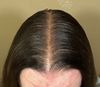
User shared 3-year progress on Finasteride and Minoxidil for hair loss. Experienced cycles of hair worsening before improving, takes 1mg Fin daily and topical Minoxidil.
The conversation discusses switching from a dermaroller to a dermastamp for microneedling, with recommendations on technique and frequency to avoid bleeding. The user also uses minoxidil and dutasteride for hair loss treatment.
The user shared their one-year hair growth progress using a daily Fin/Min chewable tablet, noting some inconsistency in usage but still achieving results. They use Head & Shoulders shampoo and have not mentioned any side effects.
The conversation discusses an extensive hair loss treatment regimen including dutasteride, GT20029, RU58841, pyrilutamide, minoxidil, microneedling, ketoconazole shampoo, and experimental compounds. The user humorously describes their approach as a comprehensive strategy to combat hair loss while maintaining hair growth.
The conversation humorously discusses the lack of representation for balding men in media, with some users suggesting haircuts for receding hairlines and joking about treatments like finasteride and dutasteride. It highlights the irony of using models with perfect hair to advertise hair loss solutions.
The user experienced hair improvement using a topical finasteride, minoxidil, and tretinoin combo, along with supplements like zinc, copper, magnesium, vitamin D3, K2, iodine, and boron. They believe these changes are due to addressing mineral deficiencies and possibly thyroid issues, despite skepticism from others.
Minoxidil alone is not enough for long-term hair growth without a DHT blocker like finasteride or dutasteride. Users suggest trying lower doses of finasteride or switching to dutasteride to manage side effects and improve results.
The user experienced significant hair regrowth using minoxidil, finasteride, and Nizoral shampoo, with initial shedding but eventual improvement. They plan to continue the treatment after regaining lost progress from stopping minoxidil.
OP saw positive results from 4 months of finasteride, vitamin D3, and microneedling. They plan to add rosemary and castor oil but decided against using minoxidil.
A user discusses their doctor's recommendation of vitamins, biotin, collagen, shampoos, and 2.5mg minoxidil for hair loss. Replies suggest minoxidil is useful, and finasteride should be added for male pattern baldness.
A 21-year-old user has been using finasteride 1mg daily since March 11 and ketoconazole 1% 2-3 times a week since April 22, with no significant side effects. They are questioning if they are seeing early hair regrowth after 2.5 months of treatment.
User suggests using a blow dryer after applying Minoxidil for hair loss treatment, and shares personal success with temple regrowth using Minoxidil and Finasteride. Another user shares their method of applying Minoxidil with long hair and agrees with blow-drying.
LagRag revived their hair using finasteride, minoxidil, derma rolling, dermapen, and biotin shampoo. Users discussed the effectiveness and requested photos with different hair positions.
User experienced significant hair regrowth with multiple treatments, but then had a brutal shedding period, losing progress. Others questioned the number of treatments used and potential side effects.
Hair loss treatments, with people sharing their experiences of trying to get help from family members and how genetics can affect the severity of hair loss. Treatments mentioned include finasteride, minoxidil, RU58841, scalp massage, whey protein and bleaching.
A 20-year-old in Italy struggled to get a finasteride prescription from multiple dermatologists due to concerns about side effects and age, despite using minoxidil. Eventually, they obtained a prescription from a hair transplant surgeon.
A user shared their positive experience with MoriTint, a Korean scalp micro pigmentation technique that enhances the appearance of hair density without being permanent. They now offer this service in Los Angeles and emphasize its benefits for those with thinning hair, while clarifying it is not suitable for those with significant hair loss or baldness.
People are discussing creative ways to hide hair loss, such as using specific hairstyles and hair fibers. Some mention using medications like Minoxidil and finasteride to improve hair growth.
The user underwent two hair transplants, started taking finasteride, oral minoxidil, and dutasteride, and began micro-needling to improve hair density and manage hair loss. They also focused on curly hair care techniques, resulting in noticeable improvements in the hairline and overall appearance.
The user is happy with the results of using 1mg finasteride daily for three years, reporting stopped hair loss and mild regrowth without side effects. They avoid minoxidil due to concerns about application and potential risks, and they use 2% nizoral shampoo weekly.
The user has been using finasteride and minoxidil for hair loss but is experiencing thinning at the crown and is considering a hair transplant. They are seeking advice on other treatments to try before proceeding with a transplant and how to find a reputable doctor.
A user with mild psoriasis on the scalp is using finasteride, topical minoxidil, and dermarolling for hair loss but plans to stop minoxidil on the crown due to psoriasis aggravation. Suggestions include switching to a lipid-based minoxidil, using Ketoconazole shampoo, or trying oral minoxidil.
The user experienced significant hair regrowth using Propecia (finasteride) 1 mg and topical minoxidil twice a day over 16 months, despite initial shedding. The user no longer needs a hair transplant and reports no side effects from the treatment.
Curly and wavy hair can make hair loss appear worse due to clumping, but using less product, shorter cuts, and leave-in conditioner can help manage appearance. Minoxidil and finasteride are considered for treatment, and some find that styling can hide thinning areas.
Avoid burning or scarring the scalp for hair growth; instead, use treatments like finasteride, minoxidil, or consider a hair transplant. Microneedling should be done carefully, and extreme methods can cause harm.
A user shared their positive experience with a hair transplant at Smile Hair Clinic, using treatments like oral finasteride, minoxidil, and dutasteride. They reported no side effects, significant improvement in hair density, and satisfaction with the results.
A user switched from finasteride and minoxidil to dutasteride and increased their oral minoxidil dose to 5mg daily, resulting in significant hair regrowth in three months. They stopped using tretinoin and reported minimal hair shedding and noticeable new hair growth.
A 20-year-old male experienced significant hair regrowth and reduced shedding after four months of using 2.5mg oral minoxidil, 1mg oral finasteride, and weekly 1.5mm derma stamping. He reported no side effects from the treatments and noted increased hair growth in other areas of his body.
A 20-year-old reports worsening hair loss despite using dutasteride and minoxidil, and considers a hair transplant. Users suggest continuing treatments, trying microneedling, ketoconazole shampoo, switching to finasteride, or adding tretinoin.