Dutasteride doses matter for hair loss treatment and are more effective than finasteride. RU58841 is suggested for better gains, but side effect profiles should be considered.
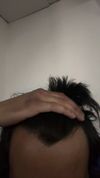
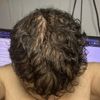
The user experienced significant hair improvement after 7 months of using Dutasteride (DUT) every other day, with no side effects, unlike previous experiences with Finasteride (FIN) and Minoxidil (MIN). The user plans to continue DUT for up to 24 months and is considering a hair transplant for further results.
The user has been taking 1mg finasteride daily for a year with no improvement in hair loss and reports low cortisol levels, sleep issues, and anxiety changes. The conversation includes discussions on the potential effects of finasteride on cortisol and neurosteroids, with suggestions to consult a doctor and consider other factors.
Genetic variations influence how people respond to dutasteride for hair loss, with some benefiting more from finasteride. Dutasteride is effective for most, but genetic differences may cause it to be less effective for some.
The user is trying Hair + Me's 5% minoxidil and 0.1% finasteride topical, which has a different carrier and pleasant smell compared to traditional alcohol-based formulas. They are seeking feedback on its effectiveness compared to classic formulas.
The conversation discusses hair transplant experiences and decisions, focusing on whether individuals would choose the same doctor again. Treatments mentioned include Minoxidil, finasteride, and RU58841.
A user's progress with hair loss treatments such as derma pen, minoxidil/finasteride topical, RU58841, oils and Hims shampoo over 6 months. The replies are full of encouragement for continued progress.
Hope Medicine's HMI-115 is expected to be released in 2027, with phase 3 trials currently recruiting. Concerns include the safety of targeting prolactin and the potential cost of the treatment.
An 18-year-old is concerned about potential balding and seeks advice. They are unsure if their hairline is a widow's peak or if they are experiencing hair loss.
The conversation is about experiences with Dutasteride Mesotherapy and its symptoms compared to oral dutasteride. Users discuss the effectiveness and side effects of this treatment for hair loss.
The conversation is about a user seeking information on a clinical trial by Amplifica - Scube3 for Androgenetic Alopecia (AGA). The user is unsure if it's a formal phase 1 study.
A 37-year-old male has been using finasteride for 5 years and dutasteride for 9 months to address hair loss, noticing improvements but also some recent thinning. He experienced no significant side effects from either treatment, except a slight decrease in semen volume with dutasteride, and is considering trying oral minoxidil again despite previous side effects.
The user has been using finasteride and minoxidil for over 7 years, switched to dutasteride 3 years ago, and is satisfied with the results. They experienced no noticeable side effects and use minoxidil on their hairline and temples.
The conversation discusses hair loss treatments, specifically the transition from finasteride and minoxidil to dutasteride, with positive results reported by the original poster. Users share experiences with these treatments, noting varying effectiveness and side effects.
The user experienced mental side effects from both oral and topical finasteride and is considering trying dutasteride or liposomal topical finasteride. They are concerned about potential worsening of hair loss if they quit dutasteride.
The user is seeking opinions on their hair loss, specifically the receding of their right temple. They are considering switching to Dutasteride but are unsure if it will help. Other users suggest that their hairline has improved with the use of Finasteride and Minoxidil. One user mentions using RU58841 to thicken their hairline.
The user has been on finasteride for 17 months and recently switched to dutasteride, sharing bloodwork results showing no side effects. They express a wish to have started treatment earlier to save their hair.
A 19-year-old concerned about long-term effects of 5AR inhibitors on physical appearance. They have used finasteride and plan to try dutasteride or RU58841; responses suggest improved skin, hair, and confidence.
The user shared their 6-month progress using Dutasteride .5 daily, RU 100mg once a day, and 15 mg oral Minoxidil for hair loss. They reported visible results, no side effects, and increased body hair, despite concerns from others about the high dosage and potential health risks.
The treatment for androgenetic alopecia involves using finasteride and minoxidil with intense exercise and cold exposure to boost metabolism and reduce androgenic effects, potentially leading to hair regrowth. This approach may activate biological pathways for improved hair and overall health.
The conversation humorously discusses hair loss and potential treatments like finasteride and minoxidil. It includes playful banter and jokes about appearance and identity.
The user improved their hair loss from a Norwood scale 2.5/3 to 1.5/2 using treatments including 2.5 mg dutasteride, RU58841, 15 mg oral minoxidil, isoflavones, NAC, pumpkin seed oil, NAD+, and Vipelin, but still experiences temple recession. Other users expressed concern over the high dosages of oral minoxidil and dutasteride.
A 17-year-old is experiencing diffuse thinning, dandruff, body hair shedding, and other symptoms, possibly linked to seborrheic dermatitis or telogen effluvium. They are using ketoconazole shampoo and considering blood tests to check for thyroid issues or deficiencies.
The user has DUPA and suspects autoimmune activity as a cause. They have tried various treatments including finasteride, minoxidil, dutasteride, pyrilutamide, estrogel, hydrocortisone, and clobetasol, and are now seeking a long-term immunosuppressant.
A 26-year-old male experienced significant hair regrowth using a 4-in-1 topical treatment from Hims, which includes minoxidil, finasteride, ketoconazole, and biotin, over four months. The user reported increased body and beard hair, skin changes, and no negative sexual side effects, while others noted the rapid and impressive results as atypical.
A user on dutasteride for hair loss noticed hair regrowth on their head but a significant reduction in body hair growth. They plan to switch to finasteride and dutasteride and are considering testosterone replacement therapy but are concerned about its effects on hair growth.
A user shared their experience using dutasteride for hair loss, noting subtle improvements and thicker hair without significant regrowth. They did not use finasteride or minoxidil, and experienced occasional shedding but no side effects.
A 31-year-old man with a long history of hair care is considering a hair transplant and is worried about using Finasteride and Minoxidil due to potential side effects. He seeks advice on whether to start Finasteride before or after a transplant and how to test for sensitivity to these treatments.
The conclusion of the conversation is that the user, djamezz, has experienced significant regrowth and improved density in their hairline by using treatments such as RU (RU58841), dut (dutasteride), and Inkey's Caffeine Scalp treatment. They are satisfied with their progress and do not plan to cut off their hair.