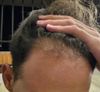
Dutasteride significantly reduces DHT levels, potentially more effectively than finasteride, and is used to treat hair loss. Some users report side effects like reduced libido and mood changes, while others experience hair regrowth and increased testosterone.
Dutasteride tablets are less effective than softgel capsules because they require a fat-based environment for proper absorption. Softgel capsules, like Avodart, are designed to maximize bioavailability, while powdered tablets may result in significantly lower DHT suppression.
The user restored their hairline using a daily pill with 1mg Finasteride, 2.5mg Minoxidil, and 10mg Biotin, but switched to 0.5mg Dutasteride, 2.5mg Minoxidil, and 10mg Biotin due to side effects. They hope the switch will alleviate issues with sex drive and ejaculation.
Some users experienced side effects like low libido and erectile dysfunction with finasteride but found relief and hair regrowth with dutasteride. Others reported no issues with either drug, while some preferred dutasteride for long-term hair maintenance.
The user has been using various hair loss treatments, including dutasteride, oral minoxidil, finasteride, RU58841, and dermarolling, but feels they may have lost hair and is considering a hair transplant. They are advised to stick to one treatment for 6-12 months to see results, as frequent changes may hinder progress.
Isotretinoin may cause hair loss by increasing DHT through a precursor androgen, DHEAS. Treatments like topical antiandrogens (RU58841, pyrilutamide) and drugs increasing PPAR-y expression (pioglitazone) might prevent this hair loss.
Switching from finasteride to dutasteride led to hair loss despite continued use of minoxidil. Many recommend reintroducing finasteride, as responses to treatments can vary.
The conversation discusses the effectiveness of a "Hair growth complex" pill, with skepticism about its ingredients like saw palmetto and anagain. Users suggest saw palmetto may help slightly with DHT-related hair loss, but it's less effective than finasteride or dutasteride.
A 26-year-old from the UK is experiencing increased hair thinning despite using dutasteride and topical minoxidil. They are considering additional treatments like ketoconazole shampoo, oral minoxidil, and possibly RU58841, while seeking advice on managing side effects and exploring other options.
The user shared their 6-month progress using Dutasteride .5 daily, RU 100mg once a day, and 15 mg oral Minoxidil for hair loss. They reported visible results, no side effects, and increased body hair, despite concerns from others about the high dosage and potential health risks.
Chime Biologics and Hope Medicine are speeding up the launch of a first-in-class antibody drug, HMI-115, for endometriosis and androgenic alopecia. The treatment involves a series of subcutaneous injections, has shown promising results in phase 1, and continues to promote hair regrowth even after the treatment is stopped.
A humorous discussion about forming a "religion" around dutasteride for hair loss treatment, with members jokingly pledging allegiance and sharing experiences. Some users mention switching from finasteride to dutasteride, noting differences in side effects and effectiveness.
Dutasteride is considered by some users to be more effective and have fewer side effects than finasteride for hair loss treatment. Users discuss switching from finasteride to dutasteride, with some reporting better results and fewer side effects, while others advise patience with finasteride as results can take time.
Switching from finasteride to dutasteride can reduce scalp DHT levels more effectively. The discussion includes using minoxidil, finasteride, and RU58841 for hair loss treatment.
The conversation discusses hair loss treatments using oral minoxidil, oral dutasteride, and mesotherapy dutasteride, showing impressive 6-month results. The user wishes these treatments were available in the U.S.
The user switched from finasteride to dutasteride due to side effects and hair thinning, and experienced thicker hair with no side effects after five months. The conversation includes positive feedback and questions about the transition process.
The user stopped oral treatments due to side effects and switched to a regimen of topical minoxidil, tretinoin, azelaic acid, and dermaneedling, with recent addition of topical finasteride. They are questioning the long-term effectiveness of non-hormonal methods and considering hair transplantation.
A 30-year-old male with thinning hair and an itchy, oily scalp found that hydrocortisone cream eliminated dandruff and itching and seemed to thicken his hair. He avoided minoxidil and finasteride due to potential side effects and noted that Nizoral and Head & Shoulders worsened his symptoms.
The conversation discusses using 1mg Dutasteride daily for hair loss and its effects on hair, acne, and body hair. One user mentions that shedding hair can be a positive sign of new hair growth.
The conversation discusses a user's plan to inject NAD+ and GHK-Cu into their scalp to improve hair health, with concerns raised about the risks of infection and necrosis. Alternatives like finasteride, dutasteride, microneedling, oral minoxidil, and scalp massages are suggested.
The user has been using 0.5mg daily dutasteride for a year without seeing progress and previously used oral finasteride and topical minoxidil. They are considering a hair transplant and discussing various treatments like scalp massages, derma rolling, and different medication dosages.
Concerns about the long-term effects of dutasteride and finasteride on fertility, with discussions on cycling these medications to mitigate risks. The conversation highlights skepticism about study methodologies and the importance of weighing treatment risks against potential fertility issues.
The user switched from Minoxidil to a Hims spray containing both Finasteride and Minoxidil but hasn't seen significant progress after 6 months. They are seeking advice for hair loss, particularly at the front and corners, and are using derma stamping twice a week.
The user switched from finasteride to dutasteride, taking 0.5 mg oral dutasteride and 2.5 mg oral minoxidil daily, and reported significant hair regrowth with no side effects. The user experienced a shedding phase lasting a bit over a month after switching to dutasteride.
Switching from finasteride to dutasteride for hair loss, with some users reporting better results and less hair shedding on dutasteride. Others experienced noticeable prevention but not significant gains, and some faced issues like scalp itching.
Dutasteride and finasteride have similar risks of sexual dysfunction for treating androgenetic alopecia. Users experience varying side effects, indicating individual differences in drug reactions.
The conversation is about a person experiencing significant hair loss in the donor area after a hair transplant, with others suggesting it might be shock loss. The person is taking oral minoxidil and dutasteride to help with the issue.
A 22-year-old male experiencing hair thinning and loss, possibly due to seborrheic dermatitis or low vitamin D, is cautious about using minoxidil or finasteride due to heart palpitations and high blood pressure. Suggestions include using ketoconazole shampoo to control inflammation and focusing on treating the dermatitis first.
Dutasteride's half-life varies with dosage, and lower doses can be effective with fewer side effects compared to finasteride. Some users report different side effects with dutasteride and finasteride, and extreme dosages of dutasteride are unnecessary and potentially harmful.