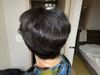
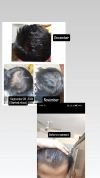
The user's experience of using Finasteride 5mg and Aldactone 50mg to treat Female Pattern Hair Loss, as well as their use of PRP injections for further hair growth.
Hair loss treatments like finasteride, minoxidil, ketoconazole, PRP, and microneedling helped maintain hair for 20 years. Research and try evidence-based treatments for best results.
Treatments for hair loss, including topical immunotherapy, regenerative treatments, laser and light-based therapies, oral supplements, intralesional steroids, and new drugs like finasteride and minoxidil.
Exosomes are discussed as a new hair loss treatment, but skepticism is expressed about their effectiveness. Other treatments mentioned include Minoxidil, finasteride, and RU58841.
Hair loss impacts mental health, with treatments like Minoxidil, finasteride, and stem cell transplants discussed. There is hope for future breakthroughs, but current treatments are limited, and awareness is lacking.
A 22-year-old male has been experiencing widespread hair loss for over four years, including pain and significant shedding. Treatments tried include ketoconazole shampoo, fluocinonide topical solution, biotin, ACV, and dry shampoo, but none have been effective.
A user is seeking recommendations for a dermatologist in Houston specializing in alopecia areata for her daughter. A doctor actively researching alopecia areata in young people was suggested.
A user has been using dutasteride and oral minoxidil for hair loss with no change and is considering a hair transplant at age 22. Replies suggest that a transplant is possible if DHT blockers like finasteride are continued, and another user shared a positive personal experience with a transplant at age 20.
The conversation discusses hair loss treatments, focusing on insulin resistance, microneedling with topical melatonin, and stress reduction. Users express skepticism about the advice, preferring proven treatments like minoxidil and finasteride, while some mention alternative methods like dermal incisions and verteporfin for reducing fibrosis.
A 29-year-old male experienced significant hair regrowth over 8 months using a protocol of oral Minoxidil, Dutasteride, Pyrithione Zinc Shampoo, and peptides GHK-CU, BPC-157, and TB-500. The treatment led to improved scalp coverage, reduced hair loss, and thicker hair, although results may vary for others.
A 21-year-old shared their 6-month hair regrowth journey using daily finasteride tablets and once-daily topical minoxidil, noting significant improvement in hair thickness, especially at the corners, with minimal side effects. They also mentioned using minoxidil for beard growth with limited success and occasionally using a dermaroller.
The conversation discusses reducing hair fall by addressing dandruff with anti-dandruff shampoo, regular oiling, and stress management through meditation and yoga. Other users mention using ketoconazole, vitamin D, and finasteride, with some experiencing side effects.
PP405, a topical treatment, shows promise for hair growth by activating inactive follicles, with 66% of participants experiencing positive results. The treatment is well-tolerated and may proceed directly to Phase 3 trials, offering a potential alternative to minoxidil and finasteride.
Celebrities often use hairpieces, transplants, or medications like Minoxidil to maintain their hairlines. Hair transplants require ongoing medication, and opinions on their success vary.
Scientists have successfully grown functional hair follicles in the lab, marking a significant advancement in hair regeneration research. A user shared their personal experience with hair loss treatments, including Minoxidil and Finasteride, and plans to share a detailed protocol for hair restoration.
Low-dose dutasteride (0.1 mg) is effective for hair growth, potentially more so than finasteride, with fewer side effects. East Asians may respond well to these treatments due to hair characteristics.
A user experienced worsened hair condition after a PRP session and is considering stopping further sessions. They are using a Dermapen, electric massage, iron, saw palmetto, and plan to start minoxidil, but have had side effects with finasteride and are advised to consider dutasteride under medical supervision.
The conversation discusses treatments for androgenetic alopecia, focusing on evidence-based supplements to complement finasteride. Suggestions include oral minoxidil, saw palmetto, pumpkin seed oil, tocotrienols, and various other supplements, while emphasizing the importance of scientific backing and cautioning against saw palmetto if already using finasteride.
Testosterone can still cause hair loss even when DHT is blocked by dutasteride, especially if hair follicles are sensitive. Topical treatments like RU58841 or pyrilutamide may help, but their long-term effectiveness is uncertain compared to dutasteride.
The user is experiencing hair loss despite using finasteride and Rogaine, with conflicting diagnoses from different hospitals. One suggests no hair loss, while another recommends continuing medication; a suggestion to see a dermatologist for proper assessment is given.
The user experienced initial hair improvement with dutasteride and minoxidil but saw worsening at seven months, likely due to shedding. The consensus is to continue treatment, as shedding is common and improvement may take up to a year.
King Thutmose IV's hair retention is humorously speculated to be due to treatments like finasteride, minoxidil, or other unconventional methods. The discussion includes jokes about genetics, ancient practices, and modern hair loss solutions.
The user is experiencing hair regrowth and increased hair thickness after using supplements like biotin, zinc, selenium, and a complex with various natural ingredients, along with topical caffeine. They are considering using topical minoxidil and mesotherapy in the future.
Creatine may cause hair loss in some individuals, especially those on finasteride, despite no scientific link. Personal experiences suggest individual sensitivity to DHT could be a factor.
A 19-year-old experienced significant hair loss, improved with minoxidil, and is considering adding finasteride to his routine. He is concerned about future hair loss and potential side effects of finasteride.
A 25-year-old experiencing genetic hair loss used minoxidil, biotin, and cystine but stopped due to routine fatigue, leading to worsened hair loss and unwanted body hair growth. They are hesitant about finasteride due to potential side effects and are seeking advice on effective treatments.
Finasteride users may have an increased risk of depression, anxiety, and suicidal thoughts, though some attribute these issues to hair loss itself. The link between finasteride and mental health effects is debated, with varying user experiences.
PP405 may damage hair follicles if used long-term, suggesting cycling might be necessary. Combining it with finasteride could help maintain hair growth.
Reincarnation humorously suggested as a hair restoration method, with exaggerated and satirical discussions on finasteride use. The conversation includes jokes about side effects and the absurdity of extreme measures for hair loss.