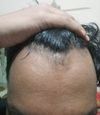
Female using Rogaine foam for hair loss had scalp punch biopsy, diagnosed with Androgenetic Alopecia (AGA). Doctor recommended starting Spironolactone 50mg.
User experienced scalp itching and hair loss, but found relief with oral minoxidil. Others suggest "DHT itch" as a possible cause and recommend finasteride and ketoconazole to address it.
Microneedling stimulates hair growth through stem cell activation during wound healing, not just increased blood flow. Other methods like showers or supplements don't replicate this effect.
The conversation discusses scalp issues and hair loss, with treatments like Accutane, Nizoral, and H&S being used. Suggestions include considering finasteride, minoxidil, and jojoba oil, with caution advised for the latter.
Nizoral 2% is popular for maintaining scalp health and reducing inflammation, though its effectiveness for hair loss is debated. Some users combine it with finasteride for better results, while others find it drying or ineffective.
A user experienced worsened haircondition after a PRP session and is considering stopping further sessions. They are using a Dermapen, electric massage, iron, saw palmetto, and plan to start minoxidil, but have had side effects with finasteride and are advised to consider dutasteride under medical supervision.
Scalp massages may improve hair growth, with noticeable results in a few months. The technique involves detaching the skin from the skull, similar to detumescence therapy, and may be combined with other treatments for better results.
The user experienced continued hair loss and scalp itch despite using finasteride and switching to dutasteride. They sought advice on managing these issues, with suggestions including adjusting medication frequency and trying different shampoos.
The user improved hair health using natural products and plans to start using minoxidil, finasteride, and derma stamping for further hairline improvement. They wash hair weekly with Sweet Ginger shampoo and use Bamboo Charcoal for deep cleansing, while conditioning twice a week.
The user experienced significant hair shedding and an itchy scalp after using a combination of Finasteride, Dutasteride, and Minoxidil. They are seeking advice on whether Dutasteride might be causing these issues and are considering adjusting their treatment regimen.
User considers scalp micropigmentation (SMP) for hair loss. Mixed opinions shared; some regret it, others satisfied. Choosing reputable clinic and technician is important.
User discusses tight scalp causing hair loss and suggests treatments like scalp massages, PRP, saw palmetto, and eucapil. They share their experience with saw palmetto and eucapil and consider adding PRP and scalp massages for better results.
A 58-year-old uses finasteride for hair loss and has tried various shampoos, finding Equate T-gel effective for controlling itching. Nizoral was previously effective but no longer works, and DermaKB hasn't been used long enough to assess its effectiveness.
Dutasteride and finasteride are not effectively stopping hair loss for some users, despite long-term use. Some are considering or using RU58841, pyrilutamide, and other treatments like microneedling, while also managing seborrheic dermatitis with diet and topical solutions.
Aloe vera gel can help reduce scalp inflammation and "DHT itch" associated with hair loss, particularly in those with androgenic alopecia and seborrheic dermatitis. It's suggested to use aloe vera alongside treatments like finasteride and ketoconazole shampoo to manage symptoms and promote scalp health.
A user named Mmherak is experiencing hair loss, with low B12 and iron deficiency, and has been recommended minoxidil and spironolactone by dermatologists. Other users suggest seborrheic dermatitis or dandruff, recommending treatments like Nizoral shampoo, ketoconazole, and Selsun Blue.
Scalp tension potentially affecting hair loss, and potential treatments for male pattern baldness such as Minoxidil, Finasteride and RU58841. Evidence from a study was discussed which suggests that the cause of MPB lies within the follicle itself and is not dependent on its surrounding environment.
A potential treatment for hair loss that involves injecting fat into the scalp; the role of testosterone and estrogen in thinning fat tissue under the skin; research on using lard to treat androgenic alopecia, as well as PRP + ACELL/amniotic stem cell treatments; and ongoing clinical trials by doctors involved in the study.
A user lost 60% hair density in 4 months, started finasteride and microneedling, and has greasy, flaky, yellowish scalp. They are awaiting biopsy results, and another user suggested trying ketoconazole shampoo.
A teenager experiencing hair loss is using minoxidil, a derma roller, and plans to add ketoconazole shampoo to their routine. They are advised to continue this regimen consistently for at least six months to see results, with the shedding being a normal part of the process.
A 19-year-old male shared progress pictures showing hair regrowth on his scalp after starting a treatment with Minoxidil and Finasteride on November 24th. He noted improved hair texture and a halt in hair shedding for the past two weeks.
The conversation discusses the user's observation of their hair appearing less bald after showering compared to when they wake up. They use a biotin and keratin conditioner and ketoconazole twice a week, while others suggest the difference in appearance could be due to oil build-up or the hair's response to water.
Quitting minoxidil can lead to significant hair loss, even in areas that were not thinning before, as hair becomes reliant on the treatment. Some users also report losing hair gains when stopping minoxidil despite taking finasteride.
Psoriasis shampoo with salicylic acid can improve scalp health and hair quality better than Nizoral. It helps create a cleaner environment for hair growth, especially when using treatments like finasteride.
The user experiences an itchy scalp despite using finasteride and ketoconazole shampoo for hair loss. Suggestions include trying different shampoos, switching to dutasteride, and using topical treatments for inflammation.
Shampoos can help with thinning hair by improving scalp health and reducing breakage, but they can't address genetic or hormonal causes. Effective treatments often include using topical minoxidil and finasteride, while the right shampoo varies per individual needs.
The user reported subtle hair regrowth by focusing on scalp health and lifestyle changes, using Nizoral shampoo and methods to reduce inflammation and cortisol, without using finasteride, minoxidil, or other common treatments. Opinions in the conversation varied, with some skeptical of the results and others acknowledging the potential benefits of addressing scalp health and inflammation.
The conversation humorously discusses hair loss treatments, mentioning scalp massage, minoxidil, and the ineffectiveness of devices like the "Gr0wBand." It highlights the role of androgens in hair loss and suggests that increased blood flow from massage may not significantly impact hair growth.
Hair fibers can effectively cover thinning hair when used with minoxidil and hairspray but require daily application and can be inconvenient in certain conditions. Some users prefer treatments like finasteride, dutasteride, microneedling, or wigs due to the maintenance and limitations of hair fibers.