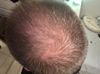
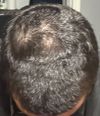
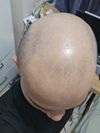
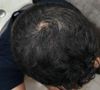
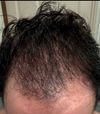
A 29-year-old considering hair loss treatment received advice to explore a theory on androgenic/anabolic balance and was encouraged to read a beginner's guide for better recovery chances. The user expressed gratitude and willingness to try the suggested approach.
The user has been on finasteride for 5 months and noticed their hair becoming wispy/frizzy, suspecting minoxidil might have also contributed to the change. They are distressed by the change in their hair's appearance.
A user shared a 10-month update on their hair transplant (HT), expressing significant confidence gain and recommending the procedure to others. They had the transplant in Turkey for $2300 and are very satisfied with the results.
The conversation is about skepticism towards a hair serum advertised on Instagram, with users doubting its effectiveness and one sharing a personal negative experience with the product.
A user who underwent a hair restoration procedure with 3,478 grafts by Jason Sorgi in Massachusetts, costing $8,500. The user is also using finasteride and minoxidil post-procedure, and is very satisfied with the natural-looking and dense results.
A 35-year-old has seen no hair regrowth after 9 months using treatments including finasteride, pyrilutamide, microneedling, ketoconazole shampoo, and topical dutasteride, but experienced side effects with RU58841. Commenters suggest starting minoxidil for better results and question why it wasn't included from the beginning.
A user noticed that after using finasteride and a regrowth spray, their new hair strands are all black, unlike their previously white hair. They are puzzled by this change and seek an explanation.
Finasteride use can lead to drier hair and scalp, increased dandruff, and changes in hair texture. Some users manage these effects with products like Nizoral and oils.
Breezula's phase 2 showed reduced efficacy after 6 months, but phase 3 had positive results, causing confusion about any changes made to the drug. There is frustration over the long timeline for hair loss treatments, with some users expressing more interest in other potential treatments like GT-20029.
The user has been treating hair loss for nine years using finasteride, oral minoxidil, and microneedling, with significant improvements in hair density and texture. They emphasize the importance of consistent treatment, physical health, and lifestyle changes in achieving these results.
The user is experiencing hair loss with symptoms of receding hairline, extreme shedding, and low density, possibly due to androgenic alopecia, diffuse thinning, retrograde alopecia, or telogen effluvium. They have used minoxidil and noticed changes in shedding patterns related to different water qualities and seborrheic dermatitis.
The user has been experiencing sudden and aggressive hair shedding despite using oral dutasteride and topical minoxidil for six years, and recently added topical finasteride without improvement. Possible causes discussed include stress-related hair loss, dietary changes, or high DHT sensitivity, with suggestions to consult a doctor and consider adjusting treatments.
Finasteride and dutasteride can show initial hair count increases within 12 weeks, but visible improvements often take longer, with many users reporting noticeable changes after a year or more. While early results may be seen under a microscope, significant cosmetic improvements typically require more time for hair to thicken and become visibly denser.
A 23-year-old is using 0.25mg Finasteride for hair loss and experiencing increased shedding after initial reduction. Advice given is to wait longer for results, as hair cycles take time to adjust, and consider increasing the dose if no improvement occurs in a few months.
The user is experiencing hair loss despite using 1 mg finasteride, 2.5 mg minoxidil, a multivitamin, and a topical finasteride-minoxidil solution. Suggestions include increasing minoxidil dosage, addressing vitamin deficiencies, especially Vitamin D, and considering lifestyle changes like diet and exercise.
The conversation discusses the use of topical finasteride and minoxidil for hair loss and inquires about the effectiveness of adding RU58841. Participants share experiences and opinions on the potential benefits of including RU58841 in their treatment regimen.
The user experienced hair loss diagnosed as chronic Telogen Effluvium and male pattern baldness, treated with finasteride and minoxidil, later switching to dutasteride due to side effects but with limited success. The user plans to return to finasteride due to side effects from dutasteride, while others suggest maintaining consistent treatment and considering additional options like oral minoxidil and lifestyle changes.
Low testosterone and estradiol may contribute to hair loss, and blocking DHT without sufficient hormone levels might hinder regrowth. The discussion highlights the importance of hormone balance, with some considering supplements and lifestyle changes to support hair health.
A 30-year-old male experienced hair shedding while using Minoxidil and Finasteride, with concerns about whether this is a normal shedding phase. Despite drastic hair loss, he continues the treatment, hoping for regrowth, and receives advice to maintain the regimen and consider lifestyle changes.
A 26-year-old male experienced hair regrowth using finasteride, minoxidil foam, and micro-needling over 2-3 months, with significant improvement in the crown, sides, and temples, but less in the hairline. He noted side effects like fluid retention in the ankles and weight gain but no change in libido.
The user switched from finasteride to dutasteride eight months ago due to worsening hair loss but continues to experience hair thinning and seeks advice on additional treatments. They are asking for suggestions on medications, topical therapies, lifestyle changes, or professional treatments.
The user experienced significant hair regrowth with topical finasteride, minoxidil, ketoconazole, and dermarolling, but later faced severe hair shedding after stopping dermarolling and reducing ketoconazole use. Suggestions included switching to oral treatments, resuming dermarolling, and considering lifestyle changes.
Folliculitis may be linked to hair loss, with treatments including antibiotics, minoxidil, finasteride, and dietary changes. Users suggest seeing a dermatologist for proper diagnosis and treatment.
A user is worried about hair loss despite using finasteride, oral minoxidil, and keto shampoo for two years and is considering switching to dutasteride. Responses suggest patience, lifestyle changes, or trying additional treatments like microneedling.
The user shared their experience with losing 80% of their hair due to alopecia and discussed using Minoxidil, Olumiant, derma rolling, and dietary changes as treatments. They provided an update on their progress with these methods.
A 21-year-old male is using finasteride, minoxidil, and had a hair transplant to address lifelong thin, diffuse hair loss. Progress pictures show changes over two months.
A 25-year-old discusses hair loss and its impact on confidence, considering treatments like finasteride and minoxidil. Recommendations include these medications and lifestyle changes to manage hair loss.
A 21-year-old male managed to control his hair loss using Nizoral, RU58841, and finasteride, but experienced increased scalp itchiness after starting creatine, which subsided upon stopping creatine. Users shared mixed experiences on whether creatine affects hair loss, with some reporting negative effects and others seeing no change or defending its benefits.
The importance of lighting when taking progress pictures and discussing hair growth, as dramatic changes can be seen even without real improvements. The users also discussed methods such as Fin min and dermarolling for treating hair loss.